


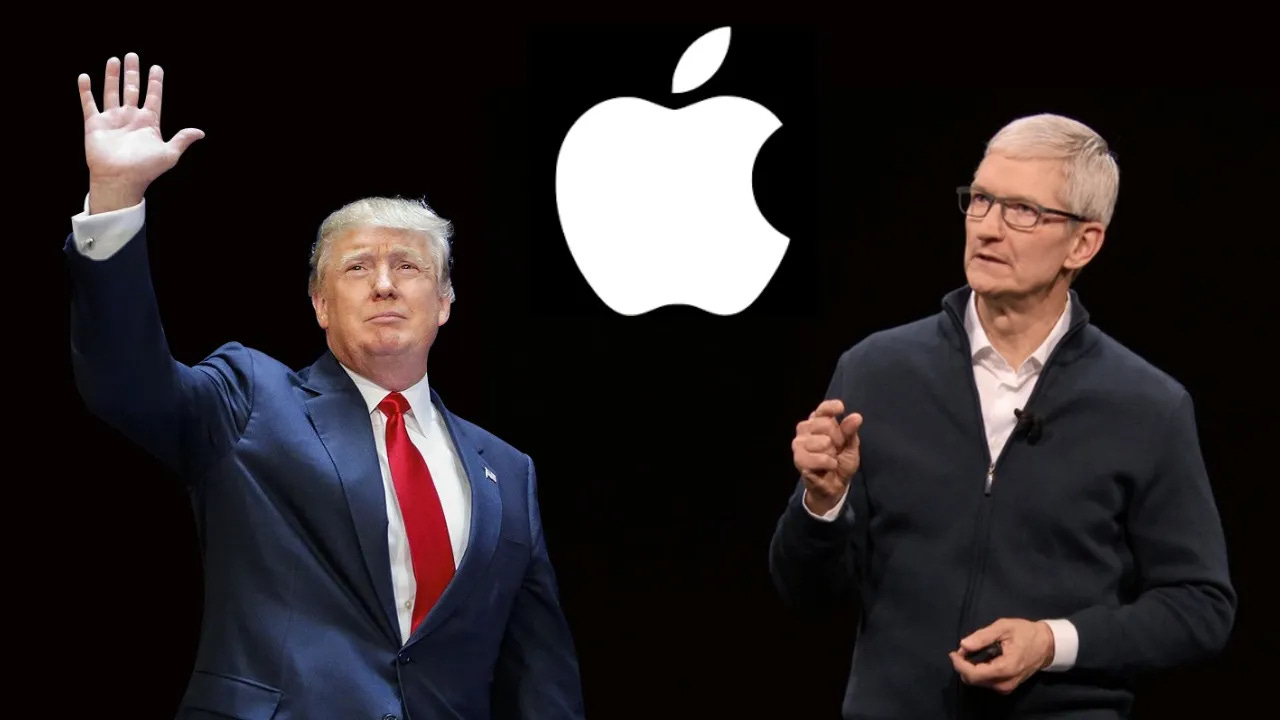
If you thought Apple was about to toss China’s factories out like last year’s iPhone case, think again. On August 6th, Apple CEO Tim Cook and President Donald Trump strutted into the White House with a headline-grabbing $100 billion investment pledge to boost Apple’s American supply chain. This move, part of a broader $500 billion plan announced earlier this year, aims to reposition critical parts of Apple’s manufacturing puzzle back on U.S. soil.
But before you start dreaming of entirely “Made in USA” iPhones, here’s the cold splash of reality: The final assembly of your beloved iPhones, iPads, and MacBooks will still be happening mostly overseas—mainly in China and India.
That said, this announcement isn’t just for show. Apple is ramping up domestic production on high-value components like glass covers, server hardware, and semiconductors. For example, Corning’s Kentucky plant will now dedicate itself fully to making the glass covers for iPhones and Apple Watches worldwide. This isn’t your run-of-the-mill factory tweak; it’s a $2.5 billion commitment to build what Trump hyped as the “largest and most sophisticated smart glass production line in the world.” It’s a serious bet on American manufacturing muscle.
The timing is no accident. With fresh tariffs on foreign chips and semiconductors looming—some already in place since April and set to escalate on Thursday—Apple’s pivot is a strategic shield. A threatened 100% tariff on imported chips would be a wrecking ball for any tech giant still relying heavily on foreign suppliers. Cook made it clear that Apple’s factories across 12 states will churn out more than 19 billion chips this year alone, emphasizing a rare end-to-end U.S. silicon supply chain from design to packaging.
The Morning Sixpack - August 7, 2025

Apple Drops $100 Billion to Bring Manufacturing Back to the U.S.
And it’s not just chips and glass. Apple’s set to open a sprawling 250,000-square-foot server manufacturing hub in Houston, along with new data centers spanning North Carolina to Oregon. Plus, a manufacturing academy in Detroit aims to train the next generation of workers who’ll keep Apple humming on home turf.
Rare earth materials? Apple’s tapping into MP Materials, a U.S.-based supplier critical for all those tiny electronics that power our devices.
Financially, Apple isn’t immune to tariffs either. They coughed up $800 million last quarter and expect another $1.5 billion in the next three months. That’s a pricey reminder of the tangled global trade web. The U.S. is still negotiating with China and has slapped them with a 30% tariff; India faces a brutal 50% duty on these goods.
No wonder Cook and Trump are playing this reshoring game with so much fanfare. Real money is on the line and Trump is playing hardball.
But let’s not pretend this is a simple win for America First. Apple’s massive $3.17 trillion market cap puts it third behind Nvidia and Microsoft, and its manufacturing spread is global by necessity. Trump, who famously demanded in May that iPhones sold in the U.S. be made here—not in India or elsewhere—had to backpedal somewhat during the announcement, admitting the full transition will take time, and many plants are still “under construction or soon starting construction.” He hopes to see an “explosion” in American manufacturing within a couple of years, but for now, this looks more like a strategic dance than a factory floor revolution.
So what’s the big picture? This isn’t just about Apple or Trump’s optics. The push for more local production is a direct response to volatile global trade politics, supply chain disruptions, and national security concerns around critical tech components. The partnership with major suppliers like Samsung, Broadcom, and Texas Instruments underlines the ambition: Build a resilient, less China-dependent supply chain in the world’s largest tech market.
Extra context:
Apple’s move dovetails with a broader industry trend: several tech giants are diversifying supply chains to hedge against tariffs, geopolitical risks, and pandemic-induced shocks. But the reality of electronics manufacturing is brutal—costs, labor availability, and logistics make full reshoring a monumental challenge. Also, Cook’s nod to the U.S. military veteran who designed the commemorative glass piece subtly underlines Apple’s effort to tie this investment to American values and workforce pride.
Apple shares clearly liked the news, jumping over 5% in a single day—their biggest gain this year—showing investors hope this reshoring effort will pay off in smoother production and fewer tariff headaches.
In short: Apple’s $100 billion U.S. investment is a big deal, but it’s far from a magical switch flipping all iPhones to “Made in America.” It’s a savvy, calculated response to tariff threats and supply chain chaos—not a full-on factory exodus from Asia. For now, expect a slow burn, lots of PR sparkle, and a cautious optimism about what this means for American manufacturing jobs and tech sovereignty.
Source: UPI - Tim Cook, Trump announce $100 billion investment in U.S. manufacturing