

Don Lemon Arrested After Church Protest Video—A First Amendment Fight Heads to Court
Federal agents arrested Don Lemon over footage he recorded inside a Minnesota church, setting up a direct clash between protest law enforcement and press freedom.
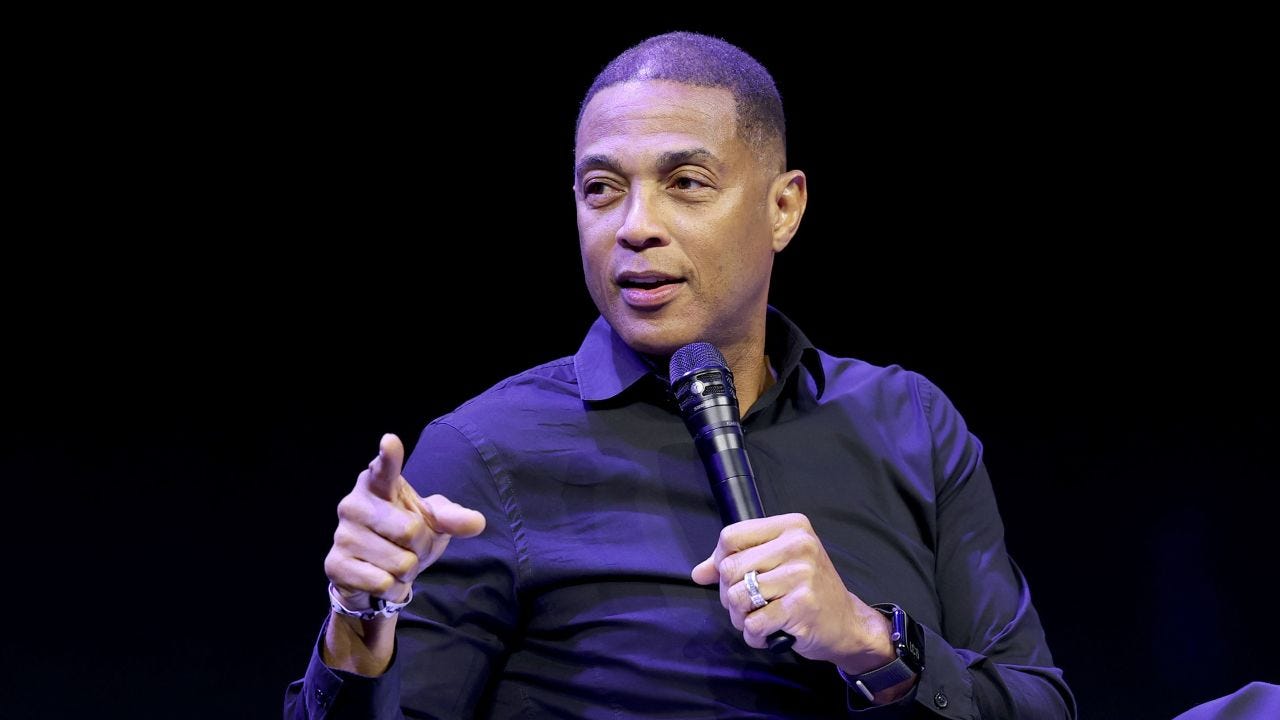
Former CNN host Don Lemon was taken into custody Thursday night in Los Angeles while covering the Grammys, according to his attorney. The arrest stems from a January incident at Cities Church in St Paul, where Lemon entered with protesters who alleged one pastor was tied to Immigration and Customs Enforcement.
Lemon’s lawyer, Abbe Lowell, says this is about journalism—not disruption—arguing Lemon was doing what he’s done for three decades. In Lemon’s own words: “Once the protest started in the church, we did an act of journalism, which was report on it.” Lowell went further, calling the case “an unprecedented attack on the First Amendment.”
The legal backstory matters. The Trump administration initially sought charges against eight people under a law protecting worship spaces, but a magistrate approved charges against only three—excluding Lemon. Prosecutors appealed and lost again. Now, despite those setbacks, the government has pushed forward.
Officials aren’t hiding their posture. Attorney General Pam Bondi previously called the scene “horrific,” while DOJ Civil Rights head Harmeet Dhillon said on a podcast with Megyn Kelly, “We’re going to pursue this to the ends of the Earth.” Meanwhile, unrest tied to federal immigration operations in Minnesota has already turned deadly.
Reaction from journalists was swift. Former CNN colleague Jim Acosta wrote, “This is outrageous and cannot stand. The First Amendment is under attack in America!” That’s the real trial here—whether recording a protest in progress is treated as reporting or as a crime.
Source: BBC News
Editor: If filming a protest becomes prosecutable while courts already said “no,” the message to reporters is clear: tread lightly—or else. That’s not public safety; that’s fascism.
Shutdown Clock Ticks Louder as Senate Snags Threaten Federal Funding Deal
Washington is once again flirting with a government shutdown, and this time it’s the Senate that hit the brakes.
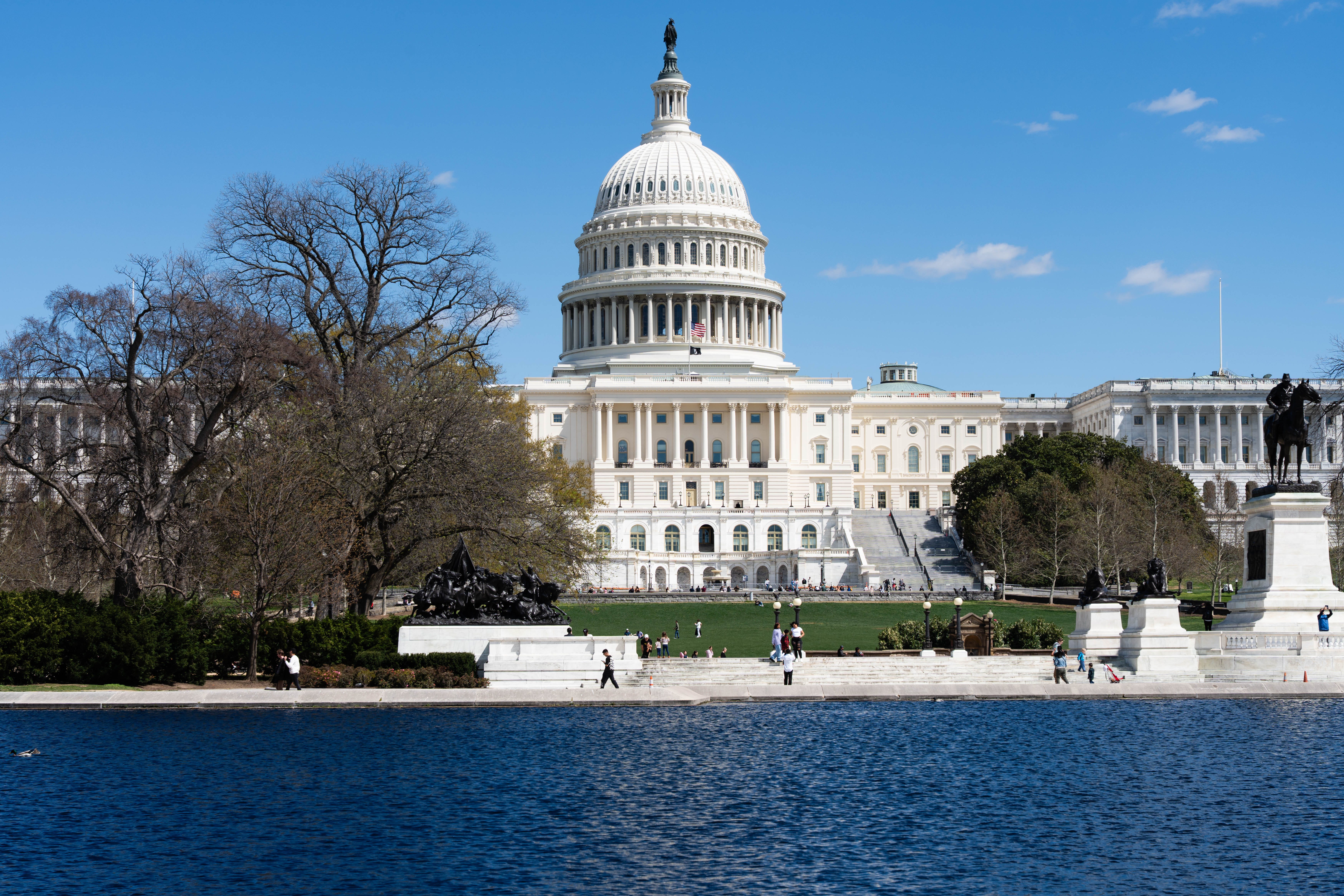
The odds of a partial shutdown rose after a bipartisan funding deal—blessed by Senate Democrats and Donald Trump—stalled late Thursday night. The agreement was designed to keep most of the government running while lawmakers keep fighting over immigration enforcement limits. Instead, objections cropped up, time ran out, and the clock started screaming.
Funding expires at midnight, and even if the United States Senate manages to move the bill, the Republican-controlled House isn’t even in town. Speaker Mike Johnson admitted it would be tough to haul lawmakers back to Washington before the deadline—never a comforting phrase when the lights are about to go out.
The deal would split funding for Department of Homeland Security from the broader package, letting agencies like the Pentagon and Labor Department stay open while immigration rules are debated. Democrats, furious after a second U.S. citizen was executed by “immigration agents” in Minneapolis, are pushing for tighter controls, including body cameras, mask bans, and judicial warrant requirements.
Any shutdown could be short, but the stakes are real. Lawmakers are trying—again—to avoid a repeat of last fall’s 43-day shutdown that drained an estimated $11 billion from the economy. Whether cooler heads prevail before midnight is the only question that matters now.
Source: Reuters
Editor: Nothing says “functional government” like a funding deal everyone agrees on—until they don’t, and then go home for the week.
Trump Picks Kevin Warsh to Run the Fed—And That’s a Direct Message to Markets
Donald Trump just made his most consequential economic power move of his term, and Wall Street heard it loud and clear.
President Donald Trump announced he will nominate former Fed governor Kevin Warsh to chair the Federal Reserve, replacing Jerome Powell when his term ends in May. Trump praised Warsh as “central casting” and made clear this time he’s picking someone aligned with his long-running frustration over interest rates.
Warsh served on the Fed’s board from 2006 to 2011, helping steer crisis-era rescues during the financial meltdown. He later became one of the central bank’s sharpest critics, warning for years that easy money would fuel inflation—earning him a reputation as a hawk before recently calling for faster rate cuts as growth slows.
The nomination matters because the Fed isn’t unified. Inflation remains above its 2% target, rates are holding at 3.5%-3.75%, and Trump has openly demanded they fall to 1% or lower. He has also made it explicit that dissent won’t be tolerated again, writing in December: “Anybody that disagrees with me will never be the Fed Chairman!”
Warsh now faces Senate confirmation, complicated by a Justice Department probe into the Fed itself. Still, Republicans like Sen. Thom Tillis have already labeled him qualified, even as Democrats prepare to probe how independent a Trump-aligned Fed chair would really be.
If confirmed, Warsh has promised a clean break from recent Fed doctrine—rethinking asset holdings, policy frameworks, and even the Fed’s relationship with the White House.
Source: The Wall Street Journal
Editor: Trump isn’t just picking a Fed chair—he’s installing a pressure point. Markets may like clarity, but they’re about to find out what happens when “independence” comes with an expiration date.
But being as objective as possible, I conclude Warsh will be confirmed and the Fed will (mostly) operate as it always has. We shall see.
Towns Slam the Brakes on ICE Expansion as Local Backlash Spreads
Local governments are flat-out blocking the Trump administration’s push to massively expand ICE detention capacity—and they’re winning.
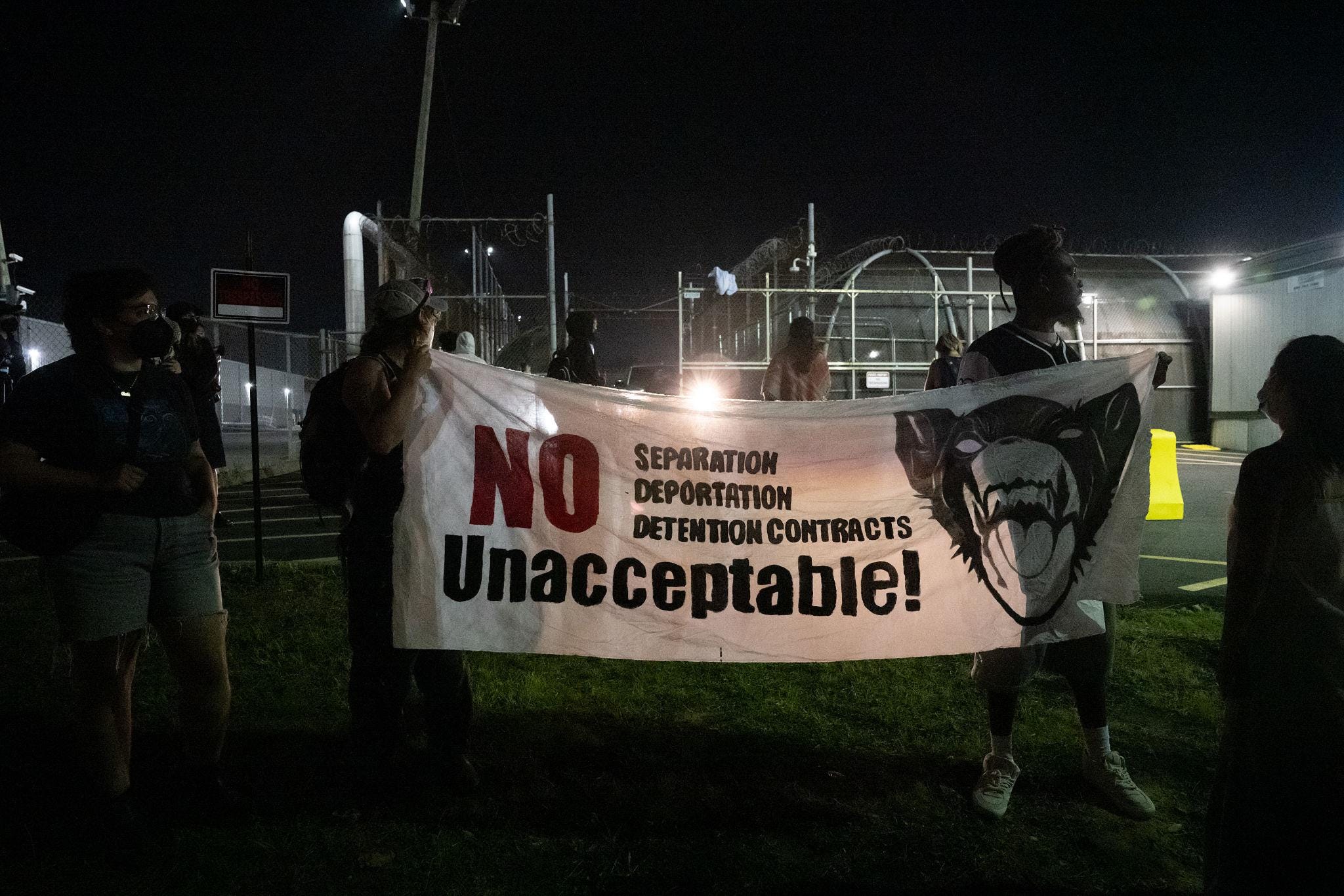
Communities across the country are pushing back against plans by Immigration and Customs Enforcement to convert warehouses into migrant detention centers, an effort that would add up to 80,000 new beds nationwide. According to reporting cited by RawStory, at least one town successfully stopped a 26-acre warehouse from becoming a migrant processing center after residents erupted in opposition.
In Oklahoma City, backlash moved fast. Mayor David Holt announced the property owner scrapped talks with Department of Homeland Security entirely. “They were no longer engaged with DHS about a potential acquisition or lease,” Holt said, thanking the owners and urging others to follow suit.
The resistance didn’t stop there. In Kansas City, officials moved the same day ICE plans surfaced, passing a five-year ban on all new non-municipal detention facilities. Mayor Quinton Lucas questioned whether the proposed 7,500-bed warehouse detention site would even be humane—a question ICE seems uninterested in answering.
DHS officials dismissed the pushback. Assistant Secretary Tricia McLaughlin said ICE expanding detention space “should not come as news,” even as protests erupted in places like Texas, where detainees from Minnesota are now being held at the South Texas Family Residential Center in Dilley.
The message from local governments is unmistakable: immigration enforcement doesn’t get a free pass when it collides with zoning laws, community pressure, and elected officials who aren’t interested in turning their towns into detention hubs.
Source: RawStory
Editor: ICE can draw up all the warehouse blueprints it wants, but this is what federal overreach looks like when it runs headfirst into local power—and loses.
PREDICTION: The Trump Regime “repurposes” National Parks and other federal land into tent cities.
Anti-ICE Protests Go National as Activists Call for Friday “Blackout” Strike
A nationwide shutdown is being organized to hit the Trump administration where it hurts—work, commerce, and political pressure.
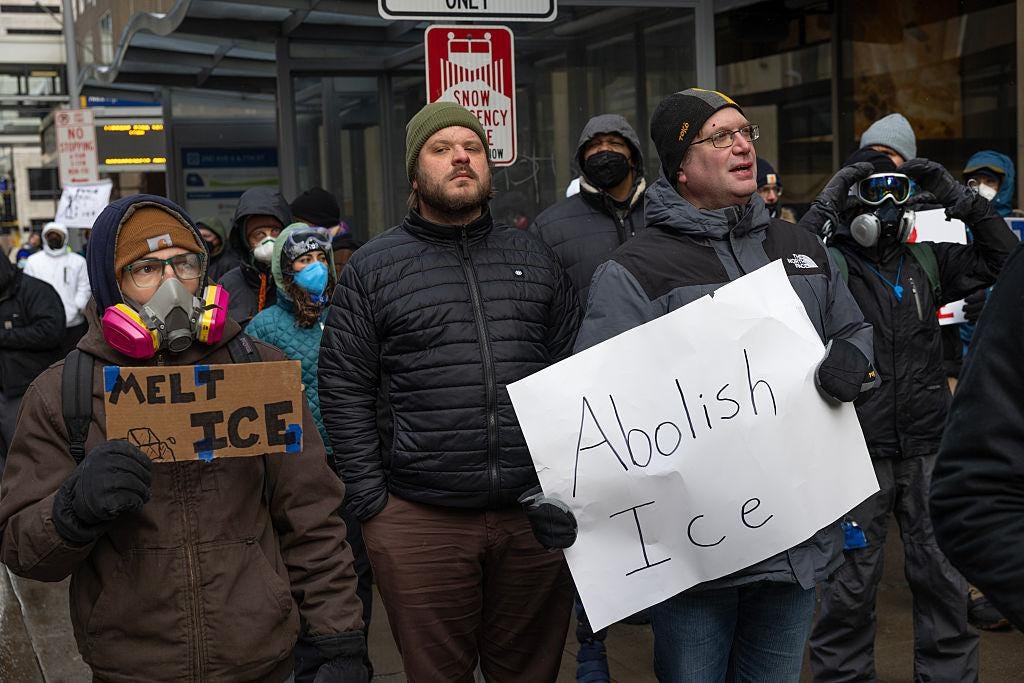
Activists are calling for a Friday “blackout” featuring no work, no school, and no shopping, as protests against Immigration and Customs Enforcement expand across the country. Organizers describe the action as a nonviolent national strike aimed at confronting what they call a violent and unchecked immigration crackdown under Donald Trump.
The push is being driven largely by student organizers in Minneapolis and St Paul, where recent ICE operations have turned deadly. Protest leaders cite the murders of Renee Good and Alex Pretti in Minnesota, along with other DHS murders in Los Angeles and Illinois, as the catalyst for escalating the movement nationwide.
Businesses in dozens of cities—from restaurants and bookstores to coffee shops—have announced closures in solidarity. Demonstrations are planned at city halls, courthouses, and statehouses in places including Philadelphia, New York, Boise, Columbus, Milwaukee, and Washington, DC. Students across multiple states are staging walkouts, while boycotts of Target have intensified following ICE detentions involving store employees in Minnesota.
Organizers say the goal is economic pressure and political visibility. “We want to obstruct the pillars that are upholding the Trump administration,” said Gloriann Sahay of the activist group 50501. High-profile supporters including Ariana Grande, Macklemore, and Pedro Pascal have amplified the call online.
The timing is deliberate. The protests land as Congress stares down a possible government shutdown, with Democrats signaling they may block any spending bill that includes full funding for the Department of Homeland Security without new limits on ICE—turning street protests into legislative leverage.
Source: The Guardian
Editor: When students, shop owners, unions, and celebrities all pull the same economic brake at once, it’s no longer “activism”—it’s a stress test for power.
I am modifying the strike a little: I will ONLY SHOP at Mexican-owned businesses today :)
Trump Tells Britain China Is “Very Dangerous” as London Pushes Reset with Beijing
Donald Trump just drew a bright red line for the U.K.—do business with China, and do it at your own risk.
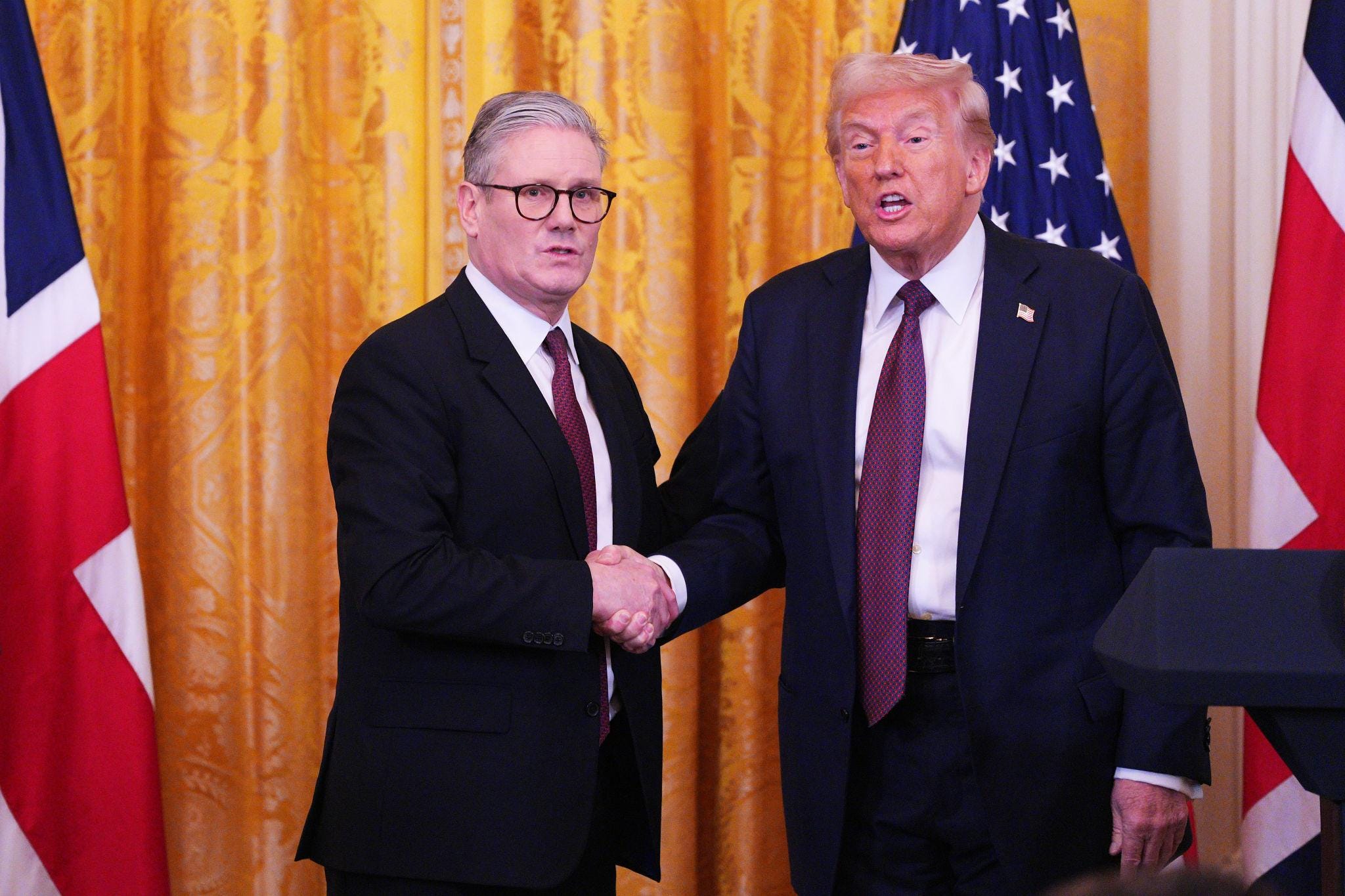
The warning came as London and Beijing announced fresh steps to thaw relations, including visa-free travel for British citizens to China and a sharp cut to Chinese whisky tariffs. The timing was no accident. Trump, who has made economic decoupling from China a centerpiece of his foreign policy, reportedly told British officials it would be “very dangerous” for the U.K. to deepen commercial ties with Beijing.
China, for its part, is rolling out the welcome mat. After a high-profile meeting between Xi Jinping and Keir Starmer, the two sides signaled interest in a long-term strategic partnership. That reset comes after years of diplomatic frost driven by security concerns, trade disputes, and human rights tensions.
Money is already moving. AstraZeneca plans to invest $15 billion in China through 2030, underscoring why British leaders see engagement—not isolation—as unavoidable. Ahead of his Beijing trip, Starmer insisted Britain would not have to choose between Washington and Beijing.
Trump clearly disagrees. The president has repeatedly framed China as both an economic and national security threat, and his message to London suggests allies won’t get a free pass if they drift too close. For the White House, this isn’t just trade—it’s loyalty.
The result is a familiar squeeze. Britain wants Chinese growth, American security guarantees, and the freedom to say it can have both. Washington is signaling that era may be over.
Source: MSN
Editor: “You don’t have to choose” sounds great until the world’s biggest economy tells you that, actually, you do—and it’s watching closely.