


El Mencho Is Dead—And Mexico’s Cartel War Just Entered Its Next Phase
Mexico’s most wanted drug lord is dead, and the fallout is already spilling into the streets.
The Mexican military killed Nemesio Oseguera Cervantes, better known as El Mencho, boss of the Jalisco New Generation Cartel, during an operation in Tapalpa—with reported U.S. intelligence support, according to Reuters. For years, he was the face of Mexico’s most aggressive cartel expansion. Now he’s gone, and the power vacuum is real.
Within hours, cartel-linked crews reportedly answered with narco-blockades across multiple states—burning vehicles, shutting highways, attacking businesses. This isn’t abstract geopolitics. It’s commuters stuck on overpasses, kids sent home from school, deliveries halted, ambulances rerouted. Retaliation in Mexico tends to hit civilians first and hardest.
The disruption quickly brushed tourist corridors. In and around Puerto Vallarta, visitors were urged to shelter as roadblocks and clashes flared near transit routes. Even when tourists aren’t targets, mobility becomes the casualty—flights delayed, highways closed, plans scrapped. Vacation mode ends fast when the roads are on fire.
Officials moved quickly. Canada’s travel advisory flagged violent incidents and burning roadblocks, with specific concern in Jalisco, including Guadalajara and Puerto Vallarta. The U.S. Embassy issued a security alert tied to ongoing operations. Translation: if you’re on the ground—or heading there—check updates constantly and rethink long drives, especially at night.
And then there’s the deeper layer. Cartel dominance isn’t only measured in gunfights; it’s also enforced through extortion—cobro de piso—that drains small businesses and warps daily life. Killing a kingpin can fracture a cartel, but it can also spark succession fights, splinter groups, and roaming violence that relocates rather than disappears. The next 72 hours will tell us whether this was a decisive blow—or the opening bell of another round.
Source: Reuters
Editor: Decapitating a cartel makes for a powerful headline. It does not magically erase the ecosystem that allowed it to thrive. If anything, history says the scramble for the throne can be even messier than the reign. Buckle up.
FBI Director Kash Patel Pops Champagne With Team USA After Olympic Gold—And Sparks Another Travel Fight
FBI Director Kash Patel celebrated Team USA’s Olympic hockey gold in the locker room—then reignited questions about taxpayer-funded travel.
Patel showed up at the men’s gold medal game at the Milan Cortina Olympics in Italy and later posted locker room photos with players from Team USA, including Jack Hughes, who scored the overtime winner. In one shot, Patel stands with Hughes and three other players. In another, he’s next to a champagne-soaked coach Mike Sullivan as the team celebrates in the background.
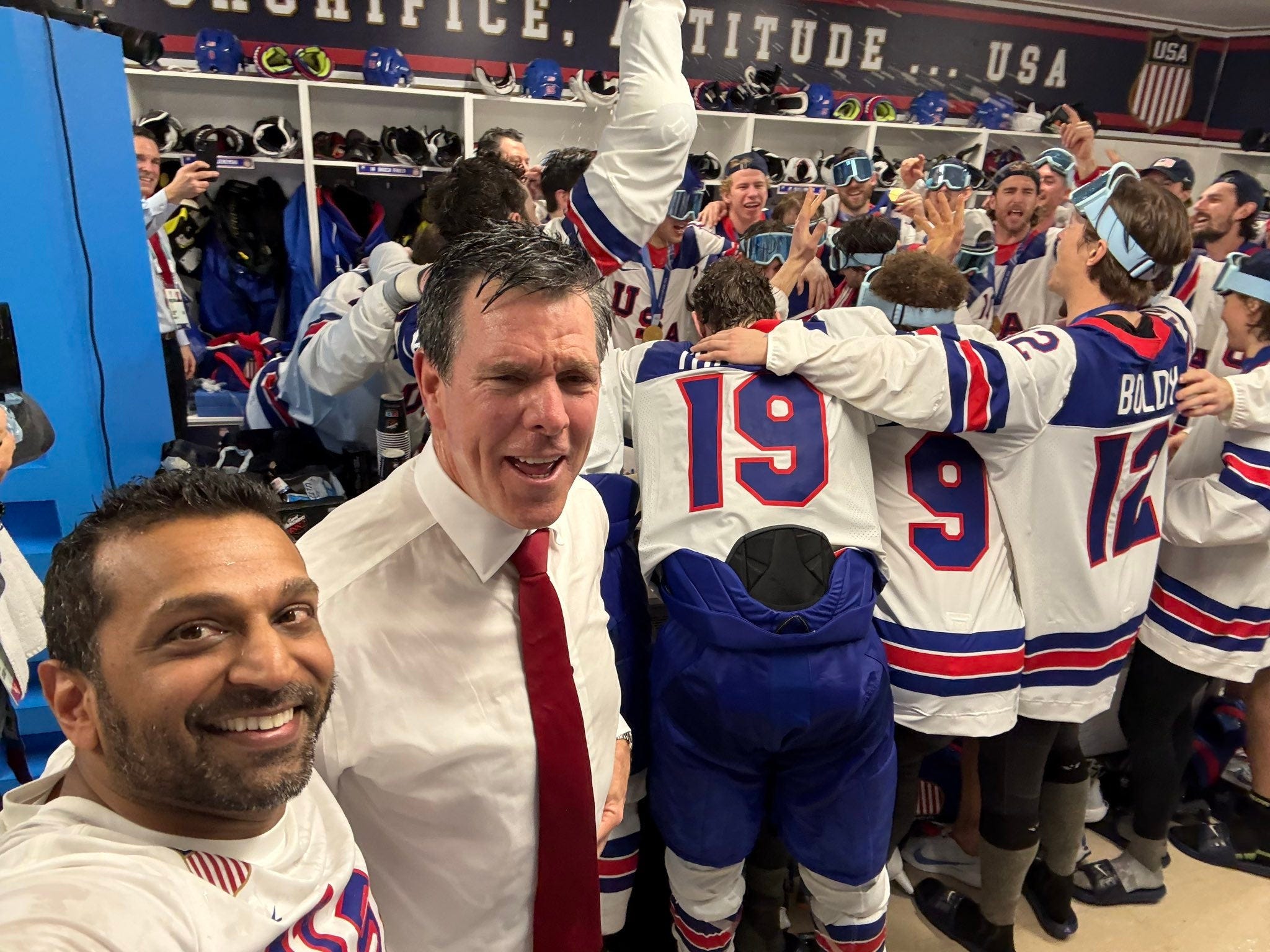
Patel posted the images to his personal X account and re-shared them on the official FBI account, writing: “Unity, Sacrifice, Attitude- what it takes to be the best in the world. These men live and breathe it. Now Team USA are gold medal champions, legends standing on the shoulders of giants. Thank you for representing the greatest country on earth, in the greatest game ever created.”
The appearance raised eyebrows because Patel’s boss, Donald Trump, is known for high-profile sports drop-ins—Super Bowls, UFC fights, golf tournaments. But critics argue the FBI director’s presence courts its own controversy. After CBS noted the timing of Patel’s Italy trip coincided with the gold medal game, FBI spokesperson Ben Williamson pushed back, saying the bureau has a “major role” in Olympic security and that the visit was planned months ago. “No, it’s not a personal trip,” Williamson wrote, citing meetings with Italian law enforcement, embassy officials, and FBI staff.
This isn’t the first time Patel’s travel has drawn scrutiny. Congressional Democrats previously questioned his use of government aircraft for sports-related appearances, including wrestling and MMA events. Cory Booker amplified criticism over the Milan stop, writing on X: “While Americans are facing rising costs. Trump, Kash Patel, and others are using our taxpayer dollars to fund their lavish lifestyle.”
Supporters see a director backing Team USA on the world stage while conducting official business. Critics see optics that keep getting worse. Either way, Patel managed to turn a hockey victory lap into another Washington fight.
Source: Deadline
Editor: If you’re the FBI director and you keep popping up rink-side, cage-side, or ring-side, eventually people are going to ask whether it’s national security—or season tickets with a badge. The optics matter. And right now, they’re doing Patel no favors.
BAFTA Chaos: Tourette Activist’s N-Word Outburst Forces BBC Re-Edit After Jamie Foxx, Wendell Pierce Speak Out
An awards-night celebration turned into damage control after a Tourette activist shouted a racial slur during the Baftas broadcast.
The fallout is still building after Tourette syndrome activist John Davidson was heard shouting multiple times during Sunday’s BAFTA Film Awards, including using the N-word while Delroy Lindo and Michael B. Jordan presented the first prize of the night. Davidson attended because I Swear, a film inspired by his life with Tourette syndrome, was nominated.

Reaction from Black actors and commentators was swift. Jamie Foxx wrote “Unacceptable” and “Nah he meant that shit” in response to a social media post about the moment. Wendell Pierce said, “It’s infuriating that the first reaction wasn’t complete and full throatted apologies to Delroy Lindo and Michael B Jordan. The insult to them takes priority. It doesn’t matter the reasoning for the racist slur.” Journalist Jemele Hill added that Black people are too often expected to absorb disrespect so others “don’t feel bad.”
Host Alan Cumming addressed the audience twice, explaining: “Tourette syndrome is a disability, and the tics you’ve heard tonight are involuntary, which means the person who has Tourette syndrome has no control over their language. We apologise if you are offended tonight.” That phrasing—“if you are offended”—drew its own backlash, including from Sinners production designer Hannah Beachler, who said she was also targeted and criticized what she called the “throwaway” apology.
The BBC later issued a formal statement: “Some viewers may have heard strong and offensive language during the Bafta film awards 2026. This arose from involuntary verbal tics associated with Tourette syndrome, and was not intentional. We apologise for any offence caused by the language heard.” The broadcaster ultimately pulled the ceremony from iPlayer for re-editing.
Tourette syndrome is a neurological disorder characterized by motor and vocal tics. A minority—roughly 10–20%—experience coprolalia, involving involuntary swearing. That medical context explains the mechanism. It doesn’t settle the emotional impact. The Baftas wanted a night about film. Instead, they got a case study in intent versus harm—and how institutions respond when the two collide live on air.
Source: The Guardian
Editor: Intent matters. Impact matters more. And when your apology sounds like it was drafted by a risk-averse lawyer at 2 a.m., you’ve already lost the room.
Judge Cannon Blocks Jack Smith’s Trump Documents Report—Permanently
A federal judge just shut the door—permanently—on the public release of special counsel Jack Smith’s report on Donald Trump’s classified documents case.
In a ruling Monday, U.S. District Judge Aileen Cannon barred the Justice Department from releasing the report detailing special counsel Jack Smith’s investigation into Donald Trump’s retention of classified documents at his Mar-a-Lago estate. Cannon, nominated by Trump, called releasing the report a “manifest injustice.”
Smith’s two-volume report covered both the Mar-a-Lago documents case and Trump’s efforts to overturn the 2020 election after losing to Joe Biden. Both probes led to indictments—but after Trump’s November 2024 election victory, Smith dropped the cases, citing long-standing Justice Department policy that a sitting president cannot be federally prosecuted.
Cannon had already dismissed the classified documents case in 2024, ruling that Smith was unlawfully appointed. In Monday’s order, she emphasized that because the charges were dismissed and never adjudicated, Trump and his co-defendants “still enjoy the presumption of innocence held sacrosanct in our constitutional order.”
She also noted that while special counsels have historically released reports at the end of investigations, those disclosures typically followed either decisions not to charge or convictions secured by plea or trial. “The Court strains to find a situation in which a former special counsel has released a report after initiating criminal charges that did not result in a finding of guilt,” Cannon wrote.
The practical effect: the public won’t see the roadmap of evidence Smith compiled—at least not now. For critics, that’s transparency denied. For Trump’s allies, it’s due process protected. Either way, one of the most politically explosive investigations in recent memory just got sealed away.
Source: AP News
Editor: If sunlight is the best disinfectant, someone just pulled the curtains shut. The legal argument may hinge on precedent—but the political impact hinges on what voters don’t get to read. Is there any chance a FOIA request could be made?
The Atlantic: “The Republican Party Has a Nazi Problem”—And It’s Not Subtle
A prominent conservative writer just argued that Nazi rhetoric and imagery aren’t fringe in today’s GOP—they’re becoming structural.
In the April 2026 issue of The Atlantic, columnist Tom Nichols delivers a blunt thesis: “The Republicans have a Nazi problem.” His argument isn’t about policy disputes or partisan spin. It’s about imagery, language, and a tolerance—sometimes an embrace—of themes associated with the Third Reich creeping into mainstream Republican politics.
Nichols opens with Greg Bovino, describing the Border Patrol chief appearing in a greatcoat that evoked 1930s German military aesthetics during enforcement actions in major U.S. cities. From there, he points to incidents involving party-affiliated groups, rhetoric that echoes nationalist slogans, and what he characterizes as a pattern of leaders either shrugging or sidestepping condemnations of extremist symbolism.
Unsurprisingly, Donald Trump looms large in the essay. Nichols revisits Trump’s past comments about loyalty, his posture toward authoritarian imagery, and his decision to pardon January 6 participants at the start of his second term. The through-line: what was once denounced at the party’s edges now draws muted responses—or none at all.
Nichols frames this as a long arc, tracing the GOP’s evolution from the Reagan coalition to populist insurgencies, from Pat Buchanan’s culture-war politics to the Tea Party’s rise, arguing that years of racial and nationalist dog-whistling created space for more explicit extremism. He stops short of saying conservatism itself equals fascism—but insists the current party structure has become hospitable to people who flirt with it.
The conclusion is less academic and more urgent. Nichols calls for public shaming, electoral consequences, and plain language—urging Americans to label “Nazi-like behavior” directly rather than soft-pedaling it as merely “extreme.” His warning: if a major party tolerates these signals, the problem extends beyond that party.
Source: The Atlantic
Editor: When a lifelong conservative says his own party has drifted into Third Reich cosplay, that’s not a liberal fever dream—that’s a five-alarm warning from inside the house. The question isn’t whether Democrats agree. It’s whether Republicans even care.
Trump Reverses TSA PreCheck Shutdown After Backlash—But Global Entry Still Frozen
After overnight outrage, the Trump administration abruptly reversed plans to suspend TSA PreCheck during a partial Homeland Security shutdown.
The Transportation Security Administration said Sunday morning that PreCheck “remains operational with no change for the traveling public,” though it warned adjustments could come if staffing constraints worsen. Courtesy escorts—including those for members of Congress—have been suspended so officers can focus on core screening duties.
The reversal followed reports that the Department of Homeland Security planned to close PreCheck lanes, halt U.S. Customs and Border Protection Global Entry processing, and pause non-disaster-related Federal Emergency Management Agency response efforts during the funding fight in Congress. According to The Washington Post, a DHS official said the change came after conversations between Kristi Noem, the White House, and TSA leadership.
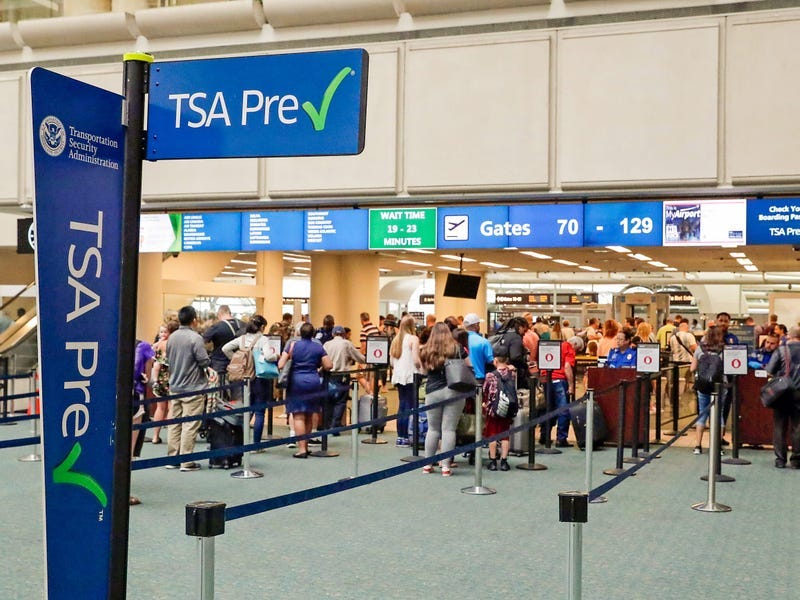
PreCheck’s survival doesn’t mean normalcy. The Global Entry suspension remains in place, and FEMA restrictions are still active—even as a major snowstorm hits the East Coast. Critics argue the programs ease strain on airport security and DHS personnel, particularly during shutdowns when employees work without pay.
Bennie Thompson, the top Democrat on the House Homeland Security Committee, blasted the initial move as political gamesmanship, saying PreCheck and Global Entry “reduce airport lines and ease the burden on DHS staff.” Senate Minority Leader Chuck Schumer accused the administration of “choosing to inflict pain on the public” rather than negotiate reforms to immigration enforcement agencies.
Noem defended the broader cuts before the reversal, warning that shutdowns “endanger our national security” and blaming Democrats for forcing “tough but necessary workforce and resource decisions.” The White House framed the dispute as a funding standoff; Democrats tied it to demands for oversight after alleged civil rights violations involving immigration agents.
So yes, you can keep your shoes on in the PreCheck lane—for now. But expedited entry back into the country is still on ice, FEMA’s broader operations are constrained, and the funding fight that triggered this whiplash isn’t over.
Source: Raw Story
Editor: Nothing says “steady governance” like announcing airport chaos on Saturday night and walking it back by Sunday morning. Travelers get uncertainty. Lawmakers get talking points. And DHS employees? They get stuck in the middle—again.
BONUS
CEOs Eye Billions in Tariff Refunds After Supreme Court Blow to Trump
The Supreme Court just upended Trump-era tariffs—and now CEOs must decide whether chasing billions in refunds is worth crossing the president.
After last week’s high court ruling canceling a swath of tariffs imposed by Donald Trump, corporate America faces a high-stakes calculation: push for repayment of duties already paid, or stay quiet and avoid provoking a White House that’s already signaling it’s not done with trade wars.
Major business groups immediately called for refunds that could total billions of dollars. But the Supreme Court of the United States offered no guidance on whether companies are entitled to claw back the money. Trump, for his part, has suggested any refund fight could be tied up in litigation for years.
Executives are now gaming out not just the legal landscape but the political one. Trump has already announced a blanket 15% global tariff under a different statutory authority, a reminder that even if one trade lever snaps, another can be pulled. For multinational firms reliant on stable supply chains, antagonizing the administration could carry consequences beyond the courtroom.
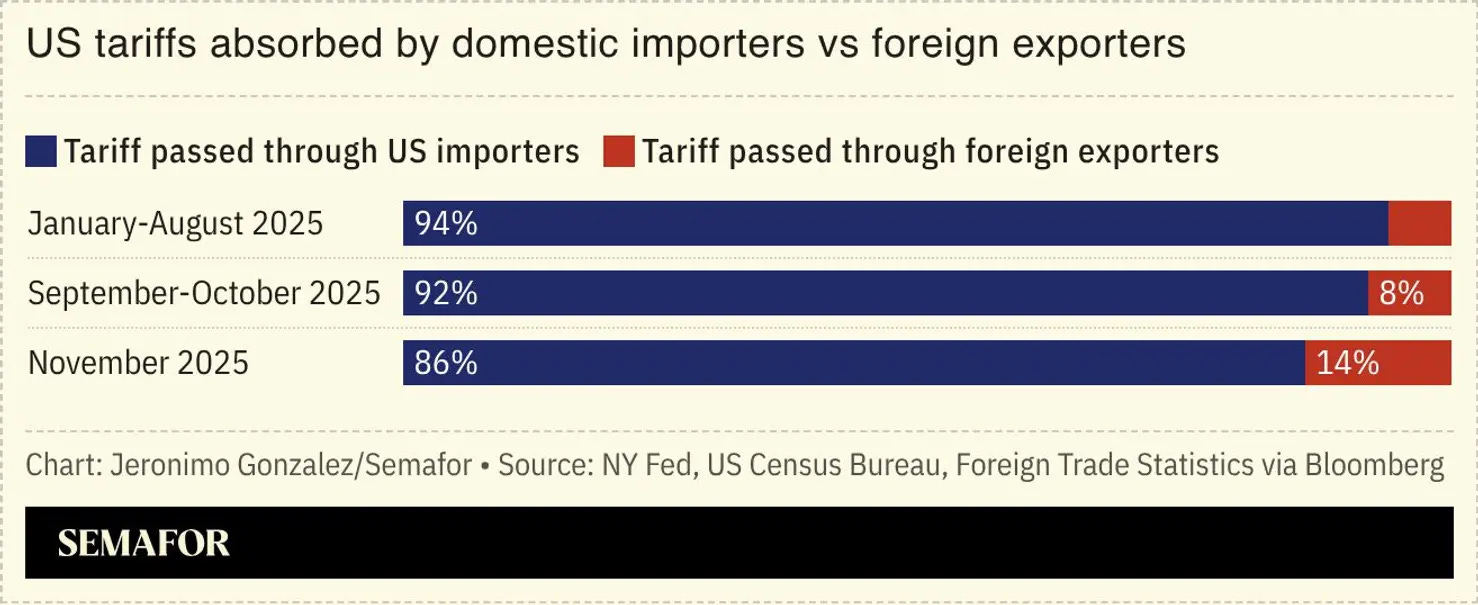
The broader economic question remains unresolved: who actually absorbed the tariffs? Studies have long shown that U.S. importers—and ultimately American consumers—shouldered much of the cost. If refunds are issued, the money would flow back to companies that paid the duties, not directly to shoppers who saw higher prices.
For CEOs, this isn’t just about balance sheets. It’s about political risk management in an era when trade policy can change with a post. Billions may be on the table—but so is the president’s temper.
Source: Semafor
Editor: Corporate America loves free markets—until it has to decide whether asking for its money back might trigger another tariff tweetstorm. Principle meets pragmatism. Watch which one wins.