


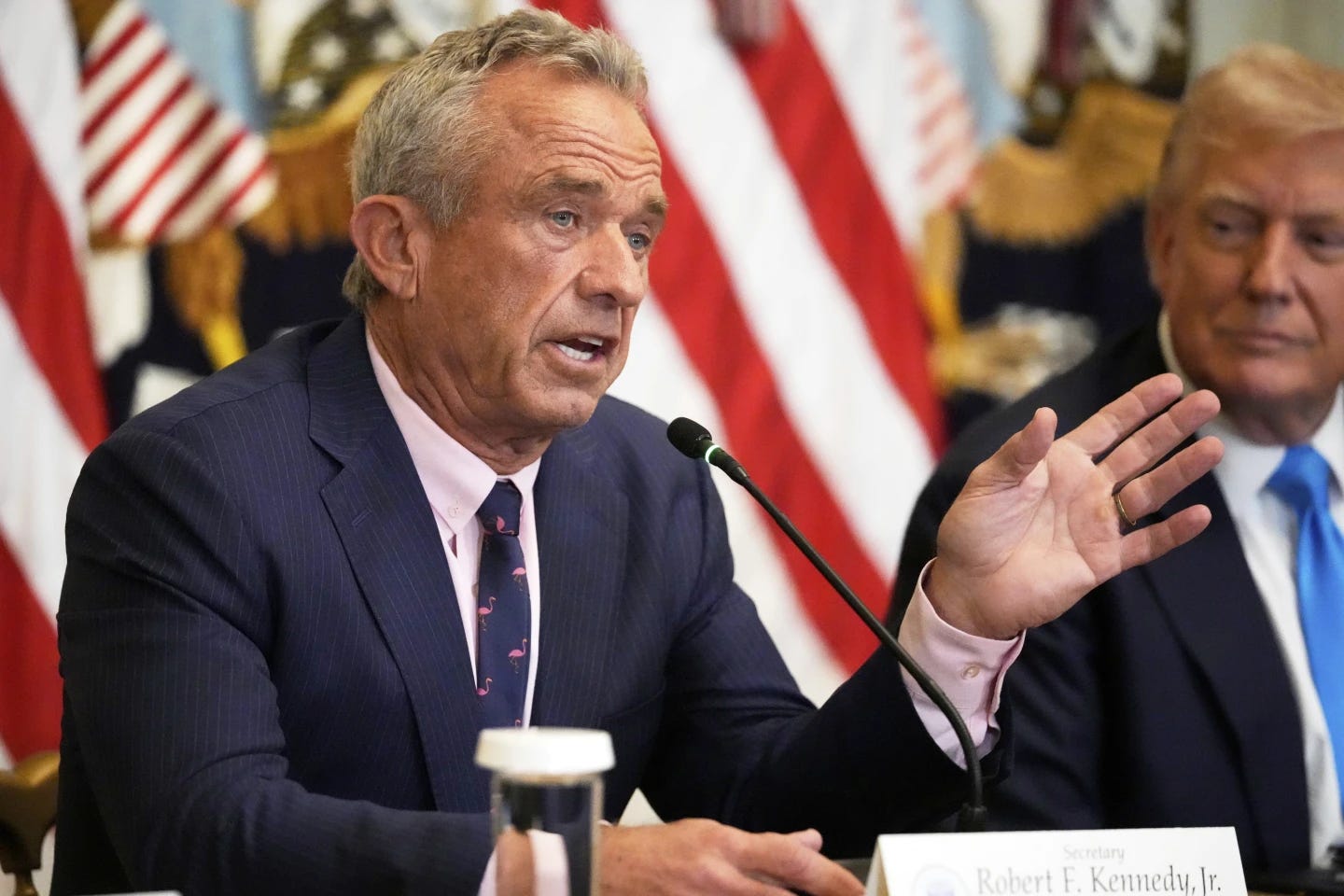
In a move that’s already stirring controversy, Health Secretary Robert F. Kennedy Jr. announced the cancellation of $500 million in contracts aimed at developing mRNA vaccines for respiratory viruses like COVID-19, flu, and H5N1.
Kennedy, a known vaccine skeptic, argues that mRNA technology is “troubled” and is pivoting toward whole-virus vaccines and “novel platforms” that supposedly won’t fail when viruses mutate.
But experts in infectious disease see the cancellation as a reckless step backward. Mike Osterholm, a pandemic preparedness veteran, called it “the most dangerous decision” he’s seen in public health over 50 years. He and others warn that mRNA’s rapid production capabilities are crucial in fighting future pandemics. Dr. Paul Offit, a top vaccine authority, emphasized the millions of lives saved by mRNA vaccines, labeling the decision short-sighted—especially with bird flu threats looming.
Meanwhile, Kennedy insists the administration is backing “safe, effective vaccines for every American” and is betting on a so-called “universal vaccine” that mimics natural immunity. The administration’s stance is drawing protests and deep concern from scientists and public health advocates alike, as the cancellation affects projects from the biggest pharma names in the game.
The debate over mRNA vaccines isn’t just about COVID anymore; this technology holds promise beyond infectious disease, including cancer immunotherapy, hailed by tech leaders like Larry Ellison. Shelving these projects now feels like walking away from a powerful tool before seeing its full potential.
Source: AP News