


Aggressive immigration raids in South Texas are slowing homebuilding to a crawl—and the economic damage is no longer hypothetical.
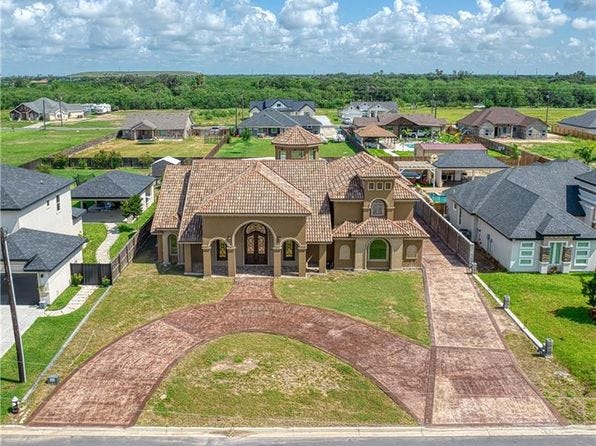
In Weslaco’s Monte Cielo development, half-built homes sit silent after repeated federal immigration raids sent workers running and contractors scrambling. Builders say projects are now months behind schedule, labor is nearly impossible to replace, and fear has become a bigger obstacle than materials or financing.
“They hear Monte Cielo and say, ‘No, no. You can pay me whatever you want, but I’m not going to go work there,’” said builder Alejandro Garcia, summing up how radioactive some jobsites have become. The result: higher costs, lower margins, and buyers stuck waiting.
The ripple effects are spreading fast across the Rio Grande Valley. Residential construction activity in Hidalgo County has fallen an estimated 30%, suppliers are laying off workers, and at least one major concrete company filed for Chapter 11 after demand collapsed. Tile suppliers report millions in lost sales as pallets sit untouched for months.
Even industry leaders who back tougher immigration enforcement say the tactics are backfiring. “They are basically taking everyone in there working, whether they have proper documentation or not,” said Mario Guerrero of the South Texas Builders Association. “When you are terrorizing jobsites, people are afraid to go to work.”
Local officials warn the clash between immigration policy and economic growth is real and intensifying. “It affects everybody,” said McAllen Mayor Javier Villalobos. “We’re still doing well, but we know what happens if it continues.” For a region growing twice as fast as the national average, stalled housing isn’t just a construction problem—it’s an economic choke point.
Source: The Wall Street Journal (free)
Editor: You don’t get a strong economy by scaring the workforce into hiding. If houses don’t get built, prices rise, businesses stall, and the damage doesn’t stop at the jobsite—it lands squarely on everyone pretending this is cost-free.