


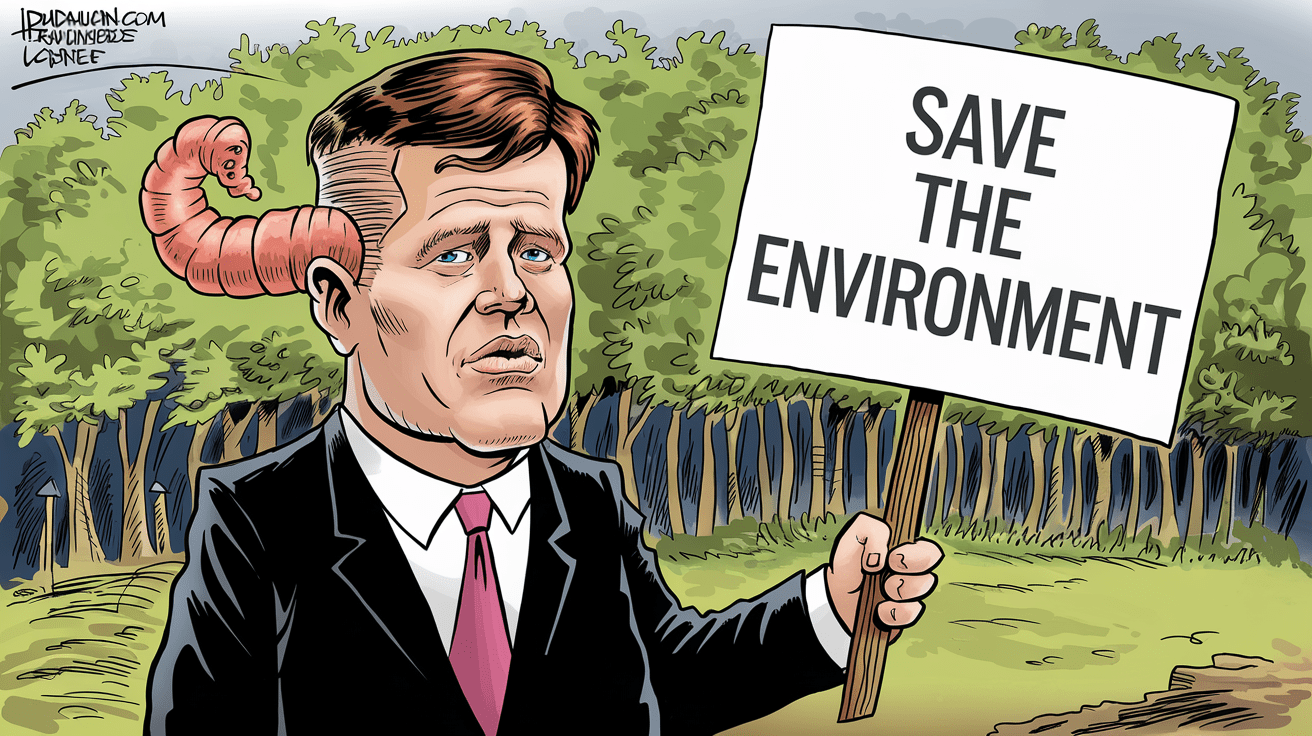
The Senate Finance Committee advanced Kennedy’s nomination on a strict party-line vote of 14-13, setting the stage for what is expected to be a dramatic showdown on the Senate floor.
Kennedy’s nomination has been one of the most divisive of Trump’s second-term picks, with opposition centered around his long-standing criticism of vaccines and his leadership of Children’s Health Defense, a nonprofit that has promoted skepticism toward vaccines and sued the federal government over its vaccine policies. His hearings last week were marked by heated exchanges, with Democrats hammering him over past statements linking vaccines to autism—claims that have been widely debunked by the scientific community.
Despite facing tough questions and criticism, Kennedy survived two days of intense confirmation hearings. His nomination, unlike some of Trump’s other Cabinet choices, has advanced at a slower pace, but it has remained a priority for the administration. Notably, even Trump’s embattled Defense Secretary nominee, Pete Hegseth, secured confirmation before Kennedy, with Vice President J.D. Vance casting a tie-breaking vote.
At the center of Kennedy’s confirmation fight is his position on public health. Critics argue that his past rhetoric undermines public trust in vaccinations and science-based healthcare policies. Sen. Bill Cassidy (R-LA), a physician and chair of the Senate Health Committee, voiced serious concerns, stating:
“Your past of undermining confidence in vaccines with unfounded or misleading arguments concerns me.”
However, in a last-minute decision, Cassidy ultimately endorsed Kennedy, ensuring the party-line vote needed to push the nomination forward.
While Kennedy’s critics focus on his past statements, his supporters argue that his leadership will bring much-needed reform to the country’s health policies. He has pledged to redirect the agency’s focus toward tackling chronic diseases, revamping federal dietary guidelines, and cracking down on ultra-processed foods and the pharmaceutical industry’s influence.
During his hearing, Kennedy defended his nomination by highlighting his commitment to improving public health through lifestyle changes rather than pharmaceutical dependency.
“Our country is not going to be destroyed because we get the marginal tax rate wrong. It is going to be destroyed if we get this issue wrong. And I am in a unique position to be able to stop this epidemic,” Kennedy said Thursday as he pointed to chronic diseases.
With Republicans holding a 53-47 majority in the Senate, Kennedy’s confirmation is not guaranteed. If all Democrats vote against him, he can only afford to lose three Republican votes before his nomination is in jeopardy. The final confirmation vote is expected to be a razor-thin margin, with moderate Republicans potentially determining the outcome.
Kennedy’s political journey has been anything but conventional. After initially launching a long-shot Democratic primary challenge against President Joe Biden in 2023, he later switched to an independent presidential bid before withdrawing and endorsing Trump. His high-profile shift toward the right, coupled with his outspoken views on vaccines and Big Pharma, has made him a polarizing figure in both political parties.
As the full Senate prepares to vote on his nomination, the battle over Kennedy’s role at HHS underscores the broader ideological divide in Trump’s second administration—one that prioritizes political loyalty and outsider influence over traditional expertise in governance.
Source: mydailygrind.news