


The Economy Is Wobbling—and Trump Tariffs Are the Reason #TrumpTariffs
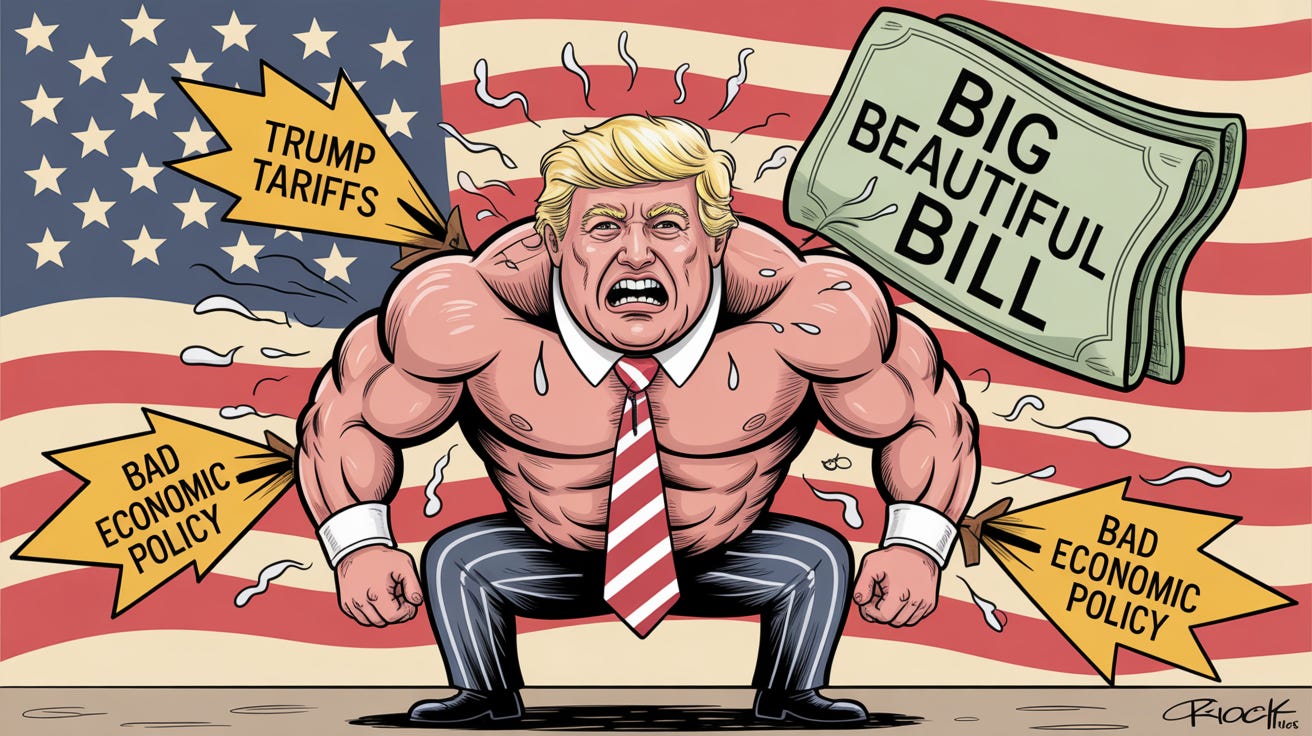
U.S. employers added just 73,000 jobs in July, far fewer than expected, wiping out gains from previous months and nudging the unemployment rate up to 4.2%.
This bad economic news comes right after yesterday’s bad inflation news. Bummer.
Manufacturing took a hit as factories shed 11,000 jobs amid growing uncertainty about import taxes, despite Trump's promise that tariffs would boost domestic production.
“These tariff wars are beginning to wear us out,” a factory manager admitted, describing the “tremendous and unexpected costs” hitting businesses.
The fallout hit the stock market hard, with the Dow plunging over 400 points the same day Trump announced yet another round of global tariffs. Investors are clearly spooked by the mounting import taxes and what they mean for growth both at home and abroad. The labor market softness and tariff fears are pushing more calls for the Federal Reserve to cut interest rates, though inflation remains a stubborn factor.
Wages did tick up nearly 4% year-over-year in July, but with the shrinking workforce participation rate and shrinking job creation, those higher wages might not mean much if overall economic activity keeps slowing. Trump’s aggressive tariff strategy, instead of sparking a manufacturing boom, is creating more questions than answers—and businesses are paying the price.
If you’re wondering why the economy feels like it’s limping along, look no further than the costly Trump tariffs and his terrible immigration policy and their ripple effects across jobs and markets. This isn’t just a temporary slowdown—it’s the direct fallout from policies that are fueling uncertainty rather than confidence.
The Smithsonian Scrubbed Trump’s Impeachments from its Presidential Exhibit
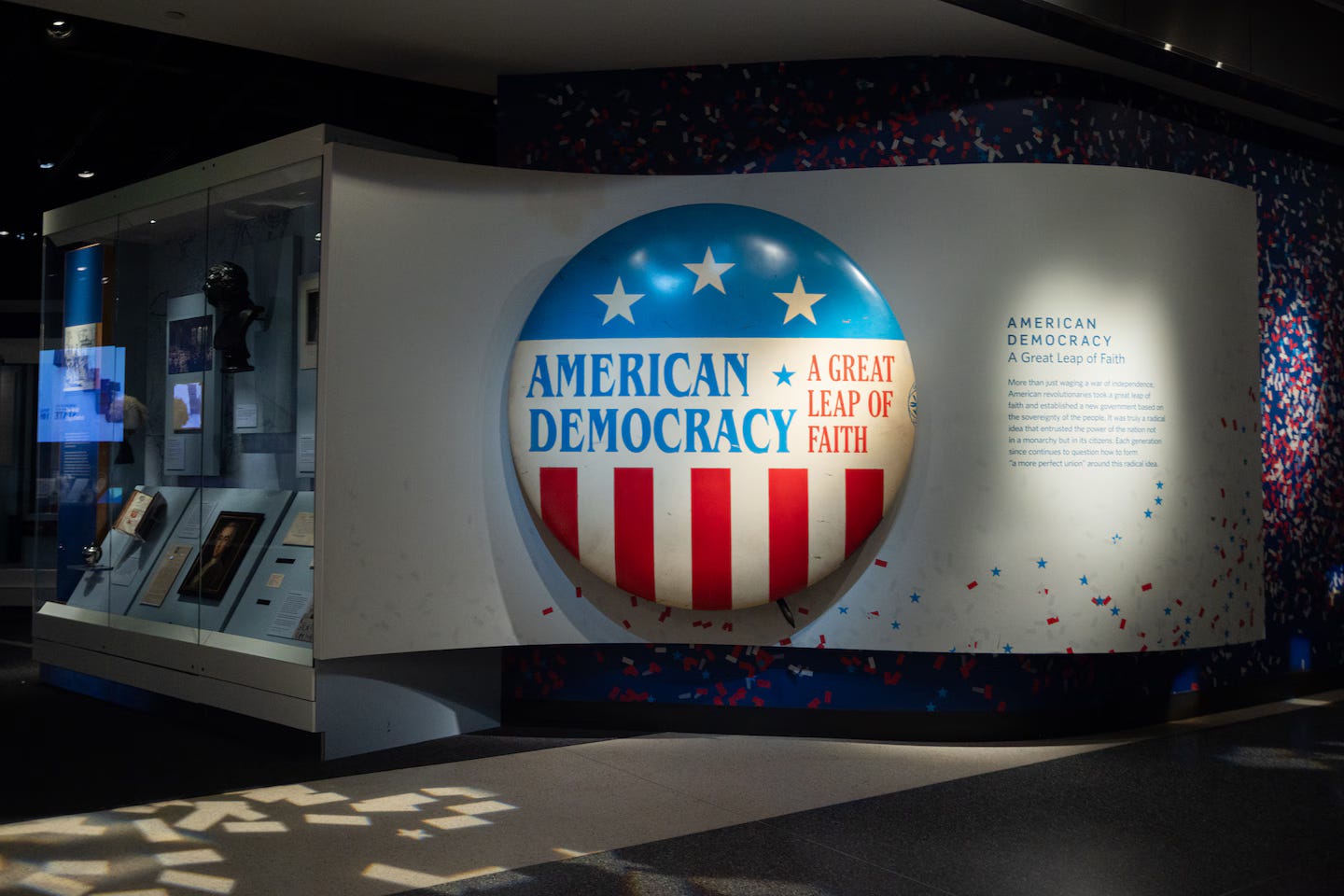
The National Museum of American History quietly removed references to Donald Trump’s two impeachments from a key exhibit, reverting the display to a pre-2008 version that notes only three presidents have faced removal.
This change followed pressure from the White House and coincides with broader efforts by Trump’s administration to reshape cultural institutions to its liking. A Smithsonian spokesperson said the update was part of a content review and that a future exhibit will include all impeachments, but right now, Trump’s unique place as the only twice-impeached president has been “disappeared.”
The original label, added in 2021, explicitly called out Trump’s impeachments alongside those of Andrew Johnson, Bill Clinton, and the near-impeachment of Richard Nixon. It even bore the candid tag: “Case under redesign (history happens).” Now, those details are gone from the physical display, leaving only a generic note about presidential removals. Online, the museum barely mentions Trump’s impeachments beyond a single “Impeach Trump” protest button from 2017.
This isn’t just museum housekeeping—it reflects a disturbing pattern. Since his return to the White House, Trump has been pushing to control prominent cultural bodies, from the Kennedy Center to the National Endowments for the Arts and Humanities, including budget cuts and attempts to remove museum directors deemed “partisan.” In March, he signed an executive order targeting “anti-American ideology” in Smithsonian museums, aiming to recast the institution as a symbol of “American greatness.”
One museum director forced out amid this turmoil was Kim Sajet of the National Portrait Gallery, targeted partly because captions referenced Trump’s impeachments and the January 6 insurrection. Meanwhile, celebrated artists like Amy Sherald are pulling exhibits, citing political hostility and censorship fears.
This kind of historical revisionism isn’t just about Trump’s legacy—it’s about setting a precedent for political interference in institutions that should stand above partisanship. When museums start bowing to political pressure and erasing inconvenient truths, democracy gets one step closer to death.
Source: WaPo (gift article)
Trump Lawyer Emil Bove Gains Senate Confirmation
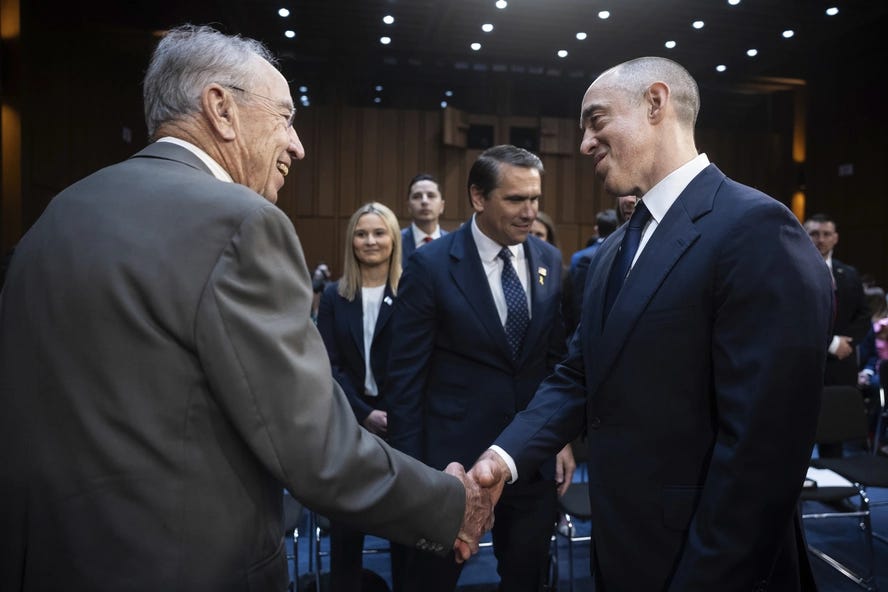
In a razor-thin 50-49 vote, Emil Bove, Trump’s ex-criminal defense attorney, clinched a lifetime appointment on the influential Third Circuit Court of Appeals despite fierce opposition from Democrats and two GOP defectors.
Critics slammed Bove for advising the administration to ignore court orders, prioritizing loyalty to Trump over the law—a red flag that Sen. Cory Booker called “utterly sickening” and “disrespectful” to the judicial office.
Democrats waged an intense battle, spotlighting whistleblower complaints and controversial actions like dismissing corruption charges against NYC Mayor Eric Adams and federal prosecutors tied to the Jan. 6 Capitol riot investigation.
Senate Judiciary Chair Chuck Grassley, however, stood firm against delaying the vote or holding additional hearings, insisting he takes whistleblower claims seriously even if he disagrees with the conclusions. Sure, Old Fart.
Republicans, relying on Vice President JD Vance’s tiebreaker vote, pushed Bove through despite Collins and Murkowski breaking ranks to oppose him. This confirmation underscores Trump’s ongoing effort to reshape the judiciary with fiercely loyal judges.
Sen. Dick Durbin summed it up bluntly: “They’re not interested” in hearing whistleblowers under oath or thoroughly vetting Bove, signaling a troubling prioritization of politics over justice.
This is all part of the authoritarian playbook. Seriously, there are no more surprises.
Source: Politico
Trump Sticks Switzerland with 39% Tariff

Switzerland woke up to a brutal 39% tariff slapped on its exports to the U.S., sending shockwaves through its tech and manufacturing sectors and putting tens of thousands of jobs at risk.
Swiss officials failed to reach a trade deal before the deadline, and with the tariff kicking in on August 7, industries like watches, chocolate, and medical devices are bracing for impact. The Swiss tech association warned this tariff “hits the export economy extremely hard,” since nearly half their income depends on foreign trade.
Despite the blow, economists note America’s grip as a “big market” is loosening. The U.S. only accounts for about 16% of Swiss exports, so while the tariffs sting, Switzerland’s nimble industries may pivot to new customers over time. Gold and pharmaceuticals make up huge chunks of exports, but luckily, pharma appears mostly exempt from these duties, offering a small silver lining.
Yes, Trump has picked a fight with the fucking Land of Chocolate!
Still, the tariffs may backfire on U.S. consumers, driving up prices on luxury Swiss goods and disrupting supply chains. The administration’s trade deficit obsession seems to be causing collateral damage not just abroad, but at home. One economist summed it up bluntly: America isn’t the “enormous” market it once was, and these tariffs highlight the limits of trying to strong-arm global trade with taxes.
If Trump wants to protect American jobs, he’s got to realize tariffs aren’t a magic bullet. They trigger uncertainty, kill goodwill, and in a world where economies are interlinked, punishing partners risks punishing ourselves. Switzerland’s tariff shock is a wake-up call—trade wars have winners and losers, and the U.S. better check which side it’s on.
Source: Marketwatch (gift article)
Palantir Cashing In on Trump Connection
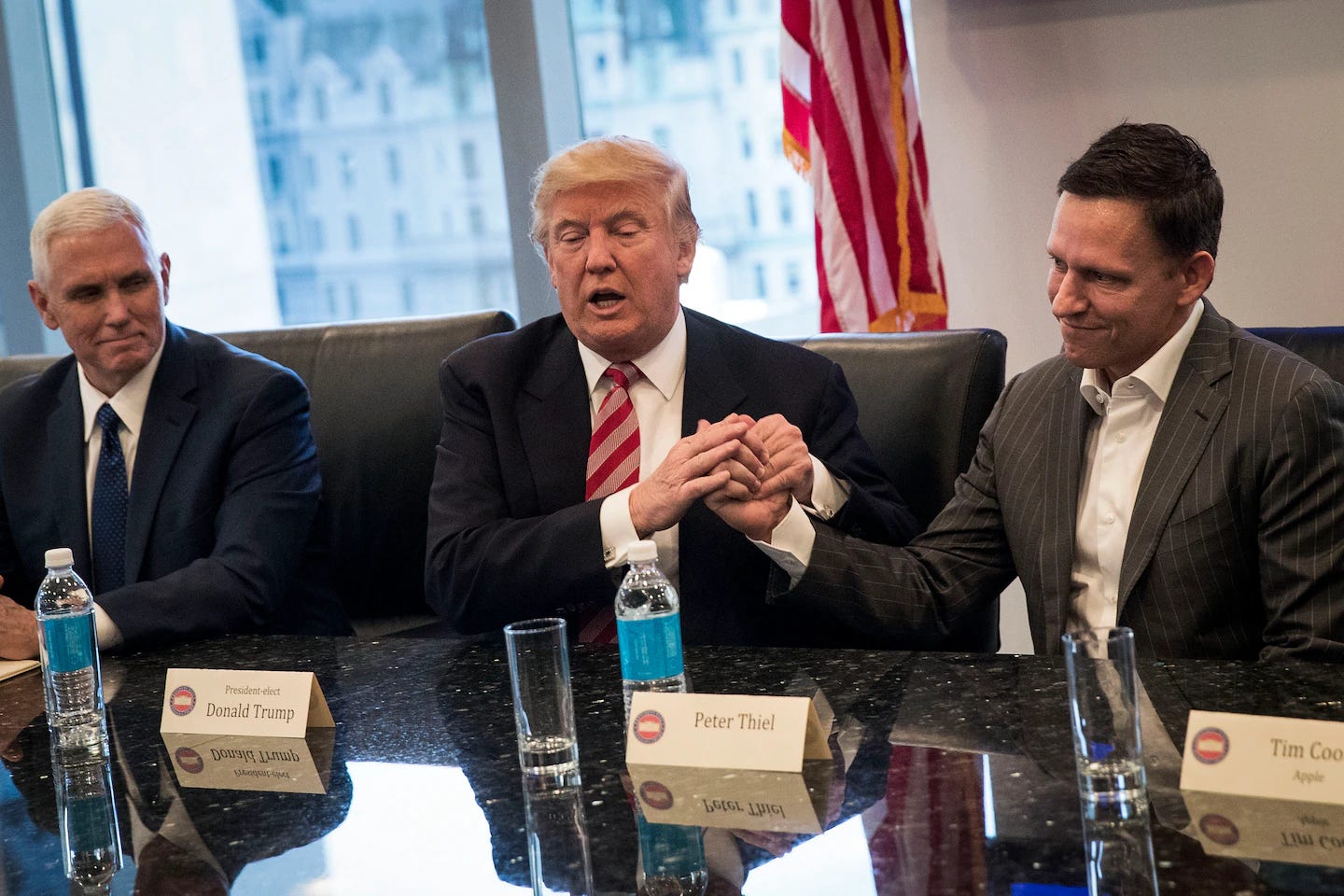
Since Trump’s second term kicked off, Palantir has landed over $300 million in new government contracts—including a massive $10 billion Army deal to consolidate military software spending over the next decade.
The company’s AI-powered tech is now embedded everywhere, from the Pentagon’s warfighting systems to immigration enforcement and even writing diplomatic cables at the State Department. This surge has made Palantir one of 2025’s top-performing stocks, proving that Washington’s new tech-driven, cost-cutting vibe is a perfect fit for them.
Palantir’s close ties to Trump’s administration aren’t accidental. Co-founder Peter Thiel mentors VP JD Vance, while former executives have taken key government roles.
Their tech was designed for government from day one, and they’re capitalizing on the White House’s eagerness to embrace AI and private sector efficiency. But not everyone’s happy—some Palantir employees have protested the company’s involvement in immigration tracking and other controversial projects, sparking internal debates about “at what cost” their success comes.
The Pentagon’s expanded AI contracts, especially around Project Maven, show how Palantir’s tools have evolved from shaky beginnings to battlefield assets used in conflicts from Ukraine to Yemen. The Trump administration’s fast-tracking of these initiatives contrasts sharply with the more cautious Biden era, reflecting a willingness to push AI forward despite massive potential risks.
Yet questions linger about Palantir’s growing influence in sensitive agencies like the IRS and DHS, where rapid contract expansions and single-source deals have raised eyebrows. Critics warn this level of access demands serious scrutiny to protect civil liberties, even as defenders highlight Palantir’s robust privacy controls. LOL!!!
Palantir is a perfect storm of tech, politics, and Trump ambition—thriving under Trump’s Washington but walking a tightrope between innovation and ethical lines. Whether this is a smart strategy or reckless overreach depends on where you stand, but it’s definitely a story worth watching.
Source: WaPo (gift article)
Third Person Appears in Jeffrey Epstein’s Jail Footage

Jailhouse footage from Epstein’s final night shows an unidentified figure entering a common area near his cell around 4 a.m., two hours before Epstein was found dead.
Neither of the guards on duty, who reportedly had the only keys to the unit, opened the door for this person, contradicting their sworn statements and leaving open the question of how this mystery visitor got in.
The limited, grainy video only partially covers the area and doesn’t fully capture the staircase leading to Epstein’s cell block. Forensic video experts say it’s impossible to rule out that someone could have accessed the cell unseen. Compounding the mystery, an “orange shape” climbing the stairs at 10:40 p.m.—the last recorded movement toward Epstein’s cell—may have been a prisoner, not a guard as officially claimed.
Epstein was on suicide watch and was supposed to be checked every 30 minutes, yet no checks occurred the night he died. The Department of Justice insists their report stands, citing chronic staffing issues and poor camera coverage, but CBS’s analysis suggests their investigation missed critical details.
With Epstein’s death still surrounded by conspiracy theories and political tension, this new footage raises more questions than answers—making it clear that the full story is far from settled. As the truth remains obscured, skepticism about the official narrative grows.
Epstein didn’t kill himself. Who did? We’ll NEVER definitively know. But we know who ordered the Code Red.
Source: MSN