


Katrina at 20: New Orleans Still Grappling With the Storm That Never Ended

Twenty years later, New Orleans still wears the scars of Hurricane Katrina—and the city can’t quite decide if it has healed or just learned to limp.
This week’s remembrance is quieter than anniversaries past. The interfaith service at St. Louis Cathedral carried somber echoes, with Mayor LaToya Cantrell, Archbishop Gregory Aymond, and community leaders recalling how the city sat in darkness in 2005. As Bishop Brandon Boutin put it, “Many of us will be forced to relive the trauma of a storm. It left scars—physical scars, emotional scars.”
Friday’s events include a wreath-laying at the Katrina Memorial, a march through the Lower Ninth Ward, and memorials across Louisiana and Mississippi. It’s a reminder that Katrina wasn’t just a New Orleans disaster—it was a regional catastrophe, with Mississippi’s devastation often overshadowed by the levee failures in the Crescent City.
The numbers remain staggering: 1,392 lives lost, $200 billion in damage, and 80% of New Orleans underwater after 54 levee breaches. The federal government poured in $120 billion for recovery, but who got helped often depended on who had money to begin with. Lakeview bounced back. The Lower Ninth? Not so much.
Today, New Orleans is protected by a $14.6 billion levee system. Impressive, sure, but climate scientists are blunt—it won’t hold forever. Meanwhile, cultural giants like Delfeayo Marsalis warn the city risks becoming a hollowed-out caricature of itself, as gentrification pushes out the very communities that gave the world jazz funerals and brass bands.
Source: NOLA.com
The city survived Bush’s flyover, FEMA’s incompetence, and Ray Nagin’s “chocolate city” meltdown. But the real tragedy is that two decades later, we’re still measuring progress by how many neighborhoods aren’t abandoned.
Air Force Reverses Course: Ashli Babbitt to Receive Military Funeral Honors
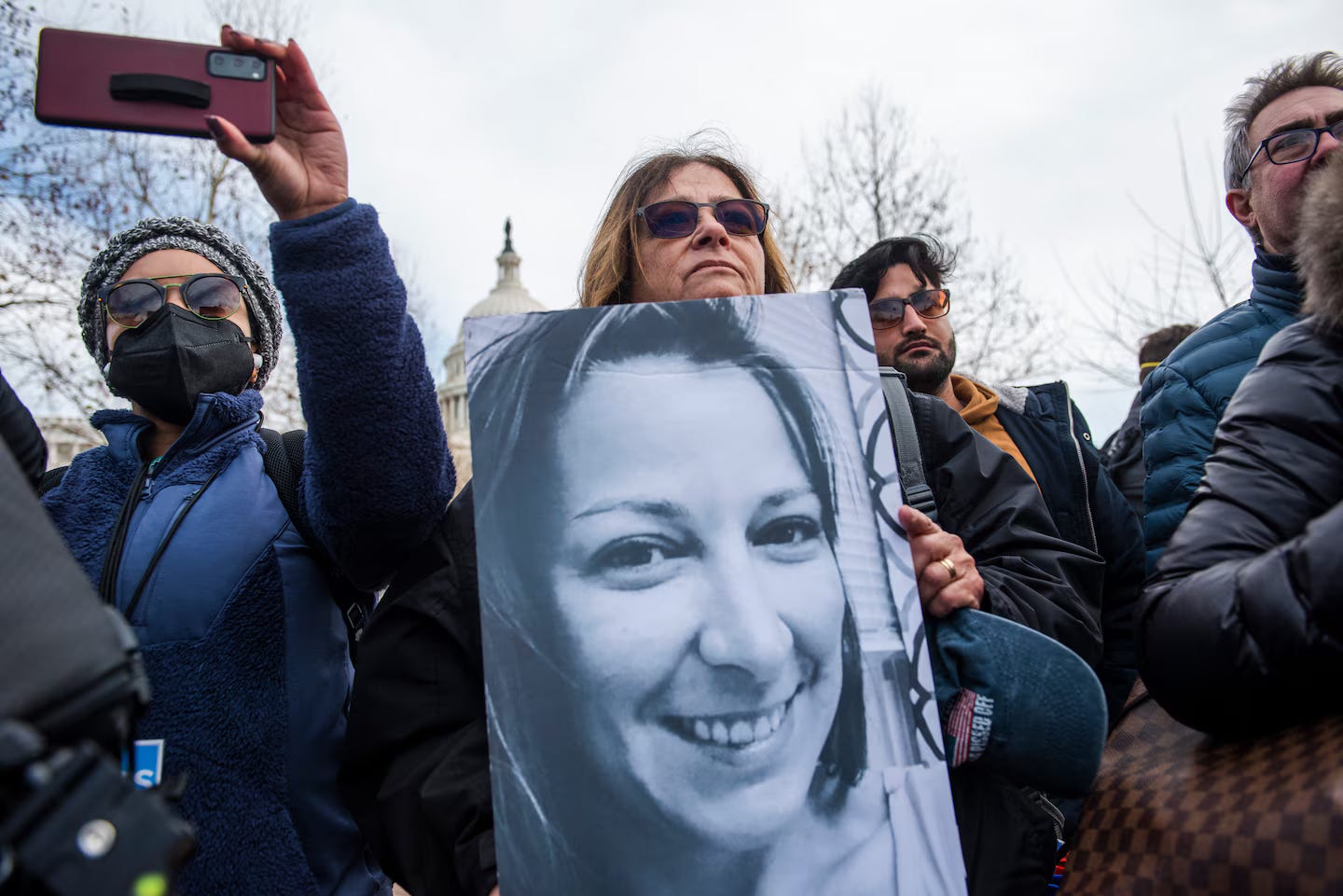
The Air Force has decided to grant military funeral honors to Ashli Babbitt, the Air Force veteran fatally shot while storming the U.S. Capitol on Jan. 6, 2021.
The move comes years after Babbitt’s family was initially denied the request due to “the circumstances preceding her death.” Judicial Watch, which has long championed her cause, called the reversal a win after the family pocketed nearly $5 million in a wrongful-death settlement earlier this year.
Babbitt, 35, served in multiple deployments before leaving the Air Force, but her death has been weaponized by Trump and his allies as part of a broader campaign to rewrite Jan. 6. As he’s done with hundreds of rioters he pardoned, Trump has painted her as a martyr—ignoring that she was killed while trying to climb through a smashed door into the Speaker’s Lobby as officers defended Congress.
Her family insists she “posed no threat to the safety of anyone” and did not come to Washington “for any unlawful or nefarious purpose.” Federal prosecutors, however, cleared the officer who shot her, and more than 140 police officers were injured that day. Yet, here we are, giving a hero’s sendoff to someone who died breaking into the Capitol.
Military funeral honors vary based on rank, but even the minimum includes a flag presentation and a detail of uniformed service members. Many veterans have voiced outrage, saying the decision diminishes what “honorable service” means. The Air Force, for its part, isn’t commenting on why it suddenly changed its mind.
Source: Washington Post (gift article)
Imagine serving four tours overseas only to share the same honors as someone who tried to help overturn an election. That’s not patriotism—that’s cosplay with a body count.
Starbucks Hacker Cracks Tesla’s Secrets, Jury Slams Company With $243 Million Verdict

Tesla swore it didn’t have the crash data from a fatal 2019 Autopilot wreck—but a hacker sipping hot chocolate at Starbucks found it in minutes.
That discovery became the smoking gun in a Miami federal courtroom, where a jury last month held Tesla 33 percent liable for the Key Largo crash that killed 22-year-old Naibel Benavides Leon and left her boyfriend catastrophically injured. The verdict? A historic $243 million—Tesla’s biggest courtroom loss yet tied to its driver-assistance technology.
The hacker, known online as @greentheonly, cracked open the car’s Autopilot computer and uncovered the “collision snapshot” Tesla claimed it couldn’t locate. “For any reasonable person, it was obvious the data was there,” he told The Washington Post. Tesla later admitted the snapshot had been on its servers all along.
Attorneys for the victims accused Tesla of deception, saying the vehicle failed to warn the driver and the company misled investigators for years. Tesla’s lawyer called the fiasco “the most ridiculous perfect storm you’ve ever heard,” admitting the company was “clumsy” but insisting it never meant to hide the evidence. The jury wasn’t buying it.
The fallout is already hitting beyond Florida. Shareholders have filed suit in Texas, families with similar Autopilot cases are circling, and at least one attorney says he’ll be asking his next jury for “north of a billion dollars.” For Tesla, this case isn’t just about one crash—it’s about whether juries believe Elon Musk’s software empire values lives as much as it values data.
Source: Washington Post
Nothing says “cutting-edge tech company” like losing nine figures in court because a guy with a ThinkPad and a Starbucks gift card did your job better.
Rwanda Takes First U.S. Deportees Under Controversial Trump Deal
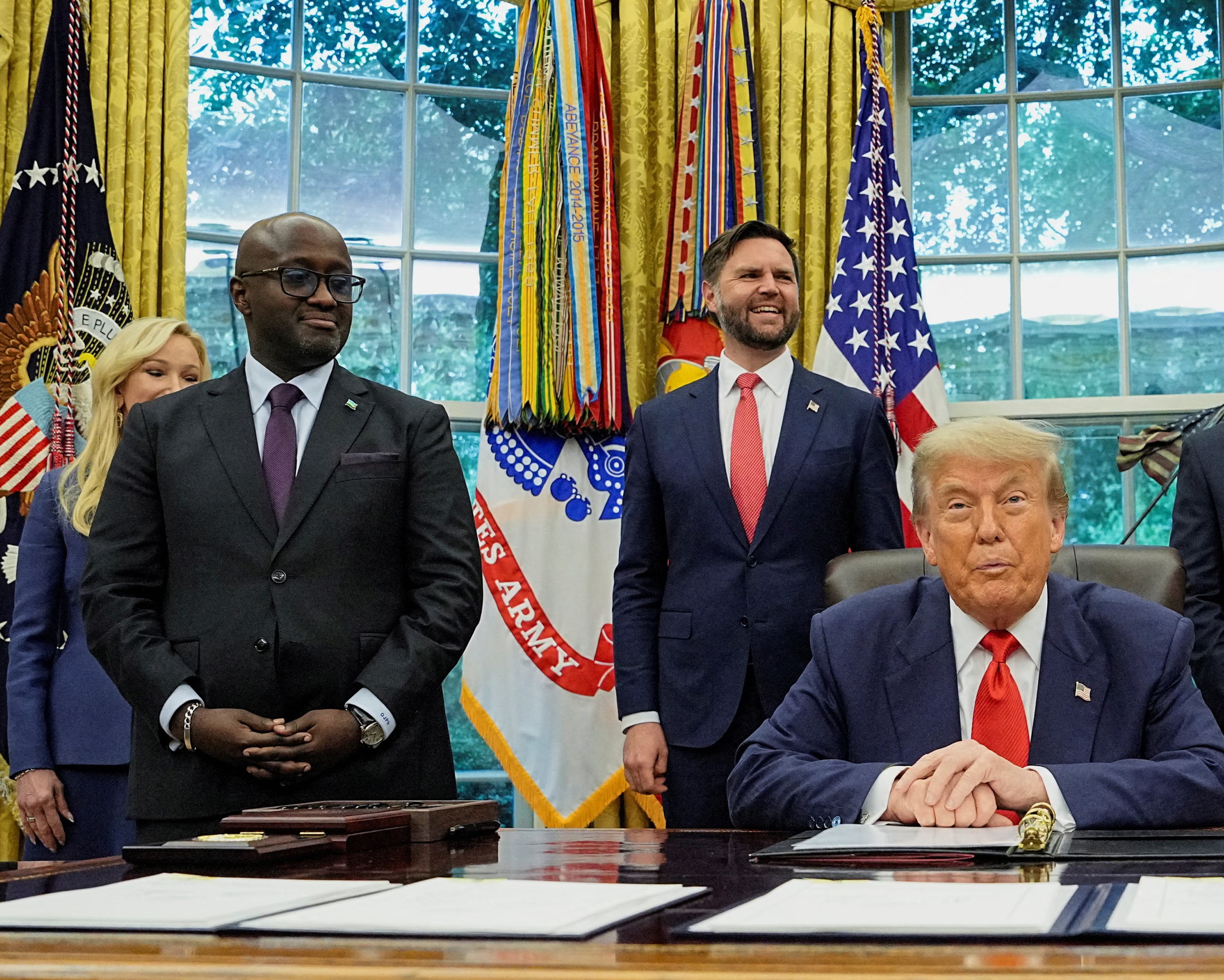
Seven migrants deported from the United States have landed in Rwanda, the first arrivals under Trump’s new third-country deportation scheme.
The Rwandan government confirmed that the group, vetted before departure, arrived in mid-August. Of the seven, three said they want to return to their home countries, while four expressed interest in staying and starting new lives in Rwanda, according to government spokesperson Yolande Makolo.
The deal, announced earlier this month, allows Rwanda to accept up to 250 deportees from the U.S., with Kigali reserving the right to approve or reject individuals. For now, the new arrivals are being housed by an international organization, with oversight from the International Organization for Migration and local social services.
Human rights activists aren’t buying the humanitarian spin. One Rwandan activist said the arrangement is about “money and political influence,” pointing out that it could help Kigali strengthen its hand in peace negotiations over the DRC conflict. Meanwhile, critics argue that deporting people to third countries where they may face abuse violates international law.
Trump officials have defended the policy as necessary when home countries refuse to take deportees back. Rwanda, which has a record of suppressing dissent and press freedoms, insists it’s stable and ready to help—but this “stability” comes at a price, and deported lives are the currency.
Source: The Guardian
When “the land of the free” outsources its deportations to an authoritarian government with a side hustle in human rights abuses, you know the system’s running on fumes.
U.S. Warships Crowd Caribbean as Trump Targets Cartels, Venezuela Cries Foul
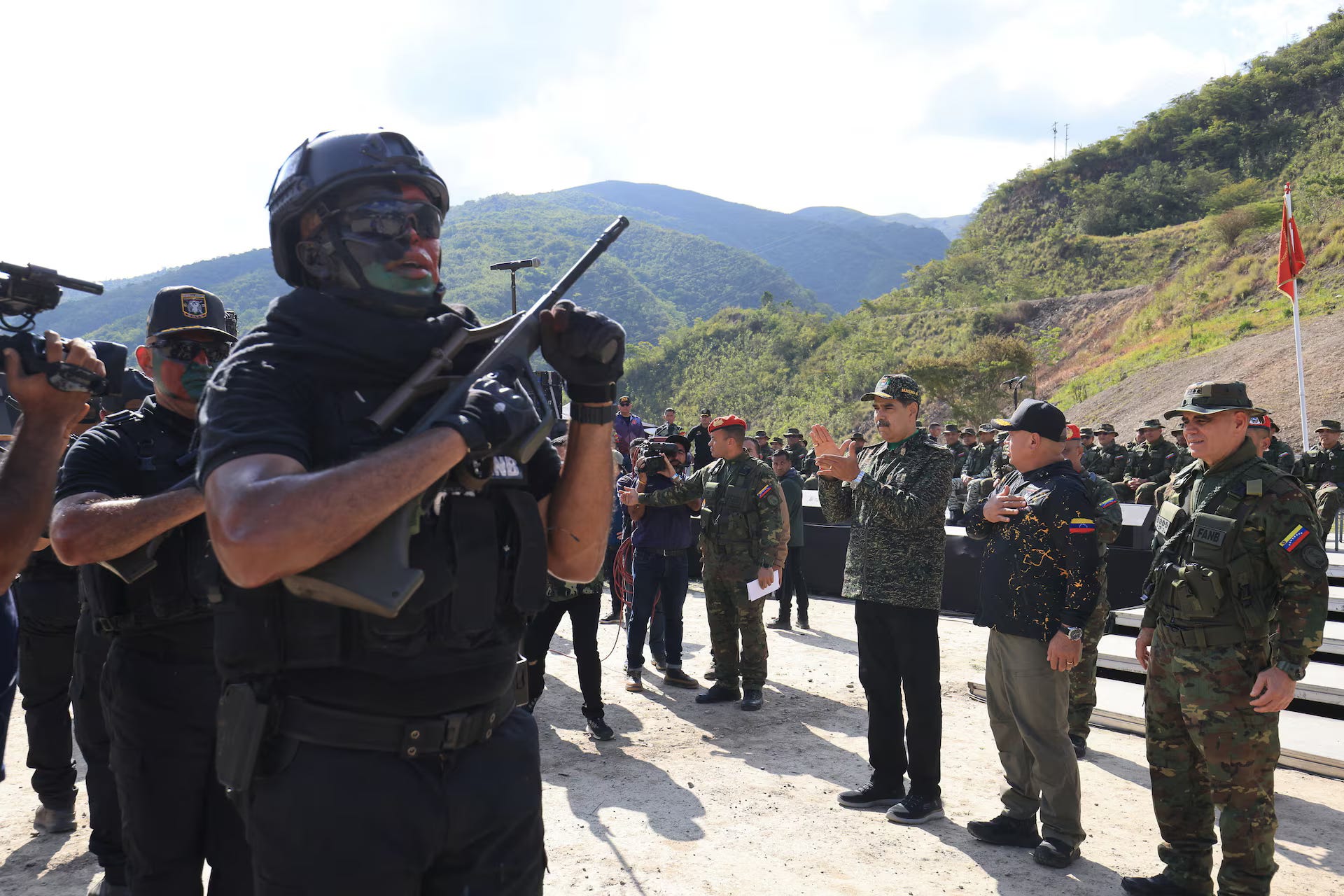
Seven U.S. warships and a nuclear submarine are massing near Venezuela, escalating tensions as Trump vows to unleash “every element of American power” against drug cartels.
The Pentagon hasn’t spelled out its mission, but the Trump administration has been clear: the military is now authorized to directly take on Latin American cartels and criminal groups. The buildup includes the USS San Antonio, USS Iwo Jima, and USS Fort Lauderdale—ships carrying 4,500 troops, including 2,200 Marines—plus P-8 spy planes sweeping the region for intelligence.
Venezuelan President Nicolás Maduro blasted the naval presence as a provocation and filed a complaint with the United Nations. “It’s a massive propaganda operation to justify what the experts call kinetic action—meaning military intervention,” Venezuela’s U.N. Ambassador Samuel Moncada said after meeting with Secretary-General António Guterres.
The White House, however, says the regional response has been supportive. “Many Caribbean nations and many nations in the region have applauded the administration’s counter drug operations,” press secretary Karoline Leavitt told reporters, pointing to designations of groups like Mexico’s Sinaloa Cartel and Venezuela’s Tren de Aragua as global terrorist organizations earlier this year.
Maduro, for his part, is rallying his own forces—deploying 15,000 troops to Colombia’s border and training civilian defense groups weekly. Whether this ends as saber-rattling or slides into a real confrontation will depend on whether Trump’s “war on cartels” turns into a war with Venezuela.
Source: Reuters
Trump sending Marines to chase cartels in the Caribbean feels less like strategy and more like playing Battleship with live ammo.
Cracker Barrel Axes Pride Page and DEI References After Logo Backlash
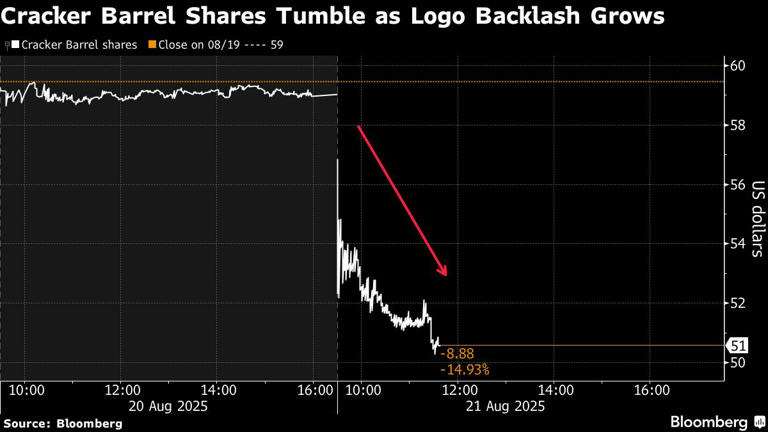
Cracker Barrel has quietly scrubbed its website of Pride content and employee resource groups just days after caving on its controversial logo rebrand.
The Tennessee-based chain deleted its dedicated “Pride page,” which once read, “On behalf of Cracker Barrel’s LGBTQ+ Alliance & DEIB Team, we want to celebrate YOU for being YOU.” It also removed mentions of LGBTQ+ and Diversity, Equity, Inclusion and Belonging groups from its “Culture and Belonging” section, replacing them with generic language about corporate giving.
A company spokesperson insisted the move was simply part of “removing outdated content,” pointing to new initiatives focused on food insecurity, community needs, and food waste. But the timing is hard to ignore—this came right after right-wing influencers torched the company for a stripped-down logo and demanded an end to its DEI efforts.
Even President Trump piled on earlier this week, declaring the chain should return to its old logo. Cracker Barrel quickly reversed course on the rebrand, and soon after, its website edits were spotted. Robby Starbuck, one of the loudest anti-DEI voices online, declared the scrub “a total victory.”
For a company whose stock has tanked by more than half over the last five years, Cracker Barrel looks less like it’s pleasing “all people” and more like it’s panicking to please whichever group yells the loudest that week.
Source: CNN
When your business strategy is dictated by internet influencers and presidential temper tantrums, you’ve officially gone from “down-home cooking” to “corporate hostage crisis.”