


Apple Drops $100 Billion to Bring Manufacturing Back to the U.S.
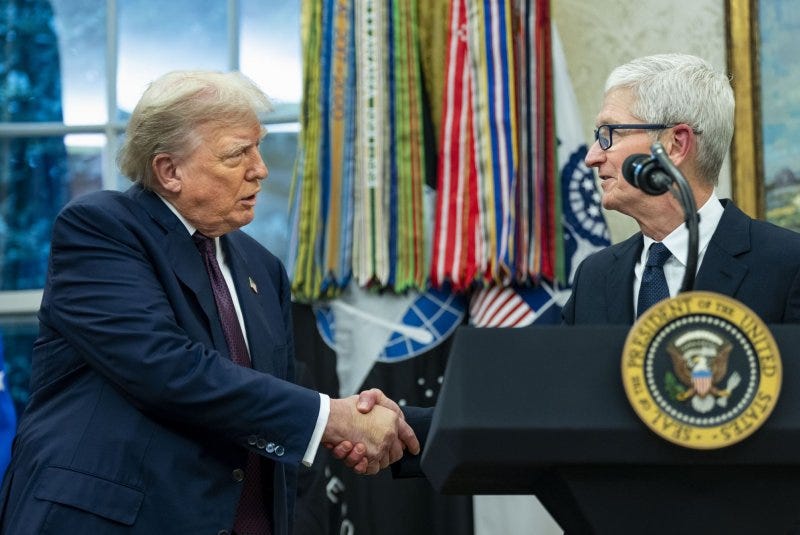
Apple CEO Tim Cook and President Trump just announced a massive $100 billion push to move more of Apple's supply chain stateside, part of a broader $500 billion investment plan over the next four years.
This isn't a magic wand for instantly American-made iPhones, but it signals a serious shift toward boosting domestic production of key components—think glass covers and semiconductors—not the final assembly of your MacBook or iPad, which will still happen overseas. And it’s a helluva bribe to keep Trump from tariffing your ass off the Magnificent 7.
Remember this?
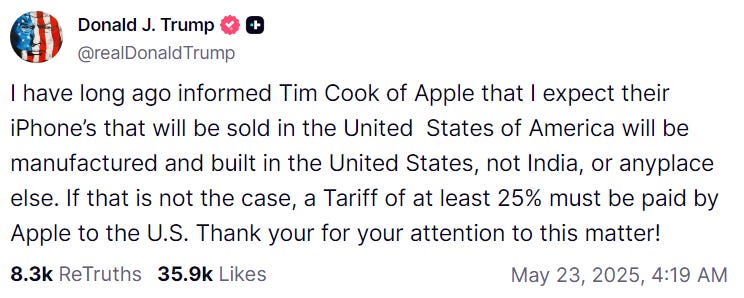
Cook proudly revealed Apple’s plans to ramp up U.S. production of chips—19 billion this year alone—and build the largest smart glass manufacturing line in Kentucky through a $2.5 billion partnership with Corning. Trump, clearly loving the optics, promised no tariffs on chips made in the U.S. (because, duh, you don’t tariff domestic production), sweetening the deal for Apple and others joining the reshoring trend. Meanwhile, Apple’s investment extends to a new Houston server plant and a manufacturing academy in Detroit, aiming to create jobs and secure critical supply chains.
Apple’s move comes amid escalating tariffs and trade tensions, with companies bracing for a 100% tariff threat on foreign chips. Despite some Apple products being tariff-exempt, the company still faced nearly $800 million in duties last quarter, expecting more soon.
“Tim Cook is known to be the supply chain genius of technology,” noted industry strategist and known buttlicker Ted Mortonson.
To be fair, Apple is building an end-to-end silicon supply chain right here in the States, from design through packaging. But don’t get your hopes up for fully “Made in USA” iPhones anytime soon—final assembly remains global, at least for now.
Nothing says “Made in America” like bribing the U.S. POTUS with a hundred billion dollars while your iPhones get their final polish halfway around the world.
And this is just another of many reasons I hate Crapple.
Source: UPI News
GOP Senators Are Calling On the FBI to Arrest Texas Democrats
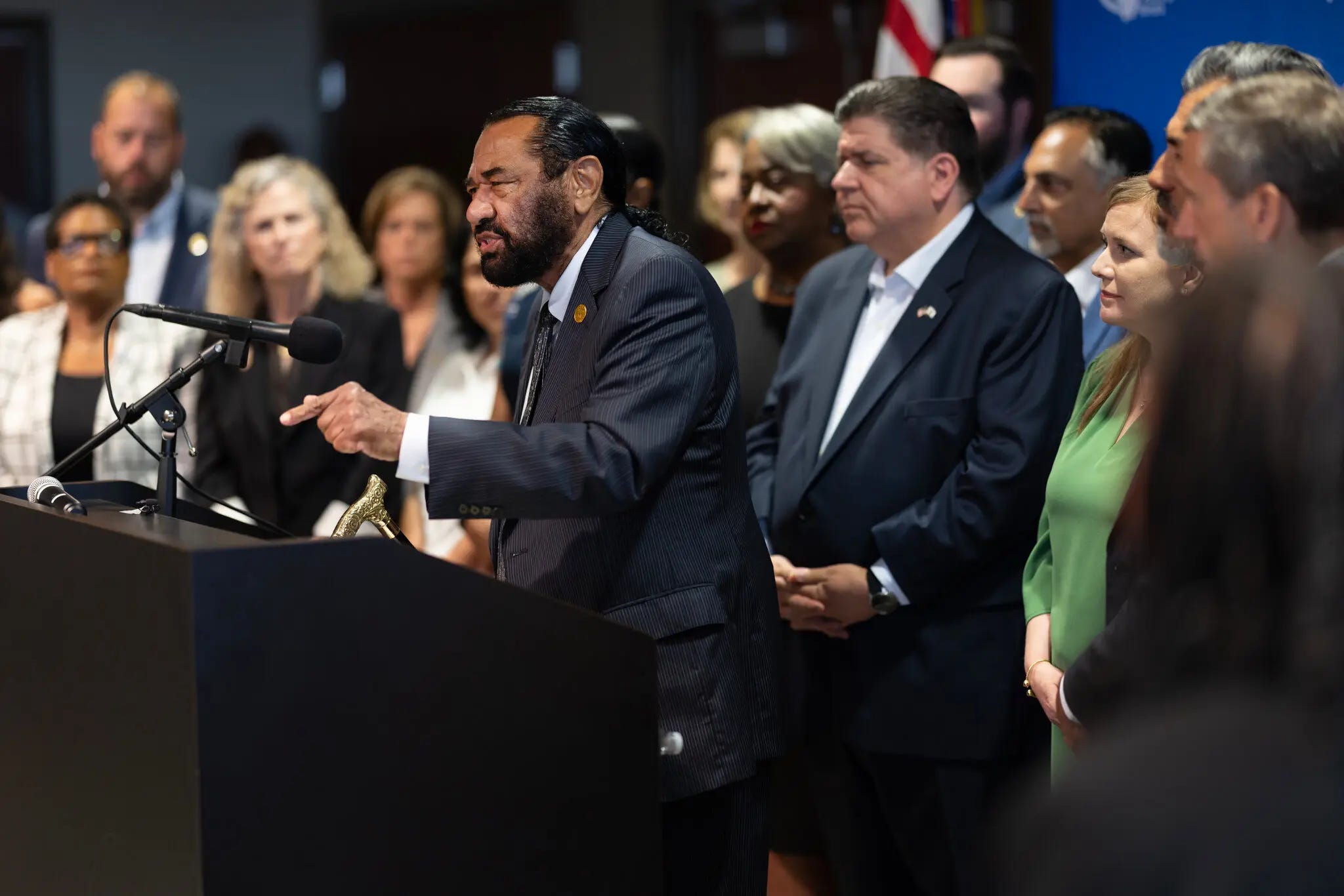
Texas Democrats fled the state to block a controversial redistricting plan, and now the GOP is escalating their response with federal muscle and legal firepower.
Senator John Cornyn confirmed that the FBI agreed to help track down dozens of Texas Democratic lawmakers who have left for Illinois to prevent a vote on the new congressional map. This move sets the stage for a tense standoff, with federal agents potentially clashing with state authorities in Illinois, where most of the lawmakers have taken refuge.
Pressure on the walkout lawmakers has exploded beyond expectations. False bomb threats disrupted their Chicago-area hotel, while Texas Attorney General Ken Paxton launched investigations accusing Democrats and their supporters of bribery and electoral sabotage. Governor Greg Abbott is aggressively pursuing removal proceedings against absent lawmakers, including special court petitions demanding they return or lose their seats. The stakes are sky-high with a special legislative session ending August 19 looming.
Democrats say these heavy-handed tactics mark a new level of “authoritarian” pushback, far beyond past walkouts in 2021 or 2003. “People are concerned. We’re looking over our shoulder,” said State Rep. Ron Reynolds. The GOP, meanwhile, is locked in a fierce primary battle, with leaders like Cornyn and Paxton eager to prove toughness ahead of 2026. The battle isn’t just about Texas—it’s become a national flashpoint for redistricting wars that may inspire similar fights in states like California, Missouri, and Indiana.
While the Democrats hope to hold out until the special session ends, most expect Republicans will eventually ram through their partisan map in court or the legislature. Texas Democrats have brought attention and pressure but face an uphill battle as the political fight moves into the courts and across the country.
Nothing says “democracy” like calling in the FBI to round up lawmakers who just don’t want to play your partisan games.
Source: The New York Times
Can $1.5 Trillion and 70 Years Save Social Security?

Social Security’s financial clock is ticking, and Senators Bill Cassidy and Tim Kaine have pitched a bold, long-game plan to fix it.
Their idea? Dump $1.5 trillion over five years into a separate investment fund that would grow for 70 years before being tapped to shore up benefits—no benefit cuts, no immediate tax hikes. Sounds like a dream, but it’s far from a silver bullet.
My plan is better.
The fund would be invested in stocks, bonds, and other assets, with dividends recycled back in. Cassidy insists this wouldn’t add to the national debt since the investment income should outpace the interest on borrowed funds. He even claims it could cover about 70% of the borrowing needed to sustain Social Security over the next seven decades. The Treasury would front the payments for now, then get reimbursed once the fund matures.
Kaine and Cassidy both admit this plan alone won’t solve everything. Kaine called it a “really important ingredient” but said multiple moves will be needed to fix Social Security’s looming shortfall. They’re gathering feedback and hoping to build bipartisan momentum before drafting legislation, with some Republicans already warming to the idea.
But experts aren’t sold. Critics say borrowing to invest delays the tough choices on tax increases and benefit changes. The plan risks higher interest rates and slower growth, potentially making matters worse. Some liken it to state pension gamble schemes—risky and uncertain.
The bottom line? Social Security faces severe issues by 2034, and while Cassidy and Kaine’s plan brings fresh thinking to the table, the political and economic hurdles mean real reform will remain a tough climb. As Sen. Angus King put it, “The longer we wait, the harder it is to fix.”
This kind of investment fund could actually be a smart move—if and only if it’s a true trust that can’t be raided, borrowed from, or redirected for anything other than securing Social Security’s future. But seriously, read my plan above. It’s solid AF.
Source: The Hill
Israel Eyes Full Gaza Occupation to Crush Hamas—But Warns of a Long, Costly Fight
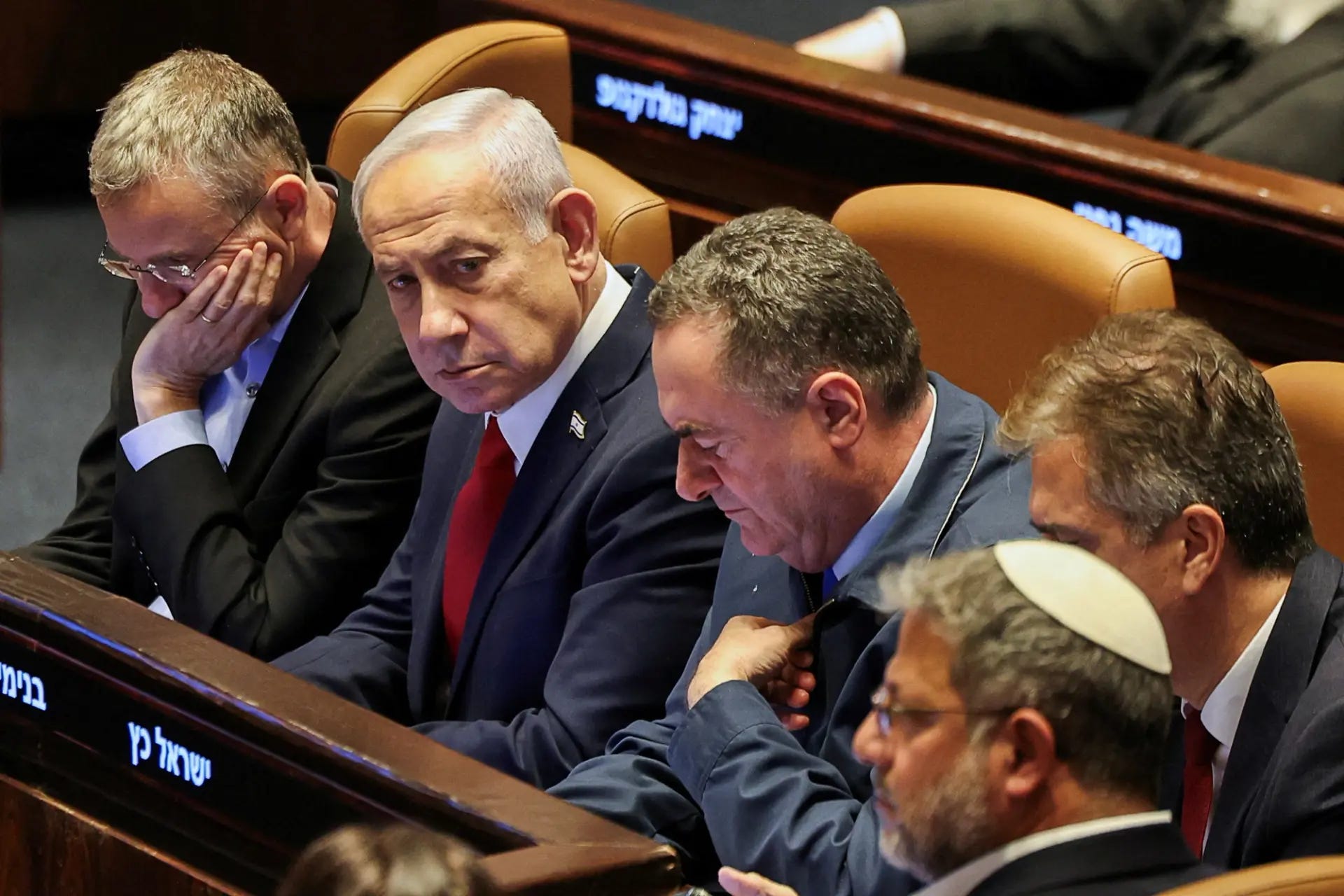
Israel is gearing up for a massive, months-long military operation to take full control of Gaza, aiming to obliterate Hamas and secure hostage releases—but the risks are enormous.
The plan, expected to be approved soon, would unfold in phases combining intense military action with increased humanitarian aid, but several Israeli ministers and even the military chief caution it could turn into a “Vietnam model” of prolonged conflict.
The humanitarian crisis in Gaza is already dire, with widespread hunger and disease, while UN relief efforts fall far short of the need. Israeli leadership faces pressure both domestically and internationally as ceasefire talks have stalled and political rifts deepen, including the recent ouster of a top attorney general critical of Prime Minister Netanyahu.
This escalation reflects Israel’s frustration over hostage negotiations and a desire for a decisive end to the conflict, but analysts warn of a quagmire that could stretch on for months years, draining resources and sparking further instability.
With Gaza on the brink and global eyes watching closely, Israel’s gamble may either secure long-term security or plunge the region into even deeper chaos. Bet on the latter.
Netanyahu is a war criminal. When this is all over, he needs to be tried for his evil crimes.
Source: Semafor
Putin and Trump Set to Meet Amid High Stakes for Ukraine Peace—and Europe’s Role

Vladimir Putin and Donald Trump are gearing up for a summit that could reshape the Ukraine war—but nobody’s counting on quick fixes.
The Kremlin confirmed the meeting is imminent as Trump pushes hard for a breakthrough to end the 3½-year conflict, even threatening new sanctions if Russia and its buyers don’t back down. Meanwhile, Ukraine’s President Zelenskiy is doubling down on Europe’s role in any peace deal, warning of a “dignified peace” that must include the continent’s stake.
Trump’s envoy recently spent hours in Moscow, and the White House said the summit could happen as soon as next week, possibly followed by a three-way meeting including Zelenskiy. But Putin remains cautious, indicating he’s open to talks with Ukraine’s leader only if conditions improve—something that’s nowhere near happening. The looming summit sent Russian stocks up and lifted the ruble, signaling investor hope that tensions might ease, but skepticism runs deep.
Zelenskiy, speaking with European leaders, emphasized Europe’s indispensable part in negotiations. “The war is happening in Europe, and Ukraine is an integral part of Europe,” he said, insisting the conflict’s resolution will shape Europe’s security for decades. Still, Ukrainian experts worry the summit could give Putin a diplomatic win without real concessions, as Russia drags negotiations while projecting openness.
This meeting marks the first Trump-Putin summit since 2019 and contrasts sharply with the Biden administration’s “below zero” relations with Moscow. Under Trump, talks of restoring commercial ties are back on the table, but the question remains whether diplomacy will translate into peace—or just political maneuvering.
As Ukrainians remain wary on the streets of Kyiv, one thing’s clear: Any deal coming out of this summit will carry massive consequences, and Europe will not be a silent bystander.
If you think this Odd Couple is capable of pulling off a peace plan, here’s a peace pipe you can smoke. At least you’ll get high instead of being a forever dumbass.
Source: Reuters
Trump’s War on Public Universities Hits the University of California—and UCLA’s $584 Million Research Funds Are on the Line
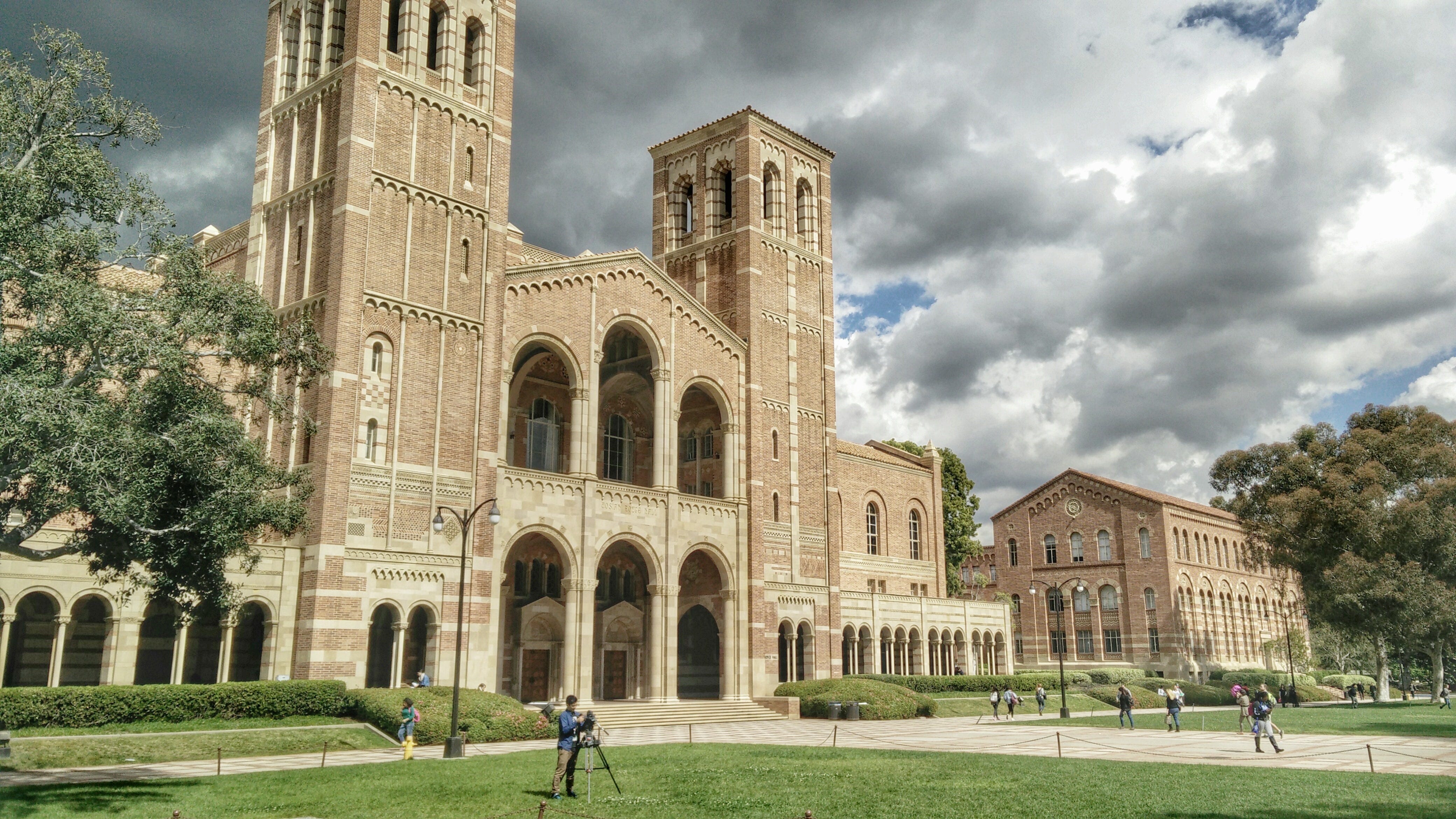
President Trump is turning his sights on public universities, with the University of California system now caught in the crosshairs.
After months targeting elite private schools, the administration has frozen more than half a billion dollars in federal research funds to UCLA amid allegations of antisemitism tied to 2024 campus protests. The Justice Department gave UCLA a hard deadline to negotiate or face a lawsuit, putting critical research and innovation at risk.
UC President James Milliken, just days into his tenure, agreed to talks but warned these cuts “do nothing to address antisemitism” and could be devastating for groundbreaking work vital to the economy and national security. Faculty and students are split: Some urge a legal fight to restore funding, arguing negotiations legitimize bad-faith federal pressure.
This crackdown extends beyond UCLA. The Justice Department is probing other UC campuses on potential civil rights violations, including hiring and admissions practices—despite California’s long-standing affirmative action ban. Recent settlements with private universities like Columbia and Brown hint at a broader campaign to reshape higher education by uprooting diversity and “woke” programs.
For a public university system educating 300,000 students and responsible for billions in federal grants, these battles aren’t just political—they threaten the future of American scientific research and academic freedom. As faculty and students rally, the question remains: Will UC stand firm or buckle under federal fire?
Read this and weep—the smartest mathematician in decades is rethinking his commitment to higher education because he won’t be able to do the important work that is necessary to take civilization forward in a meaningful way.

Source: The Wall Street Journal (gift article)