


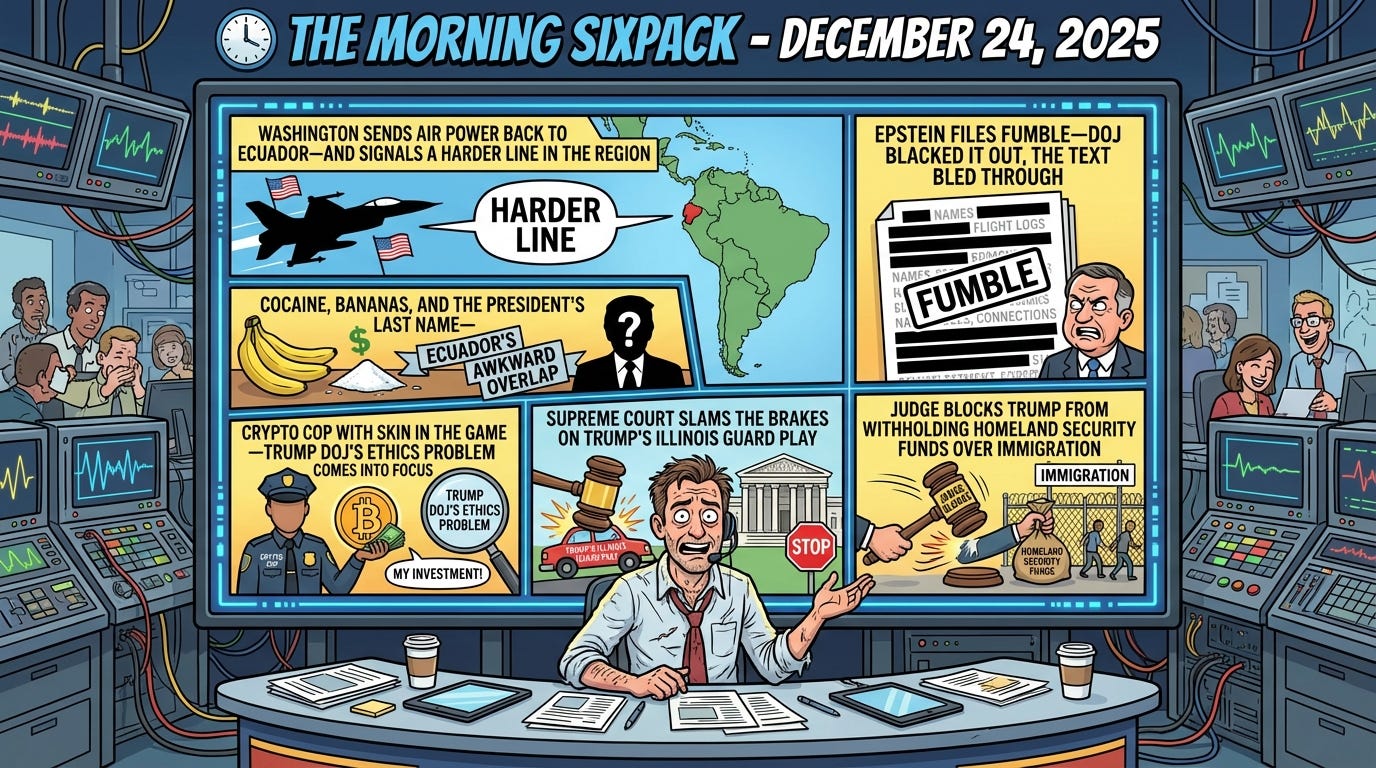
Washington Sends Air Power Back to Ecuador—And Signals a Harder Line in the Region
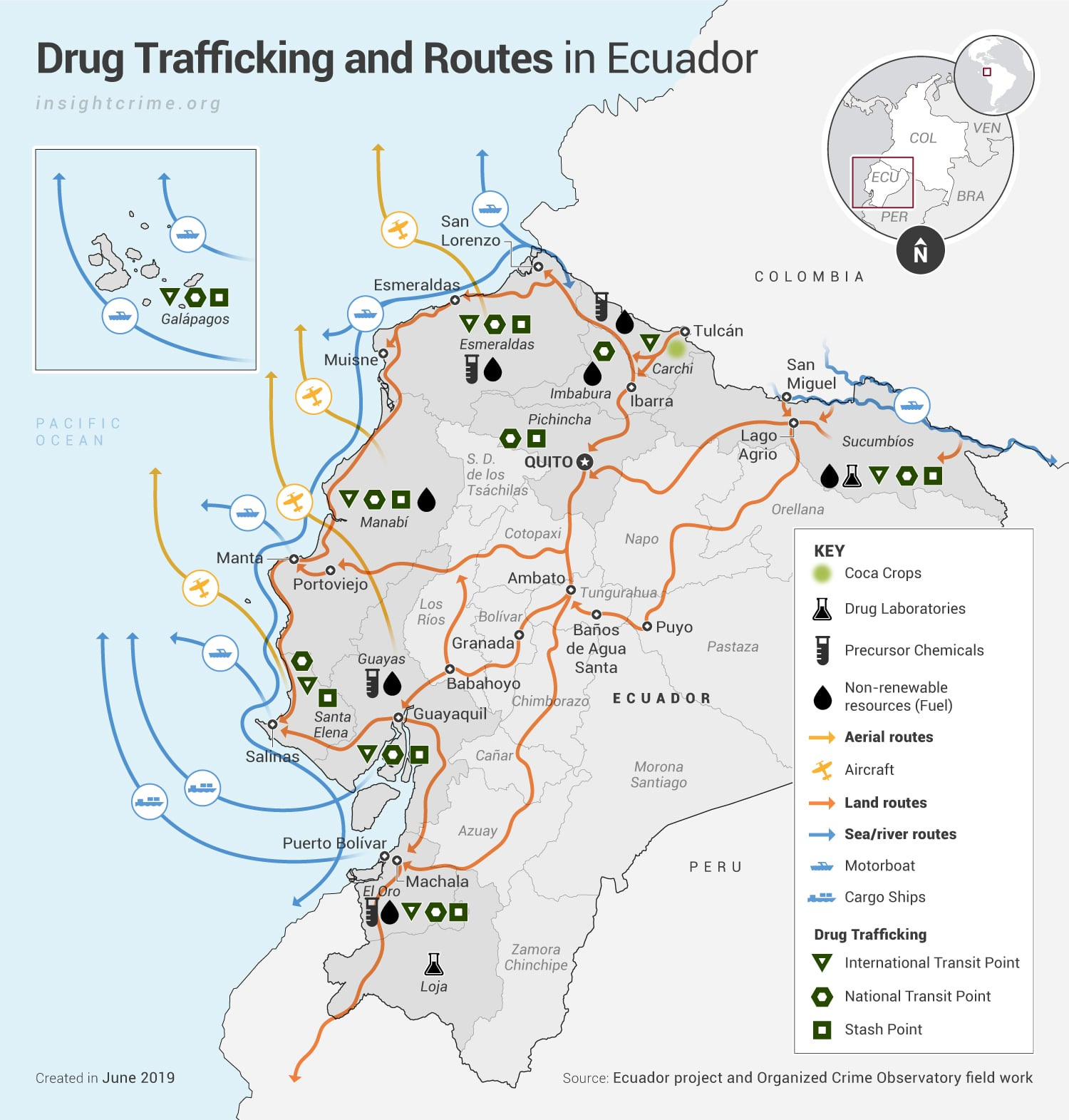
The U.S. is quietly putting boots and wings back in Ecuador, reopening a strategic air hub as Washington sharpens its anti-drug—and anti-Caracas—campaign.
The United States announced a temporary deployment of Air Force personnel to Ecuador, operating from Manta’s air force base—a facility the U.S. used for a decade before leaving in 2009. Officially, it’s about drugs. Politically, it lands in the middle of a widening standoff with Venezuela.
There’s a wrinkle: Ecuadorian voters just rejected lifting the ban on foreign military bases. Washington’s workaround is semantics and speed. According to the U.S. embassy, the deployment is a “temporary operation with the Ecuadorian Air Force in Manta,” framed as a short-term joint effort rather than a permanent return.
Here’s the money quote, intact and telling: the mission will “enhance the capacity of the Ecuadorian military forces to combat narco-terrorists, including strengthening intelligence gathering and anti-drug trafficking capabilities, and is designed to protect the US and Ecuador from the threats we share.” Translation: shared threats, shared runway.
President Daniel Noboa, a close ally of Donald Trump, is leaning in. He says the operation “will allow us to identify and dismantle drug trafficking routes and subdue those who thought they could take over the country.” With cartel violence surging and ports like Guayaquil and Manta now prime cocaine exits from Colombia and Peru, Noboa wants help—and fast.
This move fits a broader U.S. escalation: naval and air deployments across the region, interdictions at sea, and mounting pressure on Caracas, including oil shipping crackdowns. The message is unmistakable—Washington is done playing defense in Latin America’s narco corridors.
Source: Le Monde
Editor: Temporary, sure—like every “temporary” security mission that just happens to need a runway. Call it counternarcotics if you want; everyone else sees geopolitics taxiing for takeoff.
Now read the next story to see how Trump helped an actual drug kingpin (Noboa) smuggle drugs out of Ecuador… hilarious how the Trump regime so resembles the Keystone Kops…
Cocaine, Bananas, and the President’s Last Name—Ecuador’s Awkward Overlap
Ecuador’s anti-cartel president is discovering that family business records don’t disappear just because the campaign’s over.
During this year’s presidential debate, Daniel Noboa insisted he wasn’t personally involved with the banana company that bears his name. But corporate filings and even Ecuador’s own presidential website tell a more complicated story—one with deep family roots and lingering ties.
The Noboa business empire is run by the president’s father, Álvaro Noboa, a five-time failed presidential candidate who leads Noboa Corporation and Noboa Group. Those umbrella firms oversee a sprawling conglomerate that includes Noboa Trading—the same exporter linked to banana shipments later found carrying cocaine into Europe.
Before entering politics, Daniel Noboa worked at Noboa Corporation, becoming the company’s youngest-ever shipping director. At the time shipments flagged by investigators arrived in Croatia, Noboa Trading’s CEO was Roberto Jorge Ponce Noboa, a close family cousin, according to company records and local media.
Ownership trails lead offshore fast. Noboa Trading is controlled by Lanfranco Holding S.A. in Panama and Inmobiliaria Zeus S.A. in Ecuador, with additional layers tied to entities in the Bahamas. A 2015 document from the Pandora Papers shows Álvaro Noboa transferred Lanfranco to two sons—Daniel and Juan Sebastián—making today’s claims of distance harder to square.
While no criminal charges are alleged against the president himself, the web of family ownership—spanning shipping, packing, fertilizer, and logistics firms—underscores why Ecuador’s banana trade has become a favorite vehicle for traffickers. When the country’s most powerful political name is also one of its most powerful export brands, scrutiny isn’t optional.
Source: OCCRP
Editor: Running a war on cartels while your last name sits on half the shipping paperwork is a credibility problem—not a messaging problem. Ecuador deserves clarity, not corporate shell games.
Epstein Files Fumble—DOJ Blacked It Out, the Text Bled Through
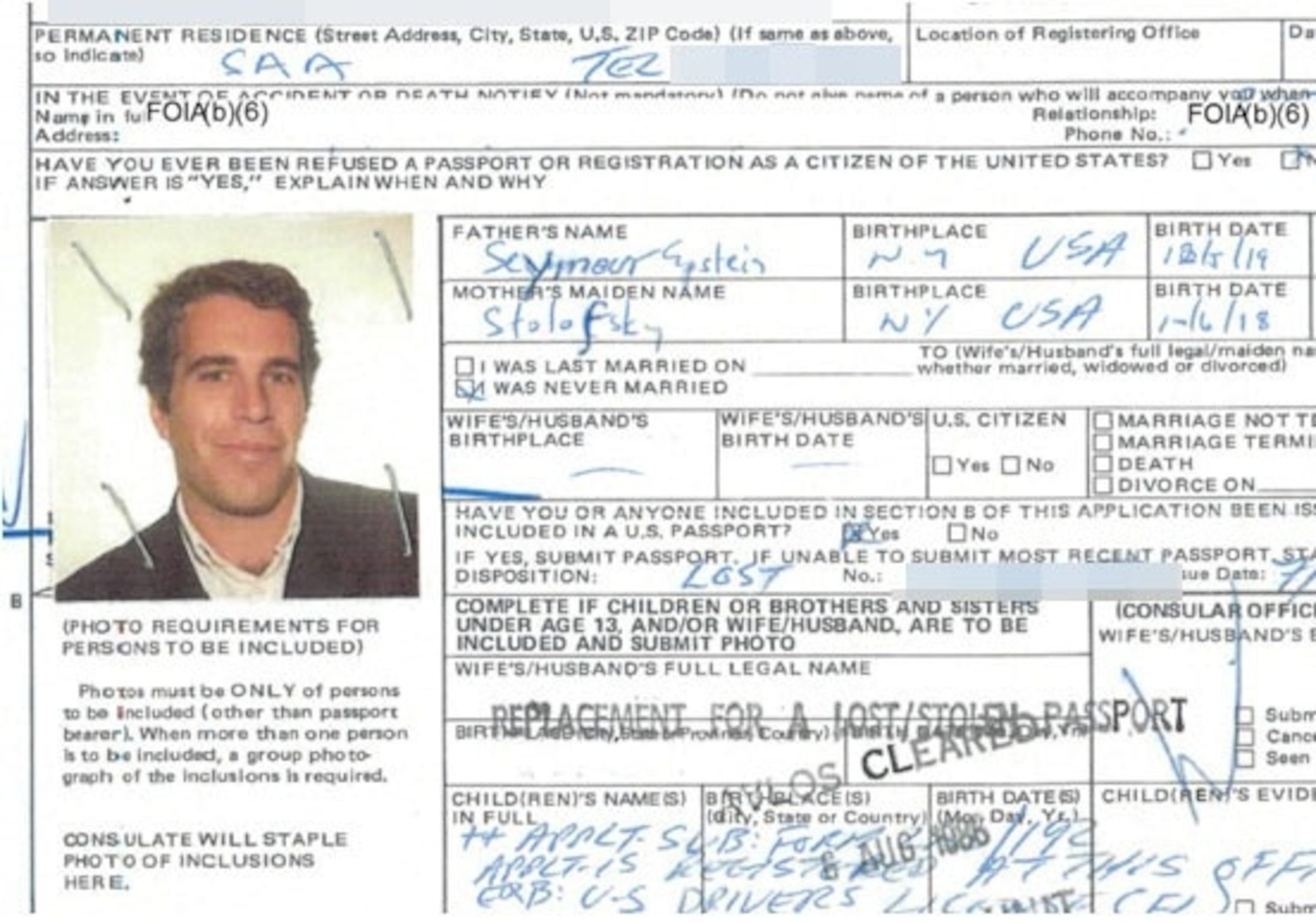
The Justice Department released redacted Epstein files so sloppy that anyone with copy-and-paste could read what was supposed to be hidden.
Portions of documents from the federal investigation into Jeffrey Epstein were not digitally redacted properly, allowing censored text to be revealed simply by copying and pasting it into another file. The mistake wasn’t theoretical—it worked.
The exposure, first reported by The New York Times, didn’t uncover new revelations about Epstein’s already well-documented social or political connections, including those involving Donald Trump. If you were hunting for a political bombshell, this wasn’t it.
What did surface were additional details about Epstein’s abuse patterns and how he shuffled money through layered financial and corporate structures—material that reinforces how methodical and protected his operation was. None of it should have been this easy to see.
The bigger issue is process. The ease with which the redactions failed strongly suggests parts of the document dump were rushed, with basic digital safeguards ignored by the United States Department of Justice. When handling material this sensitive, “close enough” isn’t close at all.
In a case defined by institutional failure—missed warnings, lenient deals, and delayed accountability—the last thing the DOJ needed was to look careless with the paperwork.
Source: The New York Times
Editor: When the government can’t even black out text correctly, it’s hard to take lectures about safeguarding victims or handling sensitive evidence seriously. Sloppiness isn’t transparency—it’s incompetence with a cursor.
Crypto Cop With Skin in the Game—Trump DOJ’s Ethics Problem Comes Into Focus
The Justice Department’s second-in-command was regulating crypto while still owning it—and ethics officials are calling foul.
Before Todd Blanche could take his post as the No. 2 official at the DOJ, he promised ethics lawyers he’d unload up to nearly half a million dollars in cryptocurrency. He also pledged to stay out of decisions that could affect his digital holdings. Then, about a month into the job—before selling—Blanche did exactly that.
Blanche, Donald Trump’s personal lawyer during his New York criminal trial, issued a sweeping memo shutting down Biden-era crypto investigations, disbanded the DOJ’s National Cryptocurrency Enforcement Team, and ordered prosecutors to stop pursuing crypto platforms. All while he still owned Bitcoin, Ethereum, Solana, and Coinbase stock.
Ethics experts told ProPublica the move violated both federal conflict-of-interest law and Blanche’s own ethics agreement. “If you are invested in that industry and now making a decision that could affect whether or not the DOJ is gonna pursue prosecutions, that’s an obvious conflict of interest,” said Virginia Canter, a veteran government ethics lawyer.
When Blanche finally divested, he didn’t sell everything off—he transferred large chunks of his crypto holdings to his adult children and a grandchild. Legal? Yes. Ethical? Not so much, according to former federal ethics officials, who say the spirit of the law is to avoid even the appearance of self-dealing.
Blanche’s case isn’t an outlier—it’s a feature of Trump’s second-term crypto embrace. ProPublica found more than 200 Trump appointees held up to $340 million in crypto at nomination, while the administration moves aggressively to weaken oversight and brand the U.S. the world’s “crypto capital.” Regulation by prosecution is out; regulation by personal portfolio is apparently in.
Source: ProPublica
Editor: If you have to promise you won’t regulate an industry because you’re invested in it, maybe you shouldn’t be regulating it at all—or gifting it to the kids and calling it clean. Ethics theater doesn’t count as ethics.
Supreme Court Slams the Brakes on Trump’s Illinois Guard Play
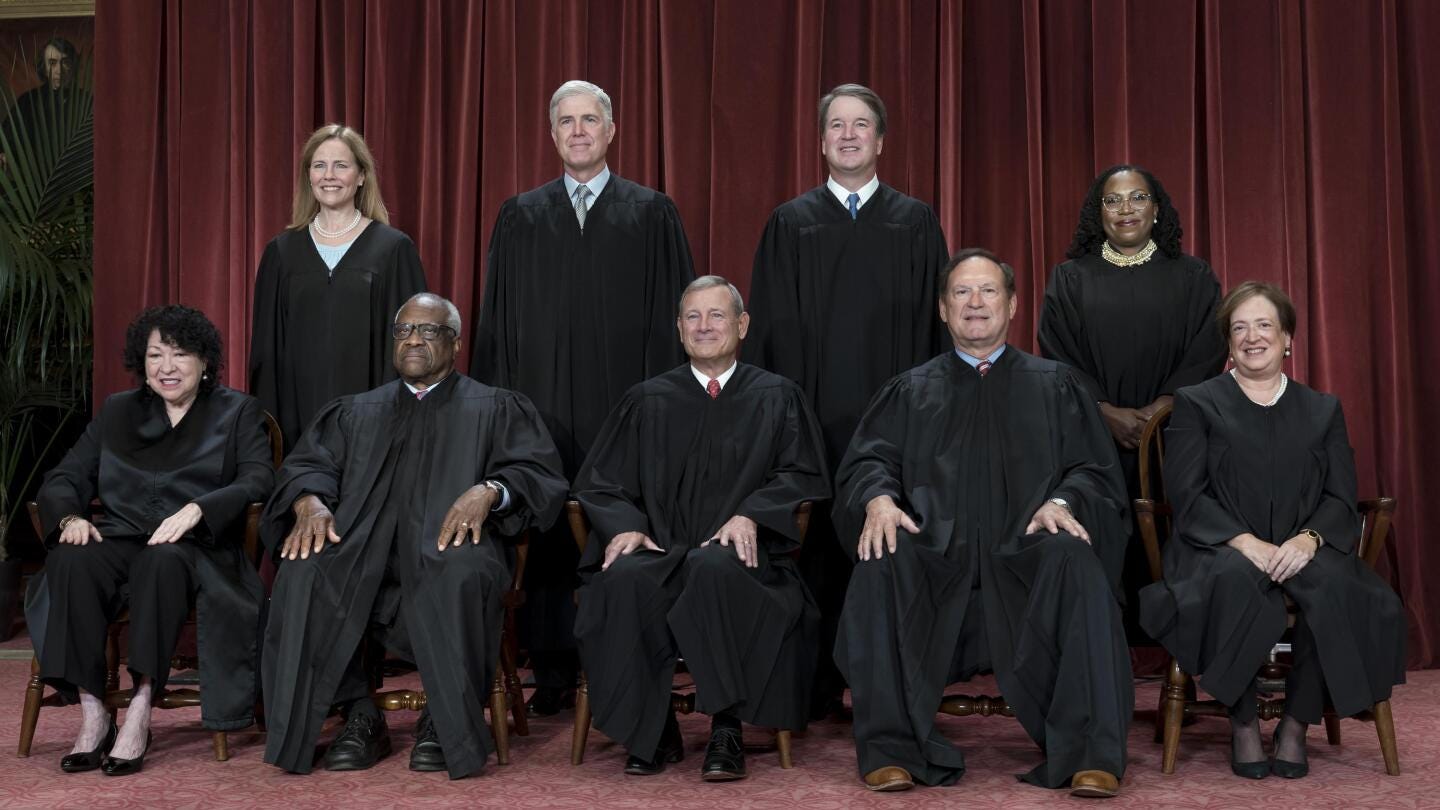
The Supreme Court just told Donald Trump he can’t just drop the National Guard into Illinois because he feels like it.
In a short but pointed order issued just before Christmas, the Supreme Court of the United States refused to let the Trump administration override a lower-court ruling blocking the deployment of National Guard troops to Illinois. At this early stage, the justices said, the government “failed to identify a source of authority” allowing the military to execute the law in the state.
The case grew out of Donald Trump’s October announcement that he would send Guard members into the Chicago area, citing crime and immigration enforcement. Illinois and Chicago sued immediately, and a federal judge barred the move—finding no rebellion, invasion, or breakdown of civil law enforcement that would justify federalizing state troops.
Three conservative justices dissented. Samuel Alito, joined by Clarence Thomas, argued the court was tying the president’s hands in protecting federal officers. Neil Gorsuch also would have sided with the administration, though on narrower grounds.
The majority, however, zeroed in on the statute Trump relied on—saying “regular forces” likely means the U.S. military, not civilian law enforcement. Since the administration hadn’t shown it was unable to enforce the law using actual military forces—or that it even had authority to do so—the Guard deployment didn’t pass legal muster.
The ruling also undercuts Trump’s broader strategy. Similar attempts to deploy the National Guard in places like Portland are now on shakier ground, making it harder for the White House to use troops as a domestic law-enforcement backstop in blue cities.
Source: SCOTUSblog
Editor: This wasn’t a close call dressed up as caution—the court basically told Trump that “Commander in Chief” isn’t a free-range permit for domestic troop deployments. Law still matters, even when the politics don’t cooperate.
The fact that this hasn’t been widely reported by the media is telling. Corporate media has been largely bought and paid for by tech broligarchs backed by the US president himself. This one is going to leave a long-lasting mark on American democracy.
Judge Blocks Trump From Withholding Homeland Security Funds Over Immigration
A federal judge just told the Trump administration it can’t strong-arm states by yanking security money over immigration politics.
A U.S. district court in Rhode Island shut down the administration’s attempt to divert Homeland Security funding away from states that refuse to cooperate with certain federal immigration enforcement actions. The ruling locks in a major win for a coalition of 12 states that sued after being warned their funding would be slashed for maintaining so-called sanctuary policies.
Judge Mary McElroy found that the United States Department of Homeland Security and Federal Emergency Management Agency improperly cut more than $233 million from states including New York, Massachusetts, Rhode Island, and Washington. The money comes from a $1 billion program meant to be allocated based on risk—not political compliance—and largely funds local police and fire departments.
McElroy didn’t mince words. She called the funding cuts “arbitrary and capricious,” noting that the suspiciously round-number reductions defied any rational formula. “Neither a law degree nor a degree in mathematics is required” to see the problem, she wrote, ordering DHS to restore the funds immediately.
The judge also pointed to real-world consequences, citing the recent deadly shooting at Brown University as exactly the kind of emergency these grants are designed to address. Holding counterterrorism and emergency-response funding hostage over immigration politics, she said, is not just reckless—it’s unlawful.
The Trump administration says it will fight the ruling, with DHS calling it “judicial sabotage.” State attorneys general fired back, saying the decision prevents Washington from punishing states for refusing to enforce a federal immigration agenda on the administration’s terms.
Source: AP News
Editor: Using counterterrorism and disaster money as an immigration cudgel wasn’t tough—it was sloppy. Judges notice when politics starts masquerading as math.
BONUS
TrumpRx Promises Cheaper Drugs—Economists Warn the Bill Doesn’t Just Disappear
Trump is selling cheaper prescriptions today—but economists say tomorrow’s cures may be the real price.
As Donald Trump rolls out his TrumpRx plan, the White House is touting deals with nine drugmakers to lower prices on select medications, paired with $150 billion in promised domestic manufacturing and research investments. The initiative leans heavily on “most favored nation” pricing, tying U.S. drug costs to those paid overseas—and funnels consumers through a government-run portal designed to bypass traditional pricing channels.
But economists aren’t buying the idea that lower prices are free. Michael Baker of the American Action Forum warns that government price-setting doesn’t reduce real costs—it just moves them. “This does nothing to address the overall cost of the drug,” Baker said, noting patients often pay later through narrower coverage, fewer options, or weaker innovation pipelines.
That concern hits hardest upstream. Mark V. Pauly of Wharton School of the University of Pennsylvania says permanent caps below market levels almost certainly reduce incentives for research and development. The exact damage is unknowable, Pauly admits—but the direction isn’t. Fewer drugs get made, and some never exist at all.
Supporters counter that Trump’s approach isn’t classic price control. Ed Haislmaier of The Heritage Foundation argues companies are trading lower prices for expanded access, tariff relief, or higher volume—meaning lost margins could be recouped elsewhere. Ryan Long of Paragon adds that squeezing foreign governments could shift more R&D costs overseas, lowering U.S. prices without killing innovation.
Still, the bet is obvious: immediate relief at the pharmacy counter versus long-term bets on future breakthroughs. Trump is wagering voters want the savings now—and that the innovation tab can be picked up later, somewhere else.
Source: Fox News
Editor: Lower prices feel great—until the next life-saving drug never makes it out of the lab. If innovation quietly dries up, today’s bargain starts looking a lot more expensive.