


Trump Unleashes a New Wave of Tariffs on 14 Countries
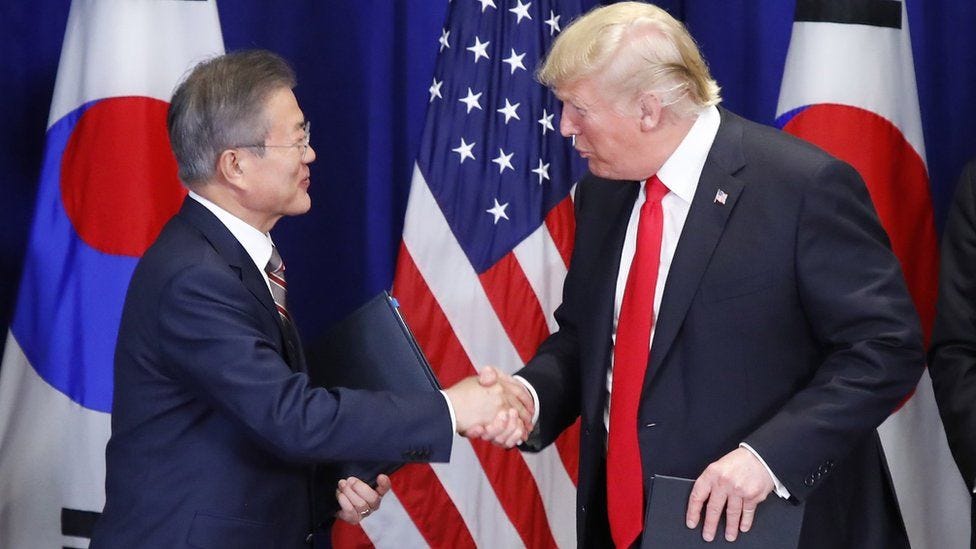
Brace yourself: Starting August 1, the U.S. is slapping hefty tariffs on imports from 14 countries, with rates soaring up to 40%. President Trump rolled out a series of stern letters this Monday, notifying leaders from Japan to Myanmar about the incoming duties meant to “correct” persistent trade deficits. The move extends the so-called reciprocal tariffs initially announced back in April but delayed to give some breathing room.
In his usual no-nonsense style, Trump posted the letters on Truth Social, setting tariffs ranging from 25% for imports from Japan and South Korea to a staggering 40% on goods from Laos and Myanmar. Notably, South Africa and Bosnia face 30%, while Cambodia and Thailand are hit with 36%. The administration made it clear that these blanket rates could be tweaked based on the “relationship with your Country,” adding a diplomatic wiggle room that feels more like a “maybe, maybe not” threat.
Markets didn’t take it lightly: The Dow fell over 422 points, the S&P 500 dropped nearly 1%, and the Nasdaq dipped as well, reflecting investor jitters about the escalating trade tensions. While Trump frames these tariffs as necessary to protect the U.S. from “being taken advantage of,” many experts have repeatedly questioned the obsession with trade deficits, pointing out that deficits aren’t inherently bad or fixable by tariffs alone.
Trump’s team also sent a not-so-subtle warning to these countries: Retaliate with tariffs on American goods, and the U.S. will just hike its rates even higher.
There’s a conditional olive branch too—if these countries eliminate their trade barriers, the U.S. “will, perhaps, consider an adjustment.”
Spoiler alert: this is less “open door” and more “keep your hands where I can see them.” The whole tariff saga remains tangled in legal battles and complicated trade negotiations, with few signs of a quick resolution.
Source: CNBC article on Trump tariffs and trade letters
Elon Musk Officially Breaks with Trump, Launches ‘America Party’ to Take on the Establishment
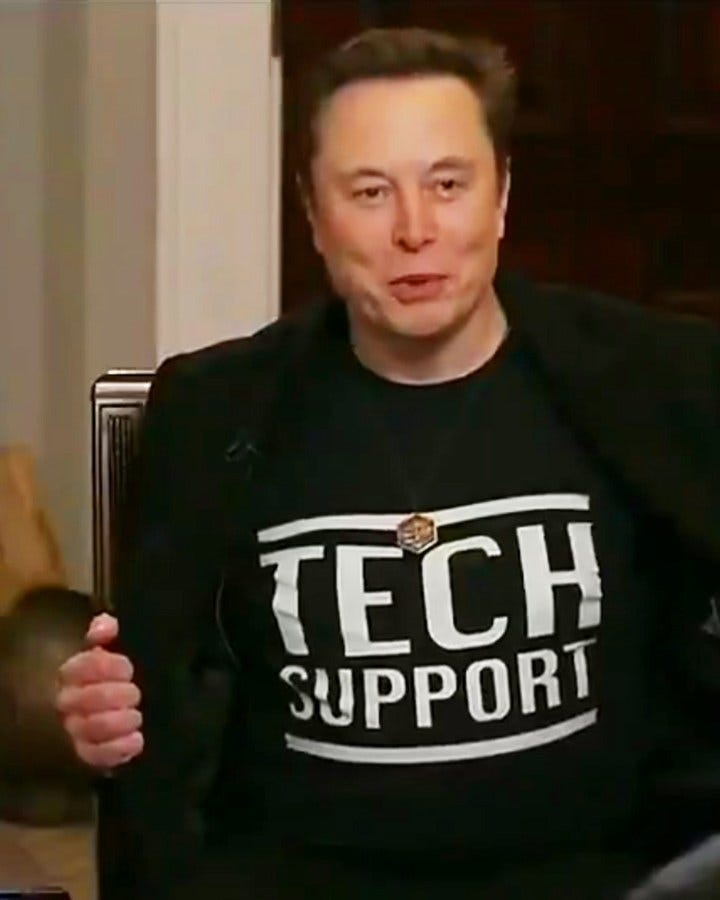
Elon Musk has officially declared he’s done with Trump and the old GOP, unveiling a new political party aimed at shaking up the whole system. Over the Fourth of July weekend, Musk turned up the heat on both Republicans and Democrats, promoting his “America Party” and reviving conspiracy theories accusing the Trump administration of hiding truths about Jeffrey Epstein.
The split came right after Trump signed a major domestic policy bill Musk opposed, rightly arguing it balloons America’s debt and undercuts his own cost-cutting reforms from his short-lived Department of Government Efficiency. In true Trump fashion, the former president fired back, threatening to investigate Musk’s government contracts and warning that Musk’s DOGE “may become a monster that may go back and eat Elon.”
Musk, who once called Trump his “first buddy,” posted a sad-face emoji after someone reminded him Trump had always planned to use him and drop him. Musk insists the America Party is necessary to fight the so-called “Republican/Democrat Uniparty,” aiming to focus on a handful of key Senate and House races where a few votes could tip the balance on major laws.
His strategy? “Extremely concentrated force at a precise location on the battlefield.”
There’s still no clear evidence Musk has filed official paperwork for the party, and some impostor filings have appeared, which Musk says he’ll report to the FEC. Meanwhile, Trump dismissed Musk’s efforts as a “train wreck” on Truth Social, while Musk responded by mocking the platform and distancing himself further from his former ally.
Musk also doubled down on his Epstein claims, even as the DOJ reaffirmed Epstein’s death was a suicide and debunked the long-rumored “client list.” Musk hasn’t directly accused Trump this time but did so briefly last month before walking it back after calls with Trump and his team. Yet for now, Musk still follows Trump and his top officials on X—so don’t count this breakup as totally final just yet.
Source: CNN article on Musk and Trump breakup
Federal Agents’ Show of Force at MacArthur Park Crumbles Into Confusion and Criticism
What was billed as a major homeland security crackdown at Los Angeles’ MacArthur Park turned out to be a confused, short-lived spectacle that left soldiers sweating in trucks and locals fuming. Internal Army documents reveal “Operation Excalibur” was a carefully planned but poorly executed attempt to demonstrate federal law enforcement power in a neighborhood described as a historic hotbed of gang activity and fake ID markets.
The mission’s ostensible goal was to disrupt the open-air sale of fake IDs fueling human trafficking and illegal immigration in the park, labeled by officials as the “founding location of MS-13.” Despite the “HIGH” threat assessment warning of possible lethal violence from entrenched criminal groups, the reality was far less dramatic. Coordination failures meant the military arrived late, spent just 24 minutes on site, and largely remained locked inside their trucks.
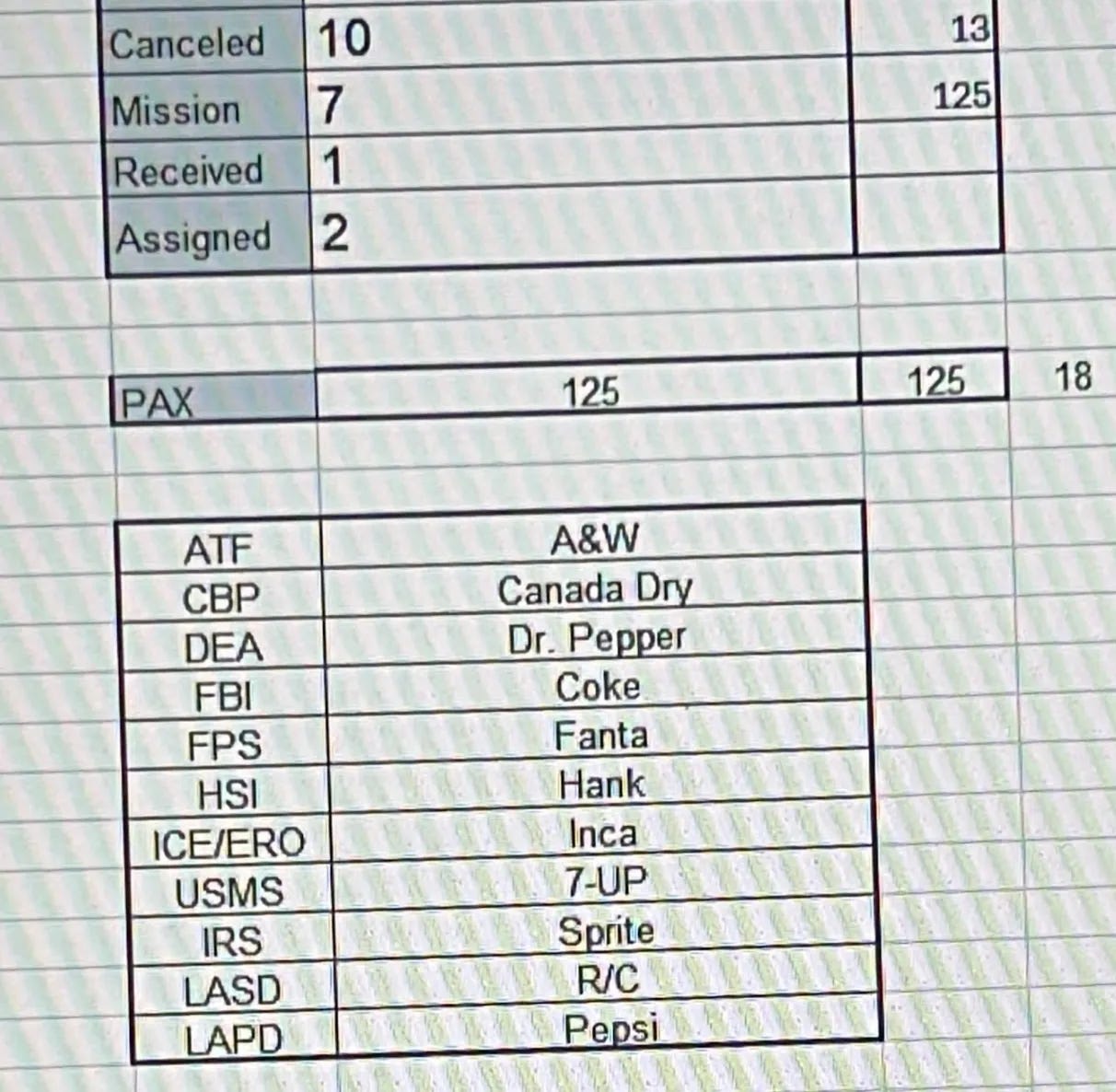
Nine federal agencies, codenamed after soda brands—except ICE, dubbed “Inca”—participated in the operation, creating radio chaos and a confusing interagency mess. Soldiers on the ground mocked the mission as an unnecessary and embarrassing show, with some comparing it to a failed overseas campaign rather than community policing.
Local leadership was openly hostile: Mayor Karen Bass demanded the federal forces leave immediately, calling the operation “unacceptable.” Even within the military ranks, there’s clear frustration that Washington’s top-down strategy clashes with the reality on the ground, where guardsmen want to be seen as community members, not “shadowy interlopers.”
Despite talk of establishing a “forward operating base” in the park, the idea keeps getting shelved amid skepticism and resistance. The whole operation feels less like a crackdown and more like a chaotic theater, leaving a bad taste for everyone involved.
Source: Ken Klippenstein’s exclusive on Operation Excalibur
Navy Federal Gets a Pass on $80 Million Overdraft Refund After Trump-Led CFPB Pulls Plug

An $80 million refund to servicemembers over illegal overdraft fees just vanished—thanks to the Trump-appointed head of the Consumer Financial Protection Bureau (CFPB) tossing out the case. What started as a crackdown on Navy Federal Credit Union’s shady “authorized positive overdraft fees” now looks like a gift to one of the nation’s biggest credit unions, reversing a Biden-era push for financial accountability.
The issue? Navy Federal was charging overdraft fees when a debit transaction cleared days after it was approved, hitting customers with fees they shouldn’t have paid between 2017 and 2022. The previous settlement called for a $15 million fine plus an $80 million refund pool for affected servicemembers. But now, under Russell Vought’s leadership—Trump’s budget director turned CFPB acting chief—that enforcement has been dropped, with Navy Federal “consenting” to the rollback.
Navy Federal, which serves 14 million members and manages $180 billion in assets (making it basically the 24th largest bank if it were classified as one), defended its overdraft practices as member-friendly and compliant with laws. Their spokesperson praised the CFPB’s decision, framing overdrafts as a preferable alternative to payday loans, which is a classic banking spin on nickel-and-diming customers.
This move fits a pattern: Vought’s CFPB has been systematically dismantling Biden-era protections by withdrawing enforcement actions against major financial players—even when those companies agreed to compensation deals. Despite public assurances that servicemembers’ finances remain a priority, actions like this raise questions about who really benefits from these “protections.”
The CFPB hasn’t commented yet on the withdrawal, but this looks less like consumer protection and more like regulatory rollback on the backs of everyday Americans, especially those who serve.
Source: AP News report on Navy Federal and CFPB
U.S. Treasury Yields Surge as New Tariffs and Supply Challenges Test Market Demand
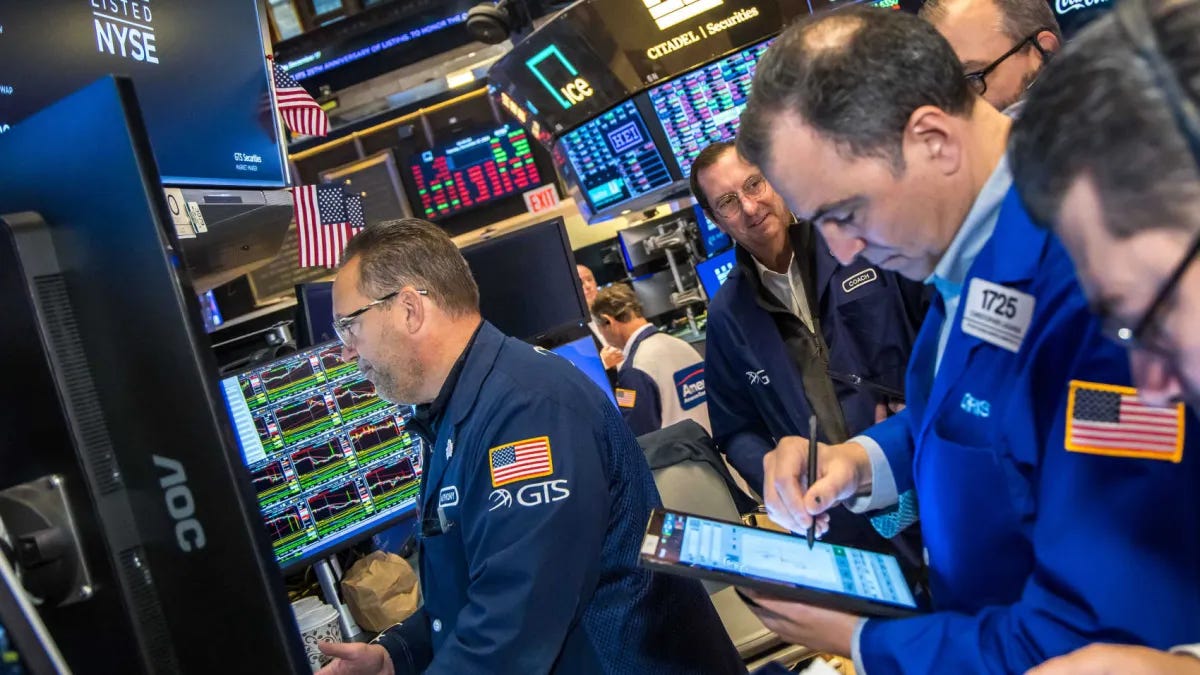
Brace yourself: Treasury yields just jumped again, rattled by fresh tariffs and mounting supply pressures following the latest tax and spending bill. Investors are wrestling with a perfect storm of rising government debt, inflation fears, and the fallout from newly imposed tariffs that complicate the economic outlook and shake confidence in the bond market.
The surge in yields reflects growing concerns that the government’s borrowing needs are ballooning even as supply chain bottlenecks linger, limiting the market’s appetite for Treasury debt. The tax and spending package passed recently adds fuel to the fire, increasing the federal deficit and national debt and leaving investors wary of where the dollars will come from.
On top of that, the reinstatement and expansion of tariffs on imports have introduced new uncertainty in trade flows and costs, adding a wild card to an already fragile economic environment. This combination of factors pushes bond yields higher as lenders demand better returns to compensate for increased risk and inflation.
While the Federal Reserve continues to signal caution in its rate policy, market dynamics driven by these external pressures make it clear that Treasury debt management is becoming more complex, and investors aren’t exactly lining up to buy at current levels. If this trend continues, borrowing costs could spike further, potentially impacting everything from mortgage rates to government spending.
The bigger picture? We’re seeing the economic tension of a nation grappling with fiscal policy choices, trade wars, and supply constraints all at once—and the bond market is sending a clear message: This balancing act is getting tougher by the day.
One thing nobody seems to be talking about is the fact that the U.S. Dollar has experienced its worst half year since 1973. (We remember what happened in that decade, right?) That falling dollar also causes rates to rise.
Source: MarketWatch report on Treasury yields and tariffs (gift article)
Japan’s $1 Trillion Promise to Trump Backfires as New Tariffs Loom
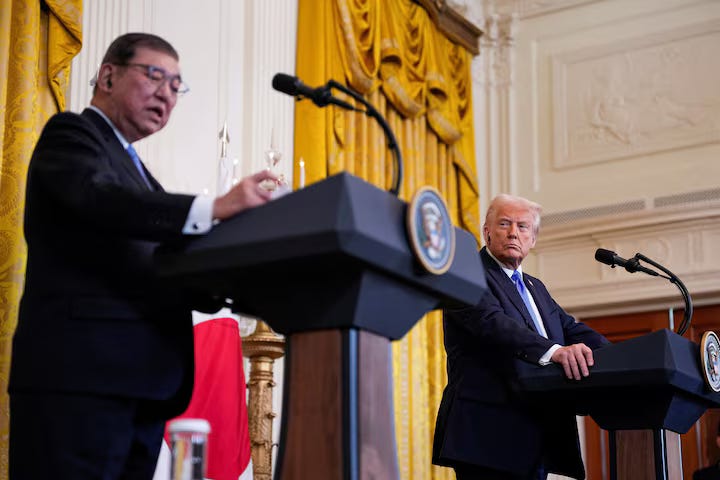
What looked like a winning trade deal between Japan and Trump has collapsed, leaving Tokyo facing 25% U.S. tariffs starting August 1. Japanese Prime Minister Shigeru Ishiba’s bold pledge to invest $1 trillion in the U.S. initially seemed to smooth over trade tensions, but months of tough negotiations and political pressure at home have left Japan scrambling and Trump visibly frustrated.
Behind the scenes, Japan’s negotiators stuck to their guns—avoiding politically sensitive import cuts like rice ahead of a tough July election. That gamble, however, didn’t pay off. Instead, the White House accused Tokyo of being “spoiled” for refusing to import U.S. rice, escalating the spat and prompting tariffs that threaten to squeeze the world’s fourth-largest economy (coincidentally, Japan is behind California in terms of the size of its economy).
Japan’s leaders are now caught between Washington’s demands and a restless public that’s growing impatient with the stalled talks. As Ishiba faces his shaky political future, key officials insist they want a “deal that benefits both countries” but refuse to back down on farm protections cherished by rural voters.
The automotive sector, a vital part of Japan’s economy employing millions and accounting for a fifth of exports, remains a major sticking point. Tokyo hopes for tariff relief there, but it’s clear that without compromise on agriculture, any broader trade agreement is hanging by a thread.
For ordinary Japanese workers like Hidetoshi Inada, the whole diplomatic dance feels like a frustrating exercise in futility. “The outcome is everything,” he said, and with tariffs now set to hit hard, the past promises are looking more like political theater than progress.
I hope you weren’t planning on buying a car or a large screen TV. Even if you were going to purchase an “American car,” we all know what happens when foreign goods’ prices go up: So too do domestic prices. We saw this a few years ago with washers and dryers.