

CBO: Trump’s Agenda Bill Would Pack an Extra $2.4 Trillion Onto the National Debt
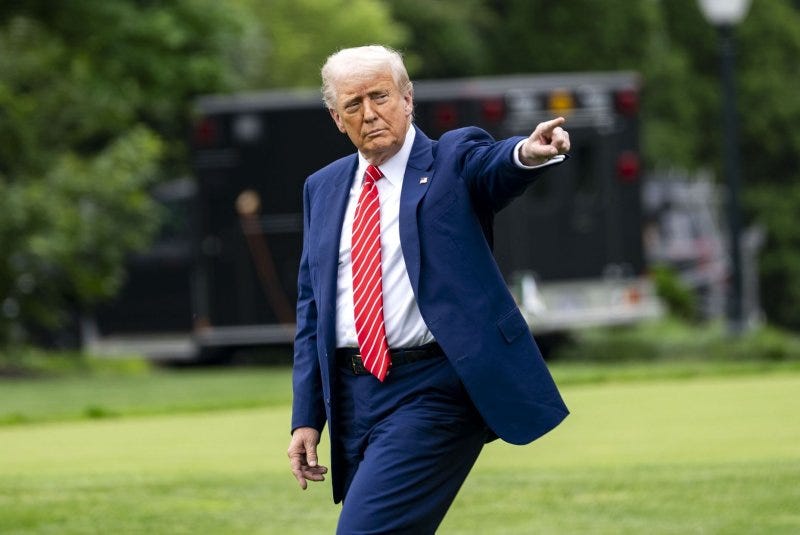
The nonpartisan Congressional Budget Office warns that the Trump legislative agenda bill approved by GOP House leaders would add more than $2.4 trillion to the national debt over the next decade.
That figure exceeds the CBO’s earlier projection of $2.3 trillion, reflecting adjustments made by House Republicans to satisfy members demanding higher state and local tax deductions and expedited Medicaid work requirements.
Over a ten-year span, the CBO and Joint Committee on Taxation estimate the bill would slash revenues by $3.7 trillion while trimming spending by just $1.3 trillion—resulting in a net increase to the debt of over $2.4 trillion. Those spending cuts hinge largely on reductions to Medicaid and the Affordable Care Act.
House GOP leaders altered the legislation after a holdout demanded a restored SALT deduction or faster triggers on Medicaid work rules. Those revisions helped lock in enough support to pass the measure through the House but also pushed up the overall cost.
The CBO cautions that, by 2034, roughly 10.9 million more Americans would be uninsured, even as gross benchmark premiums fall by an estimated 12.2%. Those insurance impacts stem from deep cuts to Medicaid funding and the ACA’s subsidies.
Now in the Senate—where Republicans hold only a three-seat majority—the bill faces uncertain prospects. Senator Rand Paul (R-Ky.) posted on X, “another $5 trillion in debt is a huge mistake,” while Senator Ron Johnson (R-Wis.) told CNBC, “This is immoral what us old farts are doing to our young people. This is grotesque,” and “I won’t vote for it.” With no Democratic support expected, Republicans must decide whether to revise the measure before a potential July 4th floor vote.
Source: UPI
Don’t believe for a single second that this bill will not increase yearly deficits by the TRILLIONS, adding over $12 trillion to the national debt over the next 10 years.
There. I said it. Let’s come back in 2035 and see who’s right.
More below.
Trump’s “One Big Beautiful Bill” Poised to Trip the Debt Alarm
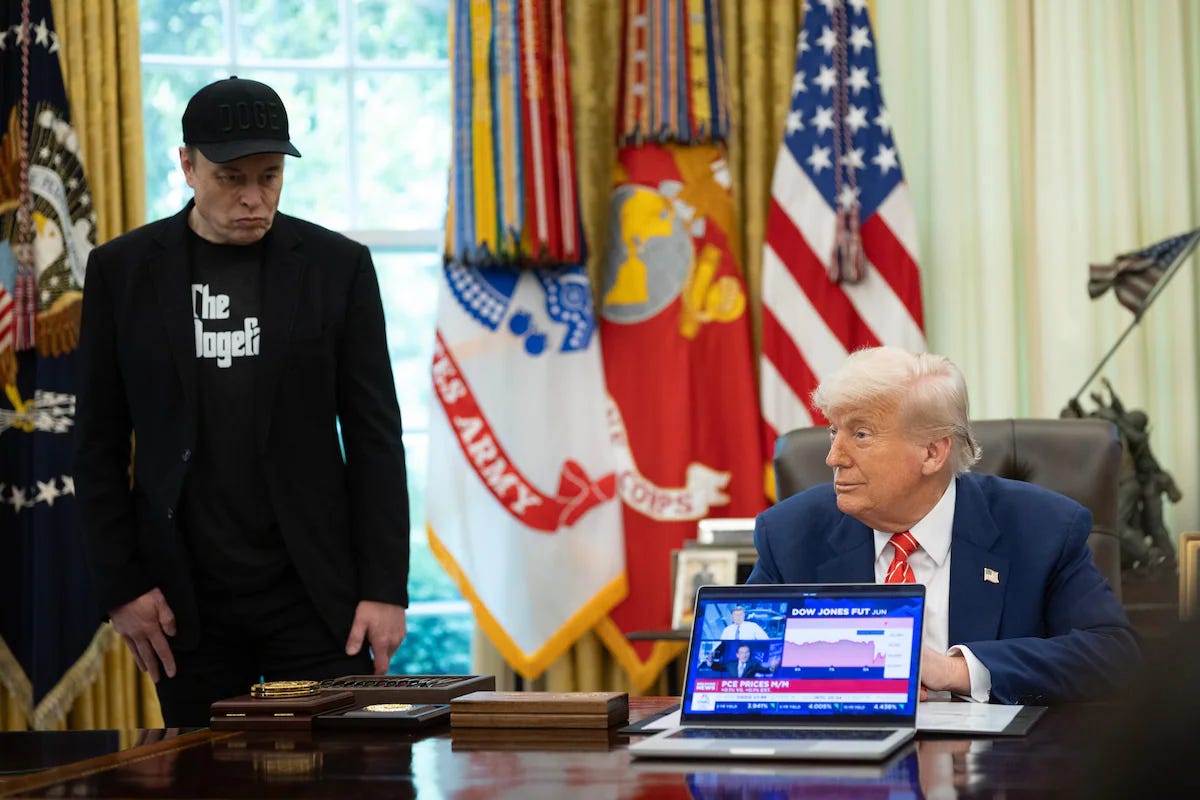
President Trump’s “One Big Beautiful Bill” would drive the national debt even higher, adding trillions over the next decade.
Despite pledges to rein in government spending, the plan extends costly 2017 tax cuts, expands deductions, and boosts enforcement budgets, widening the gap between revenue and outlays.
The White House predicts that economic growth will offset those losses, but independent analysts are unconvinced. Chris Rupkey, chief economist at FWD Bonds, warned, “This debt wave coming looks almost insurmountable. I’m not sure why [the Trump administration] is pushing it.”
Tariff revenue—a centerpiece of the administration’s cost-offset strategy—remains mired in legal challenge, and cuts to agency spending total just $163 billion, a drop in the bucket of a nearly $7 trillion federal budget. Social safety net programs like Social Security, Medicare, and Medicaid continue to drive overall spending, leaving little room for real savings.
Elon Musk slammed the proposal on X, calling it “a disgusting abomination” that would saddle the country with “crushingly unsustainable debt.” Meanwhile, Moody’s downgrade of U.S. credit reflects investor unease as yields on long-term Treasuries climb toward concerning levels.
With the debt already at $36.2 trillion, Senate Republicans face mounting pressure. Senator Ron Johnson (R-Wis.) bluntly told colleagues that the measure “does not do enough to reduce the deficit,” while Senate Majority Leader John Thune (R-S.D.) acknowledged heated discussions over the bill’s staggering price tag.
Source: Washington Post
Trump Bars New Harvard Visa Holders in Escalating Ivy League Showdown
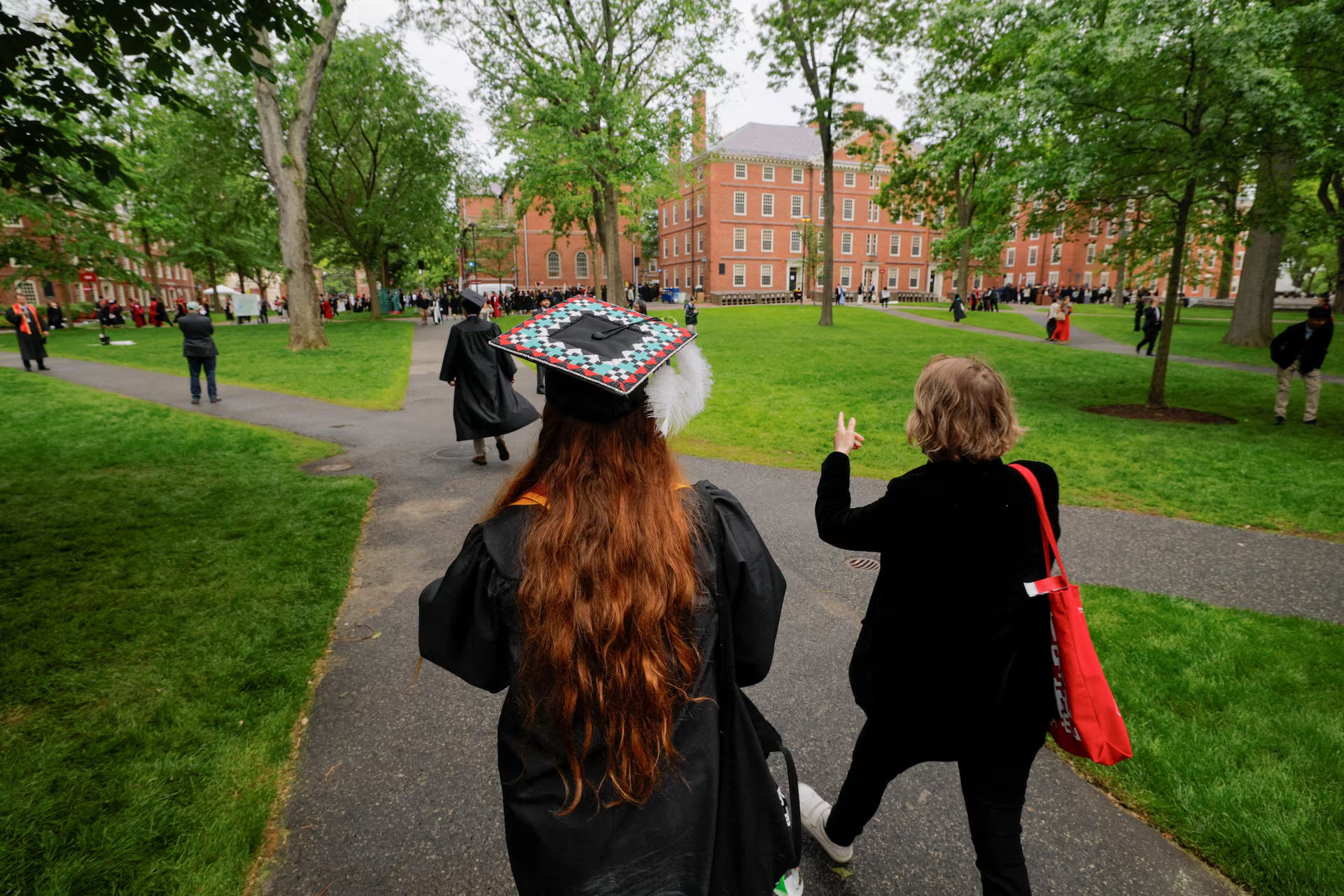
President Trump has barred foreign students from entering the United States to attend Harvard, citing national security concerns.
The six-month suspension targets anyone who would study or participate in exchange programs at the Cambridge institution, marking a dramatic escalation in the White House’s dispute with the Ivy League university.
Harvard blasted the proclamation as “yet another illegal retaliatory step taken by the Administration in violation of Harvard’s First Amendment rights,” and vowed, “Harvard will continue to protect its international students.” The university’s lawsuit challenges the administration’s efforts to revoke its Student and Exchange Visitor Program certification.
Last week, U.S. District Judge Allison Burroughs issued a preliminary injunction blocking the government from revoking Harvard’s ability to enroll international students. Despite this, the suspension can be extended beyond six months, and the State Department has been instructed to vet Harvard visa applicants more rigorously.
The proclamation accuses Harvard of “extensive entanglements with foreign adversaries,” citing warnings that adversaries exploit American higher education to steal research and spread misinformation. It also alleges that Harvard has failed to report dangerous activities by foreign students and neglected crime on campus.
This move follows broader punitive measures, including freezing billions in grants and proposals to revoke Harvard’s tax-exempt status. As both sides gear up for protracted legal battles, the fate of thousands of international students hangs in the balance.
Source: Reuters
Trump really has no idea what he’s doing.
Trump Revives Travel Ban, Blocking Entry from 12 Countries Starting Monday
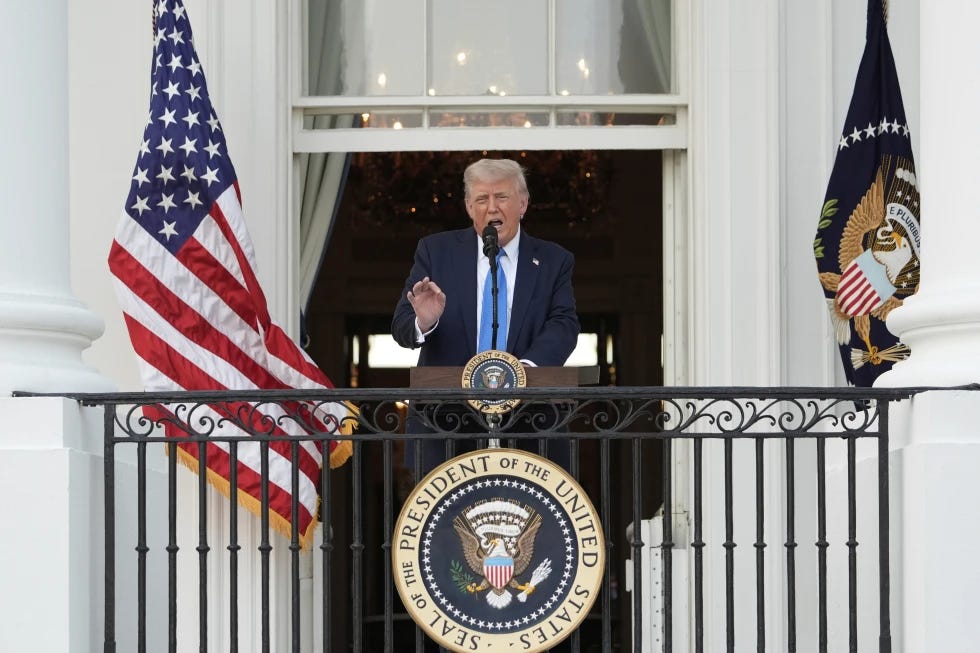
President Trump has reinstated a sweeping travel ban on citizens from 12 countries, mostly in Africa and the Middle East, effective Monday at midnight.
The move marks a return to one of his administration’s most controversial policies, this time with more legal backing after a Supreme Court ruling.
The banned countries include Afghanistan, Myanmar, Chad, Congo, Equatorial Guinea, Eritrea, Haiti, Iran, Libya, Somalia, Sudan, and Yemen. Seven additional nations—Burundi, Cuba, Laos, Sierra Leone, Togo, Turkmenistan, and Venezuela—will face heightened travel restrictions.
Trump tied the ban to concerns over visa overstays and national security, pointing to Sunday’s terror attack in Boulder as a stark reminder of risks posed by visitors who overstay visas.
“We don’t want them,” he said, citing Homeland Security reports on countries with high overstay rates.
The inclusion of Afghanistan sparked backlash from allies and veterans, as the ban excludes Afghans on Special Immigrant Visas but cuts off many others. Haiti was added due to instability and gang violence, while Iran and several Middle Eastern nations were singled out for terrorism links and ongoing conflicts.
Refugee advocates condemned the ban as divisive and harmful, arguing it targets communities seeking safety and opportunity in the U.S. This renewed travel restriction follows Trump’s January executive order requiring agencies to assess “hostile attitudes” and security risks from certain countries.
Source: AP News
Trump continues to build a metaphorical wall around the US. He is self-isolating the country. This will not turn out well.
Trump Orders Probe into Biden’s Presidency, Alleges Signature Abuse and Cognitive Decline
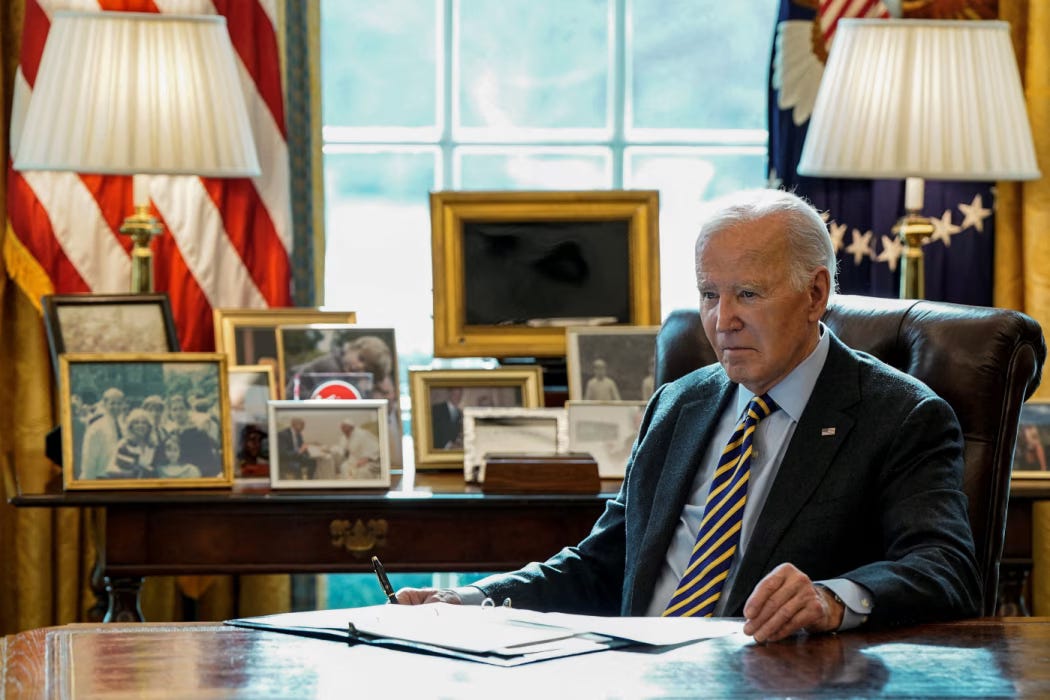
President Trump has launched an investigation into Joe Biden’s use of an autopen during his presidency, accusing Biden’s aides of hiding his “serious cognitive decline.”
The probe directs the White House counsel and attorney general to examine whether Biden’s team unlawfully concealed his mental state and misused presidential signature powers.
Trump’s allegation centers on the claim that Biden’s staff “abused the power of Presidential signatures through the use of an autopen to conceal Biden’s cognitive decline.” Autopens—machines programmed to replicate signatures—have been used historically by presidents and are legally valid for official documents.
Biden pushed back firmly, stating, “I made the decisions during my presidency… Any suggestion that I didn’t is ridiculous and false.”
He called Trump’s claims a distraction from Republican efforts to push legislation that would cut Medicaid and raise costs for families while favoring the wealthy.
While Trump has occasionally used the autopen for minor correspondence, he emphasized that he “almost never use[s] the autopen” for significant documents. The investigation follows Trump amplifying conspiracy theories about Biden’s health, including unfounded claims that Biden was replaced by a clone.
“This is nothing more than a distraction by Donald Trump and Congressional Republicans,” Biden said, highlighting the political context behind the probe as Republicans advance controversial tax and spending bills.
Source: Wall Street Journal (gift article)
All I have to say is this: It takes one to know one?
Pentagon Moves to Strip Harvey Milk’s Name from Navy Ship in Culture Clash

The Pentagon plans to rename the USNS Harvey Milk, removing the gay rights leader’s name amid a broader review of ships named after civil rights icons.
This decision is part of an internal push to align military assets with what Defense Secretary Pete Hegseth calls “the Commander-in-Chief’s priorities” and “the warrior ethos.”
The USNS Harvey Milk honors the late Navy veteran and San Francisco politician assassinated in 1978, but no timeline or replacement name has been announced. Other ships under review include vessels named after Thurgood Marshall, Ruth Bader Ginsburg, Harriet Tubman, and Cesar Chavez—figures celebrated for their civil rights and social justice legacies.
Democratic Rep. Nancy Pelosi slammed the move as a “shameful, vindictive erasure” of those who “fought to break down barriers.” She argued, “This spiteful move does not strengthen our national security or the ‘warrior’ ethos. Instead, it is a surrender of a fundamental American value.”
The renaming effort follows a series of Pentagon actions aimed at rolling back diversity, equity, and inclusion initiatives, including firing prominent Black and female officers and eliminating racial and gender-focused courses at military academies.
Secretary Hegseth recently asserted that admissions at service academies must focus solely on merit, warning that “selecting anyone but the best erodes lethality, our warfighting readiness, and undercuts the culture of excellence.”
Source: NPR