


FBI Nets NBA Figures in Illegal Gambling Sting
Veteran Miami Heat guard Terry Rozier and Portland Trail Blazers coach Chauncey Billups have been arrested in a sweeping FBI investigation into illegal sports betting and underground poker games.
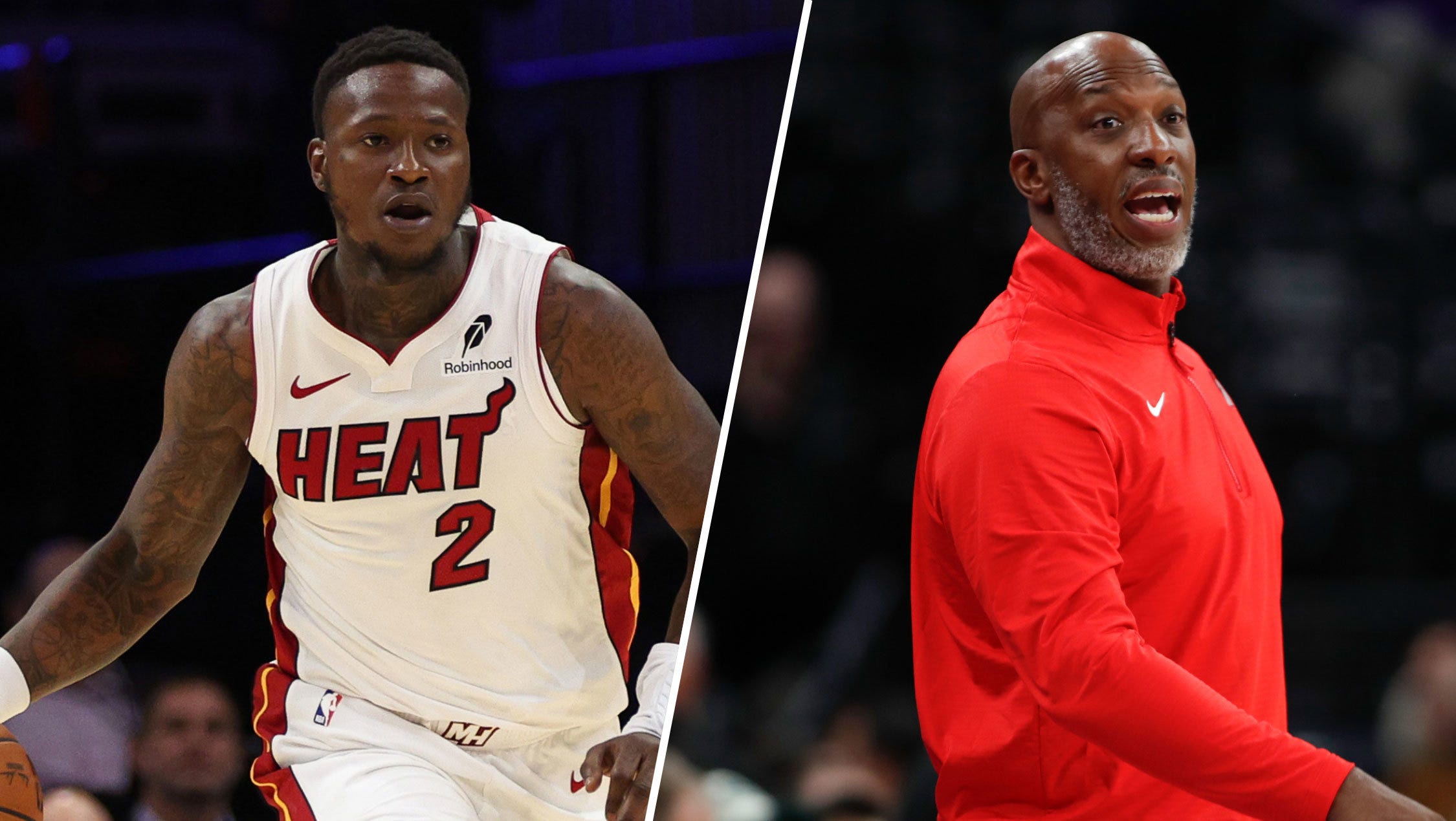
The arrests, confirmed by ESPN, The Athletic, and the South Florida Sun Sentinel, dropped hours after both men were involved in their teams’ season openers—Rozier sitting out in Orlando and Billups coaching from the sidelines in Portland. The Department of Justice says a Thursday press conference will reveal details of “numerous arrests in illegal sports betting and poker game schemes.”
Billups, who led the Blazers in their narrow 118–114 loss to Minnesota, reportedly returned to Portland unaware the FBI probe would turn public within 24 hours. Rozier, in contrast, didn’t play in the Heat’s 113–96 defeat to the Magic—a move that now looks far less like “load management” and far more like “legal management.”
U.S. Attorney Joseph Nocella Jr. of the Eastern District of New York will lead the DOJ briefing, joined by FBI Director Kash Patel. According to preliminary statements, the investigation involves two separate indictments connected to an extensive gambling network with alleged ties to professional sports.
Rozier, 30, is in the final year of a four-year, $96.2 million deal. Billups, meanwhile, has been under pressure in Portland amid a rebuild—but an FBI raid was definitely not what fans had in mind when they said they wanted “a shake-up.”
Source: UPI
Editor: Wild how the “integrity of the game” gets preached from every press conference podium while half the league apparently has DraftKings in one hand and Venmo in the other. The NBA’s got a gambling problem that even Adam Silver’s poker face can’t hide.
U.S. Debt Blows Past $38 Trillion as Washington Sleeps Through the Shutdown
While the federal government is shut down, America’s debt just blew past $38 trillion—a new record that screams fiscal denial on a national scale.

According to the Treasury Department’s latest report, the U.S. hit $37 trillion just two months ago, meaning we’ve added a trillion dollars in debt faster than at any point outside the COVID era. That’s a trillion in roughly 60 days—proof that Washington’s addiction to borrowing has gone from “unsustainable” to “why bother pretending anymore.” Editor: Welp, we re-elected the self-proclaimed “King of Debt” so what the hell did we expect?
Experts say this debt spiral isn’t just a spreadsheet problem. Kent Smetters of the University of Pennsylvania’s Penn Wharton Budget Model warned that growing debt “leads ultimately to higher inflation,” draining Americans’ wallets and pricing future generations out of homeownership. “That additional inflation compounds,” he said, eroding purchasing power year after year.
Meanwhile, the Trump administration insists it’s turning things around. Treasury Secretary Scott Bessent boasted on X that this year’s deficit—$468 billion from April to September—is the lowest since 2019. White House spokesman Kush Desai added that Trump has “reduced the deficit by $350 billion compared to the same period in 2024,” thanks to cuts, tariffs, and “boosting revenue.”
Michael Peterson of the Peter G. Peterson Foundation didn’t mince words: “Reaching $38 trillion in debt during a government shutdown is the latest troubling sign that lawmakers are not meeting their basic fiscal duties.” He warned that ballooning interest costs—expected to triple to $14 trillion over the next decade—will “crowd out important public and private investments,” strangling the economy for everyone else.
Source: AP News
Editor: At this point, America’s budget is less “fiscally conservative” and more “maxed-out credit card with a prayer.” Washington’s favorite pastime isn’t baseball—it’s kicking the can, and the can’s now the size of a Hummer.
Israel Takes First Step Toward West Bank Annexation as Trump Admin Voices Opposition
Israel’s parliament just took its first formal step toward annexing the occupied West Bank—territory the Palestinians claim for a future state—setting off alarms across the world and even drawing pushback from Washington.

The bill, which would extend Israeli law to the West Bank, passed its preliminary vote 25–24, one of four approvals needed to become law. It landed just as U.S. Vice President JD Vance visited Jerusalem—a not-so-subtle backdrop to the move—barely a month after President Donald Trump publicly declared that he “would not allow Israel to annex the West Bank.”
Prime Minister Benjamin Netanyahu’s Likud party didn’t back the legislation, which came from lawmakers outside his coalition. Still, some of his far-right allies, including National Security Minister Itamar Ben-Gvir and Finance Minister Bezalel Smotrich, voted in favor. A separate annexation bill focused on the Maale Adumim settlement also passed by a wider 31–9 margin, signaling that momentum for formal annexation is alive and well inside Israel’s political ranks.
The Palestinian foreign ministry swiftly condemned the Knesset’s move, saying Israel “will have no sovereignty over Palestinian land.” Hamas called the vote “the ugly face of the colonial occupation,” rejecting it as “invalid and illegitimate.” The U.N.’s highest court already ruled last year that Israel’s occupation of Palestinian territories, including the West Bank, is illegal and must end “as soon as possible.”
Netanyahu has been careful not to publicly commit to annexation after shelving the idea in 2020 to secure normalization deals with Gulf states under Trump’s Abraham Accords. But the latest vote—paired with growing domestic pressure from hardliners and foreign warnings from allies like the UAE—suggests that the political fuse has been lit once again.
Source: Reuters
Editor: Israel’s government keeps flirting with annexation like a pyromaniac playing with matches in a fireworks factory. One spark, and the whole region lights up—again.
Trump’s Sanctions Hit Russia Where It Hurts Most—Its Oil
The Trump administration just went for the jugular of Russia’s war economy, slapping sanctions on its two biggest oil giants, Rosneft and Lukoil, in a move that could finally choke Moscow’s cash flow.

For the first time since Trump returned to office, Washington and Europe are actually in sync, aligning to squeeze the Kremlin’s most vital industry. The sanctions, which also target the global “shadow fleet” of ships moving Russian oil, sent Brent crude up 5% overnight and rattled markets from Brussels to Beijing. As RBC strategist Helima Croft put it, this marks “the most material move to date by the U.S. to shutter the Russian war ATM.”
Rosneft and Lukoil together pump about half of Russia’s oil, meaning the penalties hit right at the heart of Putin’s war financing. Energy sales fund roughly a third of Russia’s federal budget, so even a temporary disruption could sting. Moscow’s economy—already sagging under high inflation, labor shortages, and wartime spending—is now staring down what one analyst called a “fiscal squeeze from hell.”
China blasted the sanctions as “illegal” and warned Europe to stop “harming China’s interests.” But even Beijing’s bluster can’t mask Russia’s growing desperation. The Kremlin insists it has “immunity to Western restrictions,” yet behind the tough talk, officials are quietly hiking taxes, draining reserve funds, and watching growth projections collapse from 4% last year to barely 1% now.
For Ukraine, this coordinated U.S.-EU pressure is long overdue. As President Volodymyr Zelensky put it in Brussels, “Russia doesn’t show that they want to stop this war. They attack us. This unity, this support—it matters.” The real question is whether these sanctions bite deep enough, fast enough, to matter before winter sets in.
Source: The Wall Street Journal
Editor: Putin’s war chest just sprang a leak, and Trump’s the one holding the drill. But let’s not kid ourselves—when oil’s involved, nobody’s hands stay clean for long.
Farmers Have Real Beef With Trump: Argentina Steak Deal Sizzles While U.S. Ranchers Fume
President Trump’s plan to quadruple the tariff-rate quota on Argentine beef has U.S. ranchers crying foul—and with good reason.
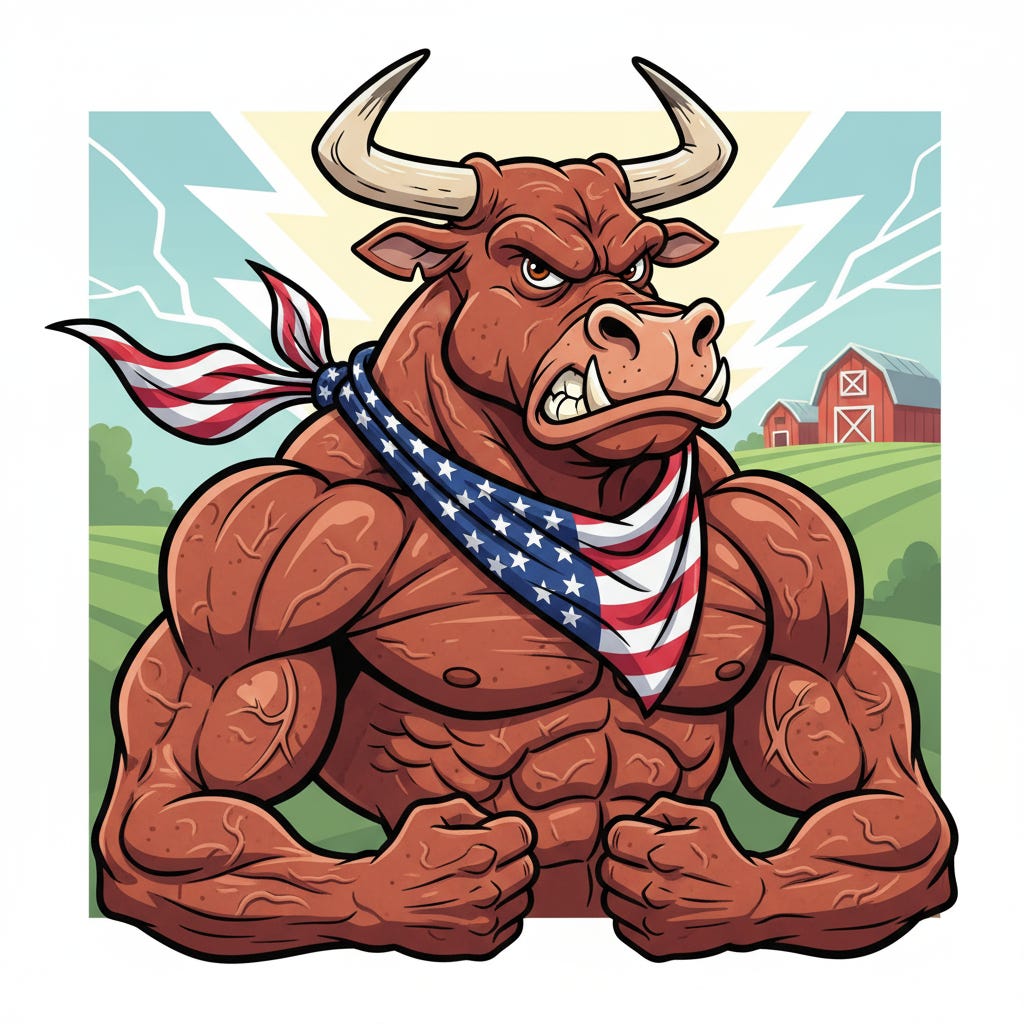
The administration announced it will boost Argentina’s duty-reduced beef exports to 80,000 metric tons, claiming it will lower record-high U.S. beef prices caused by tight cattle supplies and strong consumer demand. But for American ranchers, many of whom backed Trump politically, this feels less like a policy win and more like a gut punch. “A deal of this magnitude with Argentina would undercut the very foundation of our cattle industry,” said Justin Tupper, president of the U.S. Cattlemen’s Association.
Agriculture Secretary Brooke Rollins tried to calm the outrage, telling Fox Business that Trump is “very, very frustrated” about rising food prices and wants to “support both consumers and ranchers.” Meanwhile, the USDA announced a plan to rebuild the U.S. cattle herd—a fix economists say will take years to make a dent. Droughts, feed shortages, and higher costs have driven cattle supplies to their lowest point in decades, tightening the noose on ranchers long before Argentina entered the chat.
Argentina’s beef industry, of course, is thrilled. “It’s good news for the industry,” said Miguel Schiariti, head of Argentina’s Meat Industry Chamber, adding that Argentine beef “has very good press” and that the country is rebuilding its distribution chain in the U.S. Analysts note that most of this imported beef will be used for hamburgers or restaurant supply—not exactly what consumers will see in the supermarket meat aisle anytime soon.
White House officials insist the plan strikes a balance: short-term price relief for consumers and long-term support for U.S. producers. But critics say the math doesn’t add up. Cheaper Argentine imports might help restaurant chains pad margins, but they won’t make your next ribeye any cheaper—and they could drive American ranchers closer to bankruptcy.
Source: Reuters
Editor: Trump’s “America First” economic playbook apparently now includes outsourcing steak. Nothing says patriotism like undercutting your own ranchers to save a buck on a burger.
U.S. Expands “Narco-Terror” Murder Campaign Into the Pacific, Killing Three
The U.S. has carried out a second deadly airstrike on a vessel allegedly carrying drugs in the Pacific Ocean, marking a major escalation in Trump’s seaborne war on narcotrafficking.
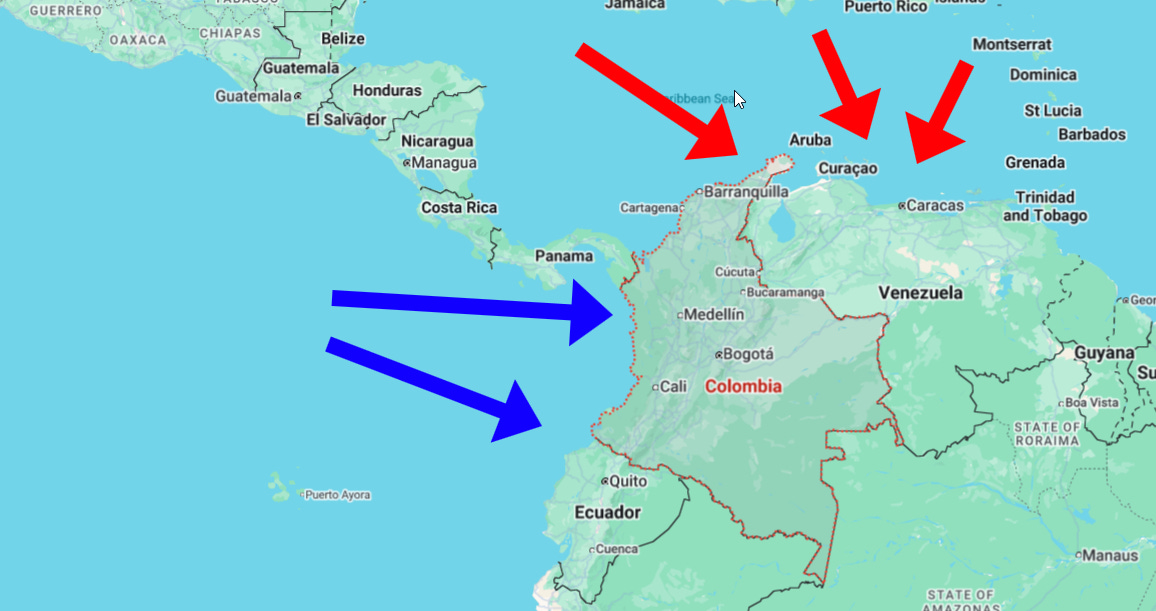
Defense Secretary Pete Hegseth confirmed that three people were killed and no U.S. personnel were injured in Wednesday’s strike, which followed another attack earlier in the day that killed two more. He declared the campaign would continue “day after day,” calling those targeted “narco-terrorists bringing death and destruction to our cities.” The Pentagon later released a video showing a small boat engulfed in flames, followed by a second airstrike on debris floating in the water.
Colombia blasted the move as a violation of sovereignty and international law. Deputy Foreign Minister Mauricio Jaramillo said the people aboard the vessel “had no possibility to defend themselves,” calling the strikes “disproportionate and outside international law.” He urged the U.S. to “cooperate with Colombia” rather than execute suspects at sea. Washington insists the operations are legal in international waters, but the White House admitted it may seek congressional approval if the campaign expands to land-based targets.
Analysts say the Pacific strikes mark a strategic shift: The region handles far more drug traffic than the Caribbean, making it a more logical but riskier theater. Still, many observers believe the broader goal isn’t just stopping cocaine but pressuring Venezuela’s Nicolás Maduro—Trump’s longtime adversary, who he’s accused of running a drug cartel himself. To date, at least 37 people have been killed in similar U.S. strikes on suspected drug vessels.
Both Colombia and Ecuador—whose coastlines are prime smuggling corridors—have publicly condemned the attacks. Yet the U.S. appears unmoved, maintaining a 10,000-troop deployment across the region as part of what increasingly looks like a quasi-military drug war conducted far from home.
Source: BBC News
Editor: The U.S. just turned “war on drugs” into literal war. Dropping bombs on fishing boats and calling it justice is the kind of mission creep that makes “collateral damage” sound like a policy goal.
Bonus
Big Tech and Wall Street Foot the Bill for Trump’s $300 Million White House Ballroom
Apple, Amazon, Microsoft, Meta, and a parade of corporate heavyweights are bankrolling President Trump’s new $300 million, 90,000-square-foot White House ballroom—a monument to opulence disguised as “private funding.”
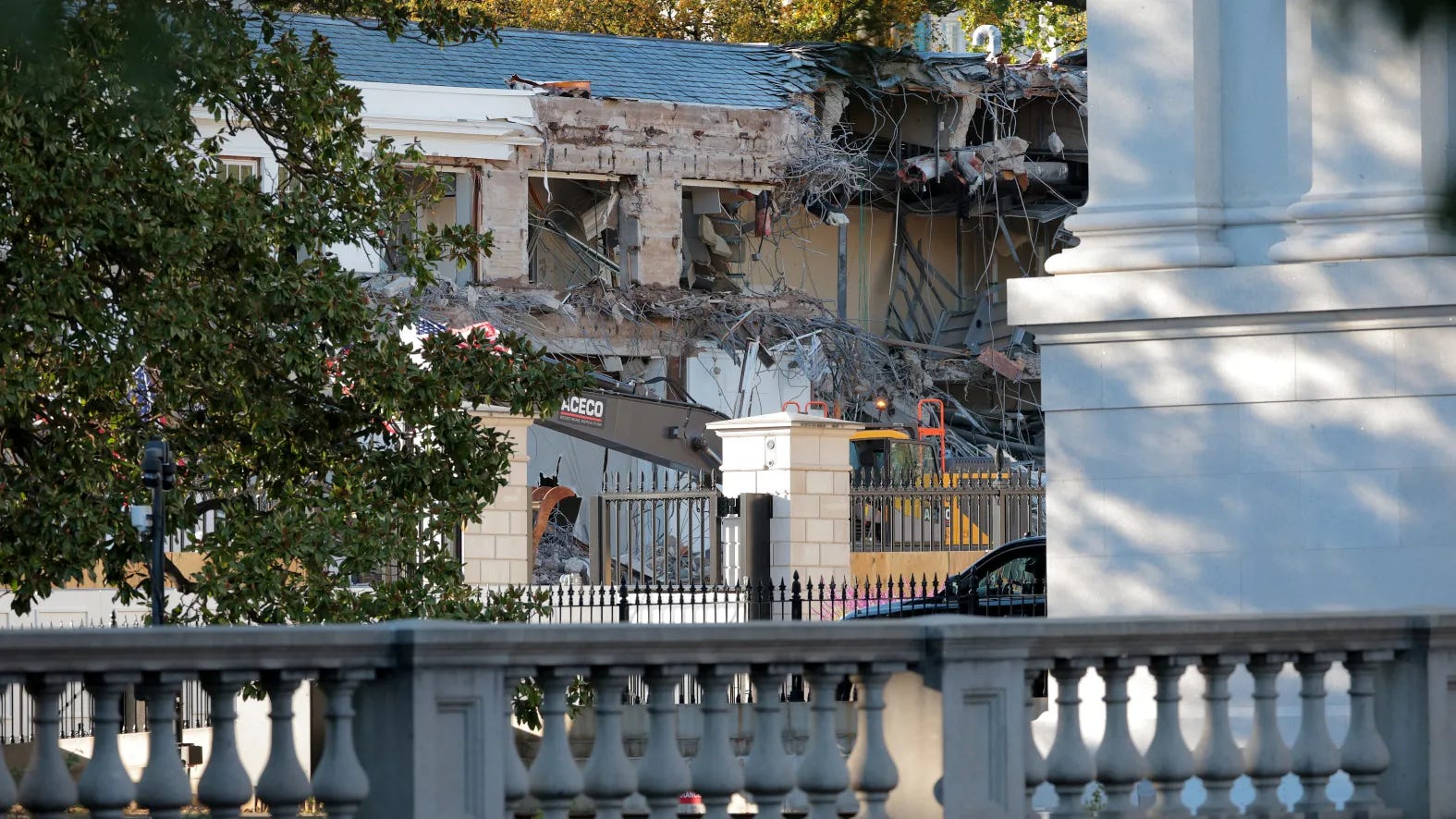
The administration insists taxpayers won’t pay a dime, claiming the lavish ballroom is fully financed by Trump and private donors. But the donor list reads like the Fortune 500 Christmas card: Apple, Amazon, Google, Lockheed Martin, Coinbase, Meta, Comcast, and T-Mobile—all chipping in for what Trump says will be “the most beautiful ballroom in the world.” The White House now pegs the cost at $300 million, up from an earlier $200 million estimate—because nothing says fiscal discipline like a nine-figure dance floor.
The lineup of donors includes everyone from crypto twins Tyler and Cameron Winklevoss to casino magnates, Wall Street financiers, and defense contractors. Commerce Secretary Howard Lutnick and his family joined the list, along with the Adelson family, whose late patriarch Sheldon Adelson was one of Trump’s biggest backers. Miriam Adelson—recipient of Trump’s 2018 Presidential Medal of Freedom—has once again opened her checkbook for the cause.
Critics say the donor list highlights how closely Trump’s political power remains intertwined with corporate influence. Tech giants that once distanced themselves from his rhetoric now appear eager to rebuild access, even if it means sponsoring a gilded monument to excess. The irony? Many of these same companies are laying off workers while writing seven-figure checks for marble columns and chandeliers.
For Trump, the ballroom isn’t just a building—it’s legacy architecture. A grand stage for state dinners, donor galas, and, no doubt, campaign celebrations. As the president put it, “This will be something nobody’s ever seen before.” That part, at least, might be true.
Source: CNN
Editor: Corporate America can’t resist cutting a check when the spotlight’s this bright. Big Tech funding Trump’s ballroom feels less like civic duty and more like buying front-row seats to the empire’s afterparty.