

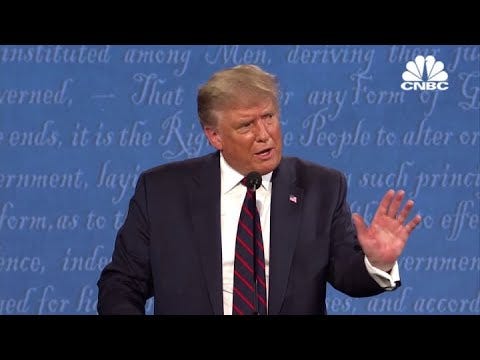

President Trump is preparing to assert federal control over Washington, D.C., vowing to clear homeless encampments and crack down on crime, with the National Guard on standby. Despite FBI deployments and rhetoric about a city “out of control,” crime data shows violent crime down 26% from last year. Critics argue the move is more about political optics than public safety, echoing Trump’s previous use of federal forces against local opposition.
Trump will meet Vladimir Putin in Alaska this week for talks on a Ukraine ceasefire—without inviting Ukrainian President Volodymyr Zelenskyy. Reports suggest the agenda favors Moscow, potentially requiring Ukraine to surrender territory. European officials are pushing for Zelenskyy’s inclusion, warning that any exclusion could fracture Western unity and embolden Russia.
In a rare arrangement, Nvidia and AMD have agreed to give the U.S. government 15% of their revenue from advanced chip sales to China as a condition for export licenses. The deal follows earlier sales bans and could cost the companies billions, with critics calling it a blend of national security policy and corporate shakedown. Supporters say it keeps Chinese firms tied to U.S. technology.
Vice President J.D. Vance has declared the U.S. is “done” funding Ukraine’s war effort, signaling a push for Europe to finance and arm Kyiv instead. The stance aligns with Trump’s campaign promise to end the conflict quickly, though his proposed peace terms—which may include territorial concessions to Russia—have been rejected by Zelenskyy and raised alarm among allies.
An Israeli airstrike in Gaza killed Al Jazeera correspondents Anas al-Sharif and Mohamed Qreiqeh, along with other journalists, in what the network calls a targeted assassination. Israel alleges militant ties, which the journalists and Al Jazeera deny. Press freedom groups and the U.N. condemned the strike as a violation of international law, noting this war is already the deadliest for journalists in modern history.
The Trump administration is asking the Supreme Court to allow immigration arrests in Southern California based on race, language, and job type—practices multiple federal judges have blocked as unconstitutional profiling. The administration argues these factors are valid enforcement tools, while critics say they amount to legalized racial targeting. A recent ICE raid in Los Angeles has already raised questions about compliance with existing court orders.


