


More than 80 Dead as Texas Flash Floods Devastate Summer Camp and Communities
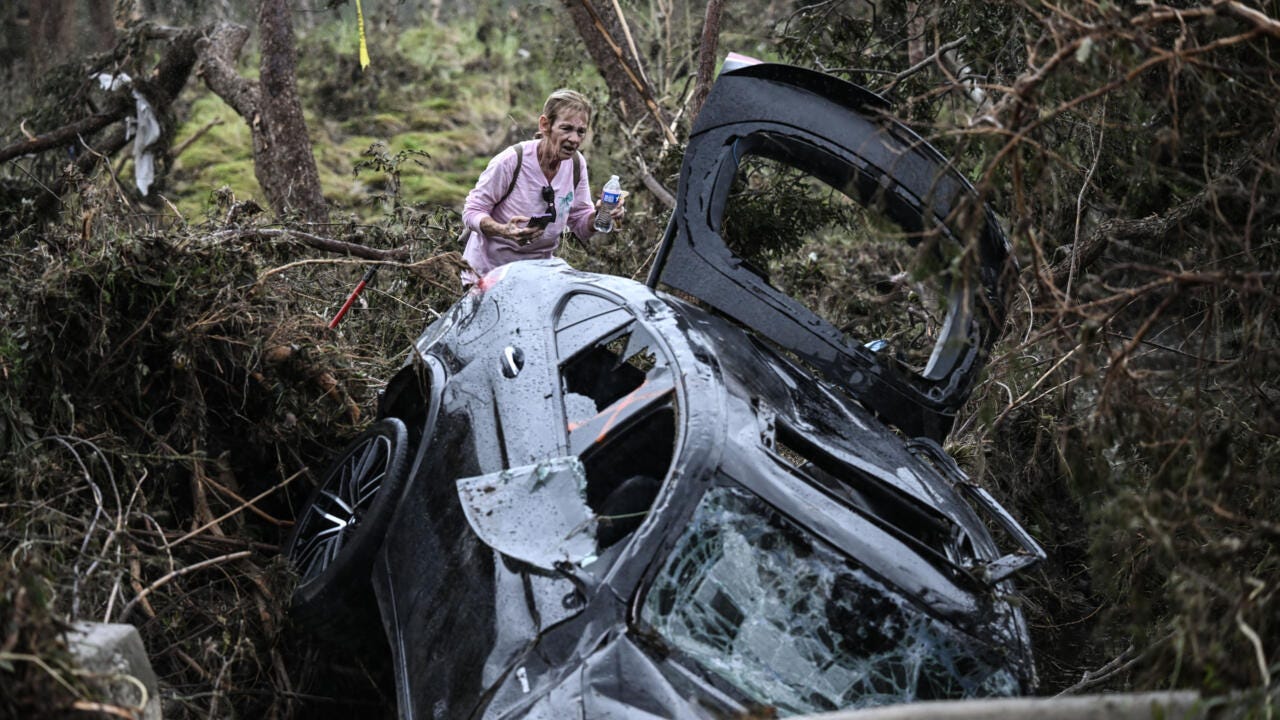
The floods that struck central Texas last Friday left a devastating trail of destruction and loss. In less than an hour, the Guadalupe River surged more than 26 feet, swallowing homes, roads, and Camp Mystic—a girls’ summer camp where 27 campers and staff have been confirmed dead.
Rescue efforts continue, but with heavy rains forecast, the region braces for more hardship.
The storm’s ferocity was fueled by a rare combination of weather patterns and geography. Remnants of Tropical Storm Barry combined with unstable, moisture-laden air and the hilly terrain of Kerr County, creating slow-moving, massive storm clouds that dumped relentless rain over the Guadalupe River basin.
This perfect storm led to flash floods that overwhelmed warning systems and devastated the area.
While multiple flood warnings were issued by the National Weather Service and Texas authorities, confusion remains over the effectiveness of these alerts. Some residents reported receiving warnings but not grasping the severity, while others say they received nothing. This has sparked questions about preparedness and funding cuts to agencies like NOAA under the Trump administration, which may have impacted flood response.
Amid the tragedy, heroic stories have emerged. Coast Guard rescue swimmer Scott Ruskan is credited with saving 165 lives, and camp counselor Emma Foltz evacuated 14 campers to safety. Local volunteers are providing food, shelter, and comfort, but the scale of the disaster has left Kerr County forever changed, with rescuers painstakingly combing through debris for survivors and victims.
As the search continues and more rain threatens, Texas officials vow relentless efforts to find the missing and aid the grieving. This catastrophe exposes not only nature’s fury but also cracks in disaster preparedness—lessons that Texas and other vulnerable regions must confront before the next storm hits.
Source: BBC News Live Coverage
Critical Staffing Gaps at National Weather Service Hampered Flood Coordination During Texas Disaster
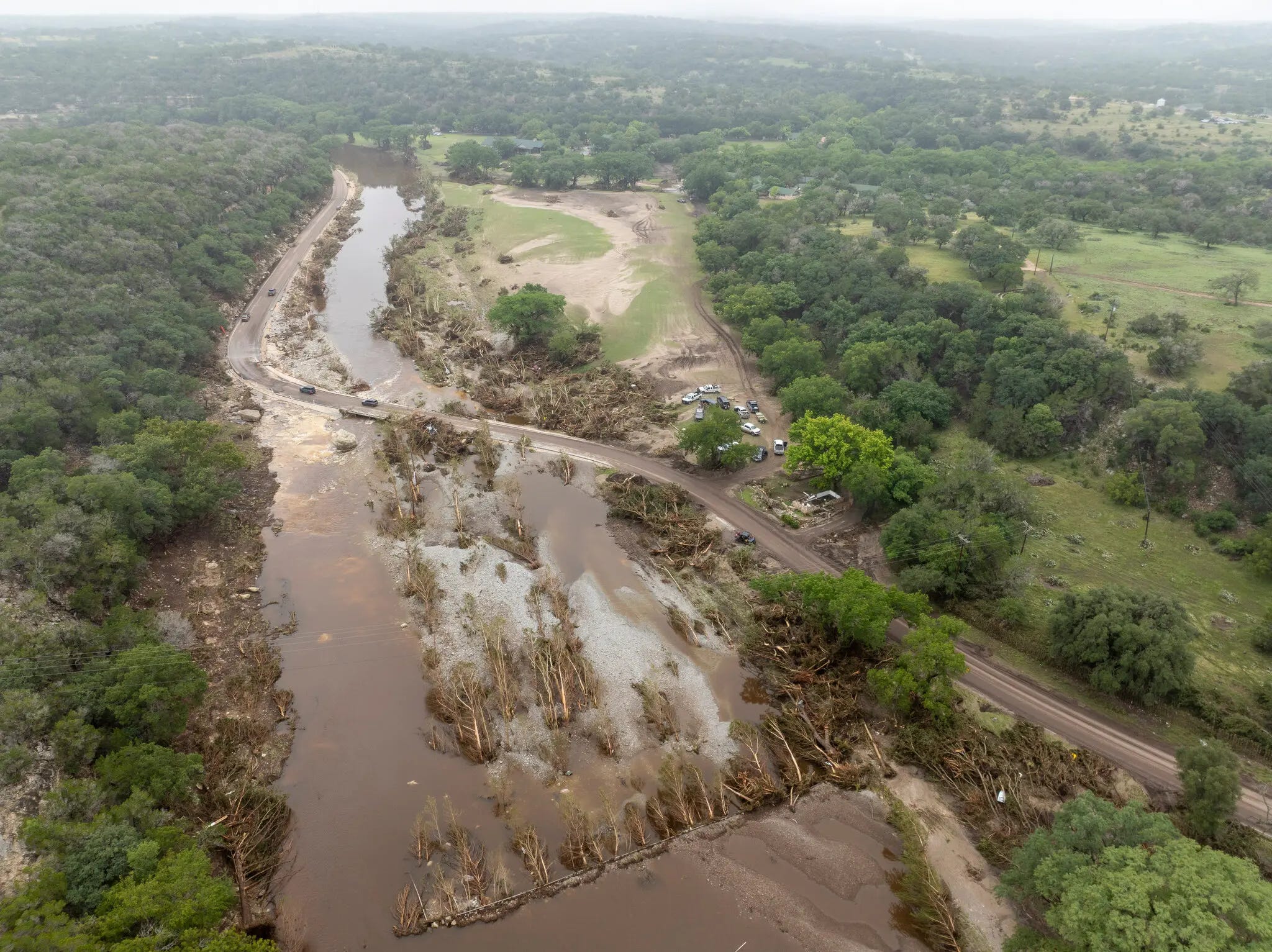
When central Texas was slammed by historic flash floods, crucial positions at local National Weather Service offices sat empty—potentially weakening communication and response efforts. Experts and former employees say these vacancies, worsened by staffing cuts and hiring freezes under the Trump administration, made it harder for meteorologists to coordinate with emergency managers as deadly waters rose.
Texas officials pointed fingers at the Weather Service for underestimating rainfall in forecasts issued days earlier. But former forecasters argue the real issue wasn’t forecasting accuracy but the loss of experienced staff who handle vital coordination during crises. The San Angelo and San Antonio offices, responsible for the hardest-hit areas, had multiple key vacancies, including senior hydrologists and warning coordination meteorologists tasked with liaising directly with local officials.
Kerr County, where most deaths occurred, lacked a local flood warning system altogether—something the county judge admitted was due to taxpayer resistance to new spending. This lack of infrastructure combined with reduced federal staff meant critical warning dissemination and evacuation planning were likely compromised when every second counted.
While the National Weather Service maintains it provided timely alerts and remains committed to its mission, the reality exposed by this tragedy is a cautionary tale about what happens when budget cuts and political priorities strip the boots-on-the-ground expertise that disaster response depends on. Former director Louis Uccellini notes that climate change is driving more extreme rain events, making the need for well-staffed, well-coordinated local forecasting teams more urgent than ever.
In short, the blame game misses the bigger picture: Underfunding and understaffing local weather offices has eroded the very systems meant to protect communities from precisely this kind of fast-moving disaster. Until that changes, Texans—and other vulnerable populations—will remain at risk.
Source: New York Times
Trump’s Federal Cuts Are Setting Texas Up for Disaster Amid Climate Crisis
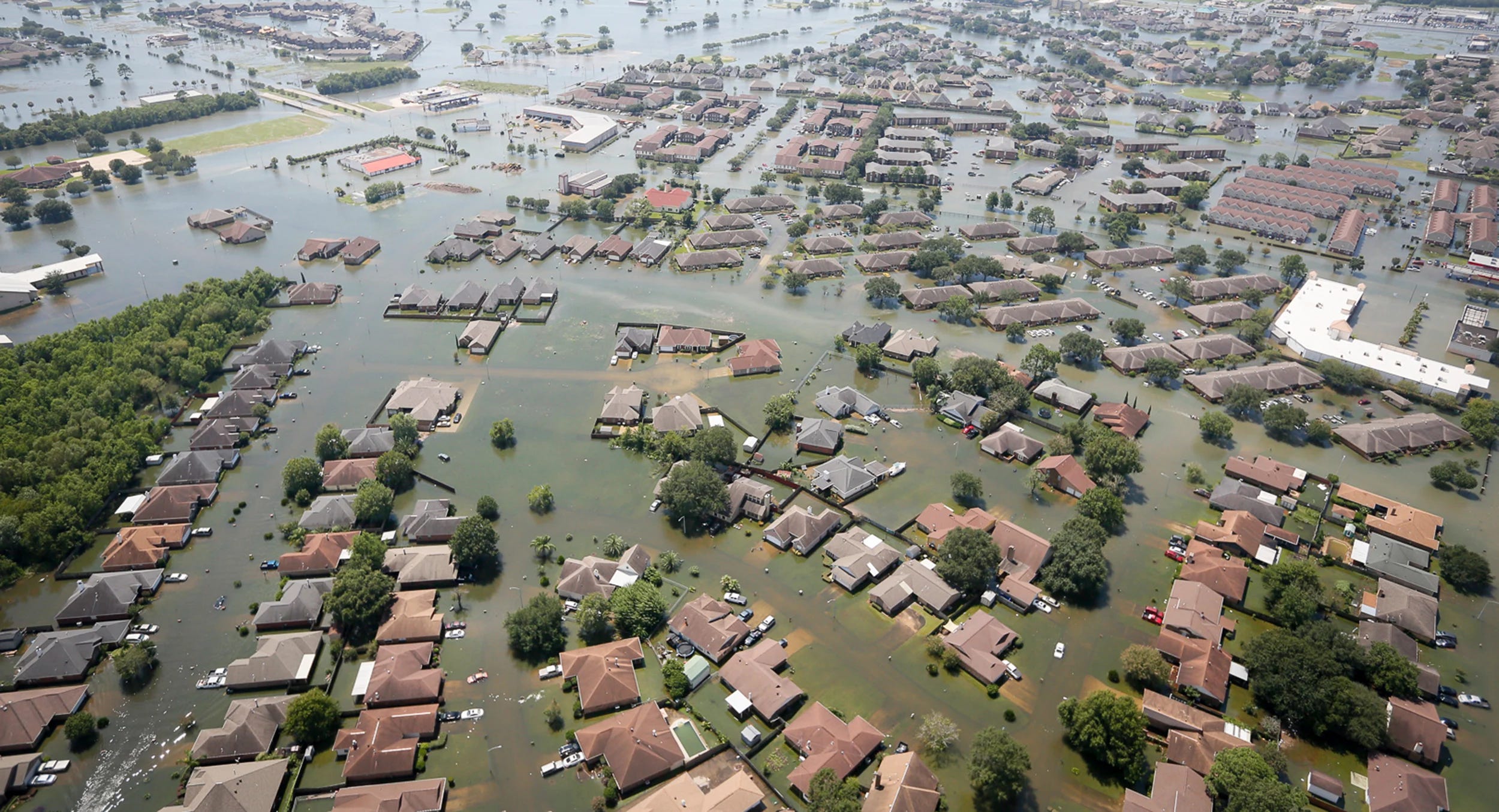
Donald Trump’s aggressive dismantling of federal disaster agencies is leaving Texas dangerously exposed to increasingly severe climate-driven storms and floods. While Texas faces record numbers of billion-dollar natural disasters, federal support from FEMA, HUD, and the SBA is being slashed just as the state’s vulnerabilities grow.
The Department of Government Efficiency (DOGE), a Trump-era creation, has cut about 20% of FEMA’s staff and frozen its funds, with Trump signaling plans to phase out FEMA entirely by year’s end. That’s a disaster waiting to happen in a state where disaster response is often politicized and underprepared.
Texas’s ambitious coastal defense projects, like the Ike Dike, face skyrocketing costs and uncertain federal funding. Meanwhile, scientific agencies like NOAA—critical for storm prediction and coastal risk analysis—are being gutted, putting vital climate resilience efforts in jeopardy.
What makes this worse is Texas political leadership’s refusal to even name climate change as the root cause of these disasters, let alone enact policies to mitigate the risks. This denial is costing lives and property, as the state sidelines itself in national efforts to secure necessary resources.
Bottom line: The perfect storm of federal budget cuts, scientific gutting, and political denial means Texas is being left to fend for itself against an onslaught of worsening climate disasters—and that’s a losing bet for everyone involved.
Source: Texas Observer
Elon Musk Sparks MAGA Meltdown Over DOJ’s Epstein “No Client List” Conclusion
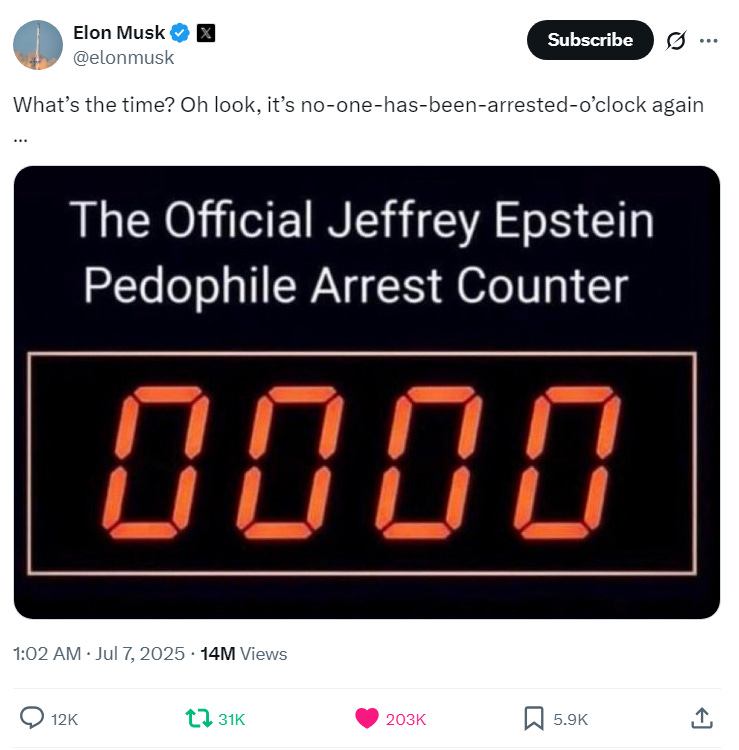
Elon Musk lit the fuse on a right-wing freakout after the DOJ and FBI declared there’s no evidence of a Jeffrey Epstein “client list” linking prominent figures to the sex trafficking case. This latest twist has left MAGA loyalists furious and conspiracy theories swirling, especially since Trump supporters hoped new bombshells would emerge now that Trump’s back in office.
Federal agencies are preparing to release video footage confirming Epstein’s death by suicide in jail, shutting down decades of “Epstein didn’t kill himself” theories pushed by Trump allies like Kash Patel and Dan Bongino. Yet, Musk called out the DOJ on X, posting a meme mocking the absence of arrests: “What’s the time? Oh look, it’s no-one-has-been-arrested-o’clock again.”
Former Attorney General Pam Bondi took heat for backtracking on her earlier claim she was reviewing an Epstein client list “sitting on my desk,” fueling accusations of lies and cover-ups from voices like Robby Starbuck and Laura Loomer. The DOJ has promised to release all files but so far has only leaked previously known documents, leaving skeptics unsatisfied.
Meanwhile, the feud between Musk and Trump has only deepened, with Trump branding Musk a “train wreck” for his push to launch a third political party amid ongoing tensions over Trump’s “Big Beautiful” bill. The Epstein saga, once again, has become a lightning rod for the wider MAGA chaos and distrust.
In the end, this latest development underscores how Epstein’s legacy remains a political football, weaponized by factions seeking power or distraction—while the public is left chasing shadows instead of answers.
Source: The Daily Beast
Trump’s “Most Popular Bill Ever” Claim Collapses Under Polling Reality
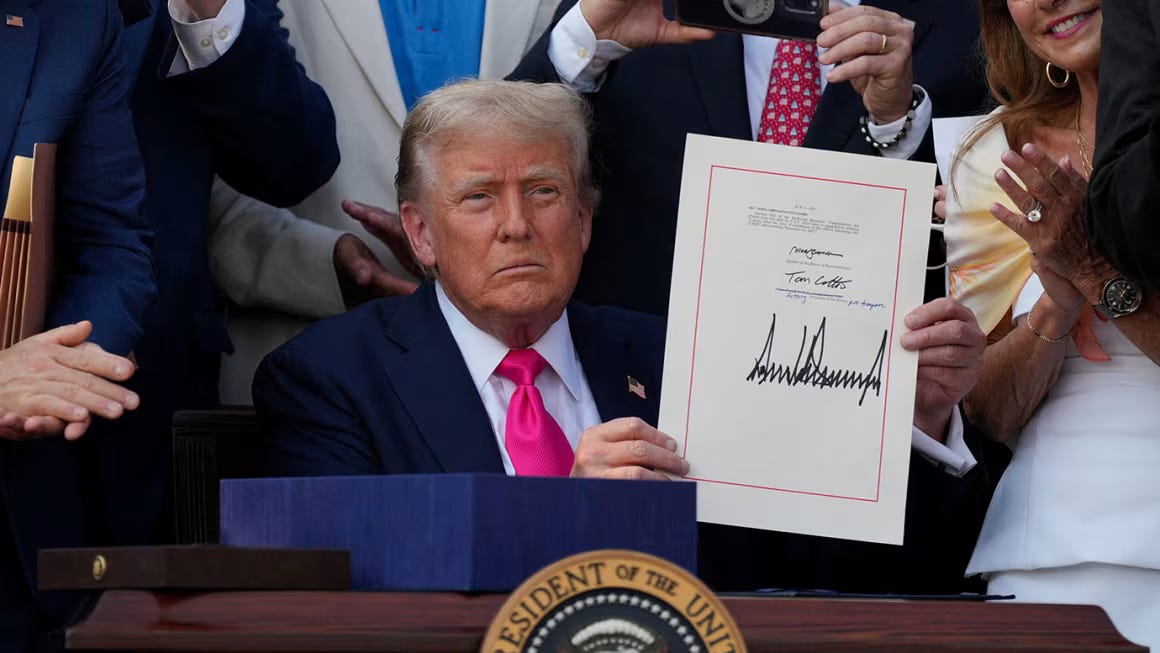
President Trump’s boast that his massive “One Big Beautiful Bill” is the most popular legislation in U.S. history couldn’t be further from the truth. Poll after poll paints a starkly different picture: a majority of Americans oppose the bill, making it one of the most unpopular pieces of major legislation in decades.
Recent surveys show opposition rates hovering around 50-60%, with support stuck below 40%, and in some cases, far lower. CNN’s chief data analyst called the bill’s approval ratings “abysmal,” and political scientists agree this bill is exceptionally disliked compared to any similar legislation since 1990.
Trump’s rosy spin doesn’t hold up under scrutiny. He also misstated lied about key bill provisions—like falsely claiming the bill eliminates taxes on Social Security for seniors when it only provides a temporary deduction for most, and repeatedly overstating the number of migrants allowed in under President Biden.
It’s possible Trump’s private polling tells a different story, or that public opinion could shift post-implementation as happened with Obamacare. But without any evidence shared, these claims feel like classic political spin lies trying to bury an unpopular reality.
Bottom line? The “Big Beautiful Bill” may be a legislative milestone for Trump, but it’s not winning hearts. The disconnect between reality and rhetoric highlights how detached leaders can get when facing unflattering facts. But what’s new with Trump?
Source: CNN
Elon Musk Officially Launches “America Party” After Trump Fallout—But Details Are Thin
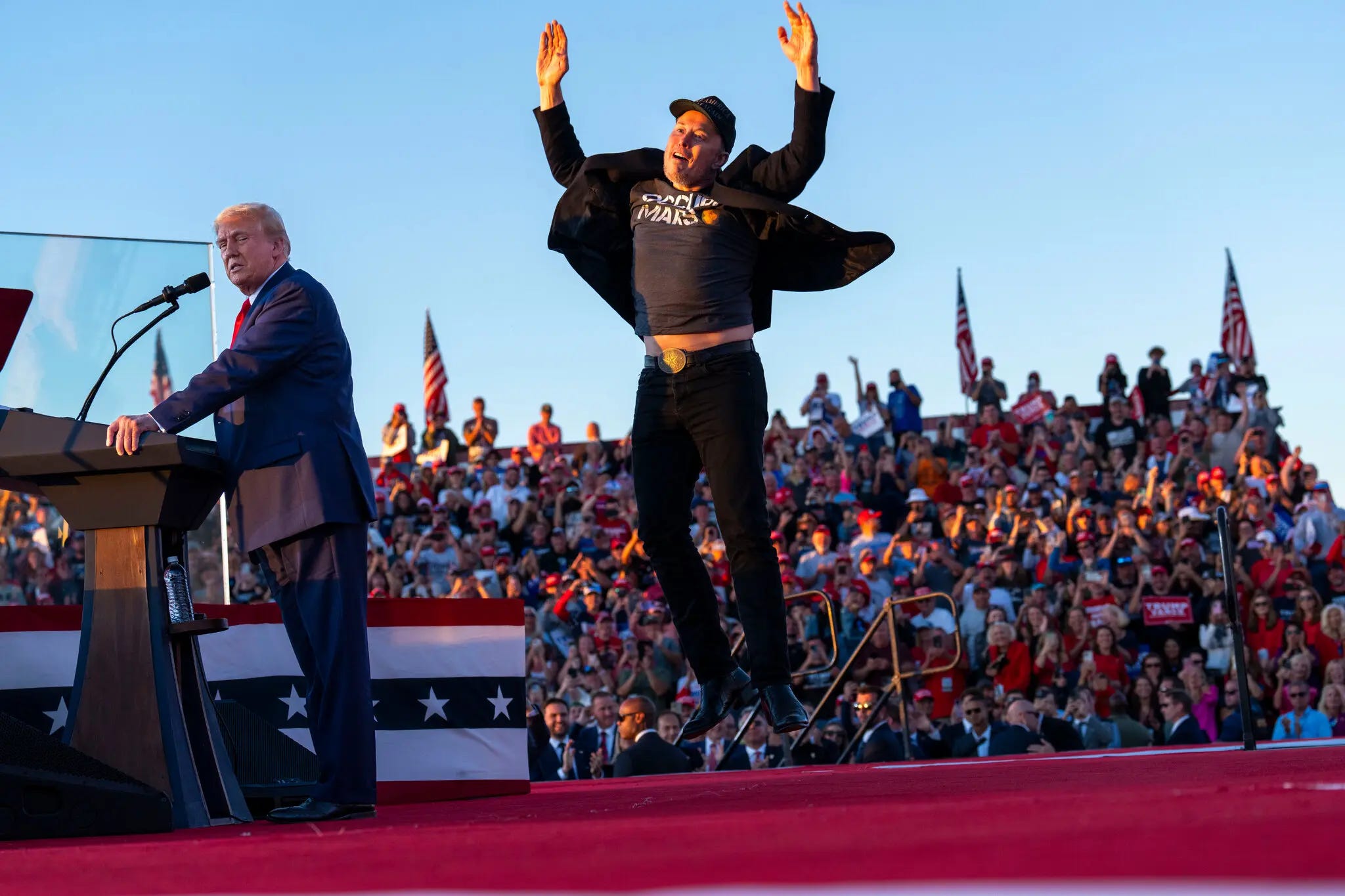
Elon Musk just threw down the gauntlet with the launch of his new “America Party,” aiming to shake up the political status quo after splitting with Donald Trump. The billionaire’s announcement followed a social media poll where followers overwhelmingly backed the idea—but beyond the name and intent, Musk hasn’t shared how he plans to navigate the brutal realities of building a third party in America.
Musk’s push comes on the heels of his very public meltdown with Trump over the “big beautiful bill,” which Musk criticized as wasteful government spending. He’s promised to back select candidates—like Rep. Thomas Massie—to tip razor-thin legislative margins, banking on a handful of swing seats to wield real power.
But here’s the kicker: Launching a new party isn’t just a tweet or a million-dollar check. It means jumping through complex legal hoops, getting on ballots state-by-state, and building grassroots infrastructure from scratch. So far, Musk hasn’t outlined any concrete plan to handle these challenges.
Just two months ago, Musk said he’d dial back political spending, claiming he’d “done enough.” Now, suddenly, he’s diving headfirst into a political gamble that could either redefine American politics or fizzle as a billionaire’s vanity project.
At the end of the day, Musk’s America Party is a bold, if nebulous, shot at disrupting a system he calls a “one-party system” in disguise—but whether it’s a game-changer or just noise remains to be seen.
The real peril is that it splits the voting populace in a way where a majority is never captured again by any national candidate. Then what?
Source: Politico