


Texas Camp Passed Safety Checks Two Days Before Deadly Flood Killed 27
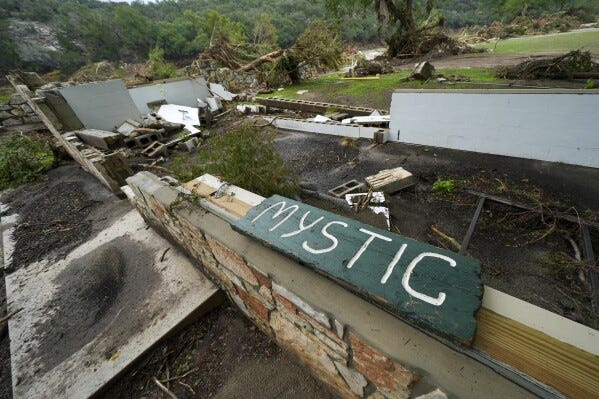
Camp Mystic had its emergency plans approved just 48 hours before catastrophic flooding swept through, killing more than two dozen campers and staff—most of them children.
The Texas Department of State Health Services confirmed the all-girls Christian summer camp met state requirements for disaster procedures, including evacuation instructions and staff assignments. Yet, questions now swirl around whether those plans were practical or even followed when the Guadalupe River surged from 14 feet to nearly 30 feet within an hour during the early morning flood on July 4.
Despite a flood watch issued by the National Weather Service the day before, Camp Mystic did not evacuate, unlike at least one other nearby camp that moved kids to safety. Survivors recount pitch-black conditions with no cell service or power, making escape near impossible in the face of the overwhelming floodwaters that tore through cabins and tents. The camp’s beloved director, Richard “Dick” Eastland, was among those who perished.
Inspection records show no violations or deficiencies in the camp’s safety protocols, but the actual emergency plans remain private—only posted on site and not filed with the state. Local officials have been notably tight-lipped about who monitored the weather or triggered evacuation efforts. Camp Mystic’s silence adds to the unease around how prepared the camp really was for the disaster.
Instruments tracking the river’s rise malfunctioned during the flood, complicating real-time response. While some rain gauges recorded up to 12 inches of rain, key river gauges failed just as water levels reached life-threatening heights. The full story of what happened in those critical hours is still emerging, but the tragedy exposes glaring vulnerabilities in emergency readiness for camps in flood-prone areas.
Source: ABC News
Trump Floats Federal Takeover of NYC and D.C. Amid Crime Concerns and Mayoral Drama
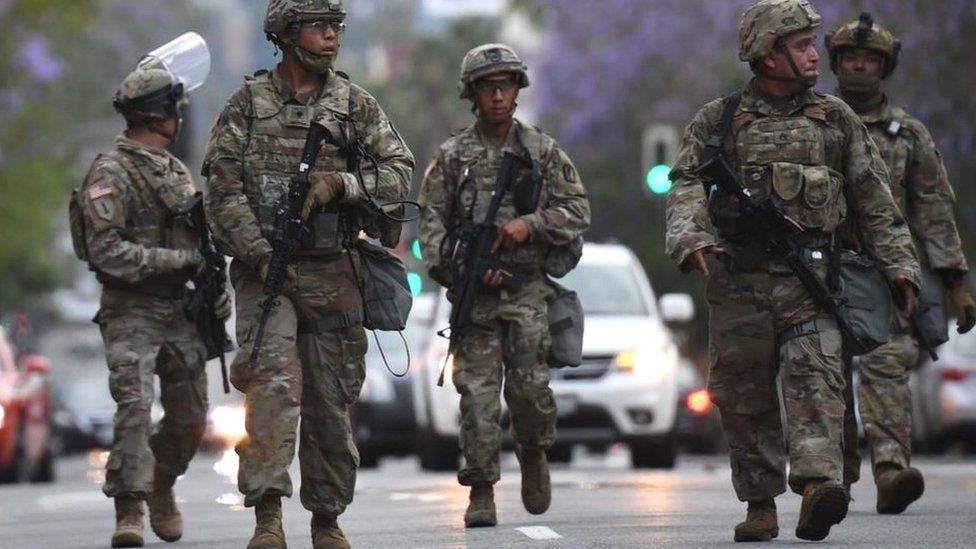
President Trump didn’t just criticize local leaders—he openly suggested the federal government should take control of New York City and Washington, D.C.
During a White House Cabinet meeting, Trump blasted New York’s mayoral race, warning that if a “communist” like Zohran Mamdani wins, the city “can never be the same.” Without endorsing any candidate, he hinted at wielding “tremendous power at the White House to run places when we have to.” Then, turning to D.C., he made it clear he’s seriously considering a federal takeover there as well, citing concerns about crime and city management.
“We would run it so good, it would be run so proper, we'd get the best person to run it,” Trump said, boasting that crime would drop “to a minimum.” If you buy this line of horseshit, I’ve got some farmland in the Everglades I’d LOVE to sell to you!
Meanwhile, official data from the Metropolitan Police shows violent crime in D.C. is actually down 25% this year compared to last, but that didn’t slow Trump’s narrative. He added that his chief of staff is in talks with D.C. Mayor Muriel Bowser to “test” this takeover idea.
Under the 1973 Home Rule Act, D.C. residents do have local control, but Congress keeps final say on budgets and laws—something Trump seems ready to exploit. His tough talk on New York includes complaints about ranked-choice voting and a “test” relationship with Mayor Eric Adams, but he insisted, “New York City will run properly. We’re going to bring New York back.” Back from what?
It’s classic Trump—promising big fixes, painting local leaders as incompetent, and dangling federal intervention like a power move. Whether Congress—or voters—buy it is a whole other story. In the end, they may not have a choice.
Source: ABC News
Trump’s Cut to Wheat Aid Program Hits Kansas Farmers Like a Sledgehammer

Shutting down the Food for Peace wheat aid program has left Kansas farmers scrambling and exposed the real cost of Trump’s so-called government efficiency drive.
The Food for Peace program, a decades-old initiative dating back to Eisenhower and created by a Kansas farmer, used to send surplus American wheat to over 150 countries. But thanks to the Department of Government Efficiency (DOGE) task force—the brainchild of Elon Musk aiming to slash government waste—the program is now basically dead, leaving farmers in Kansas caught in the fallout.
This isn’t just about foreign aid drying up; it’s a direct hit on Kansas’ agriculture economy, which makes up nearly half the state’s income. About 80% of Kansas’s rural voters backed Trump, yet his tariffs, cuts to ag grants, and gutting of food aid have shrunk markets and left grain silos bursting with nowhere to sell. Last year, Kansas exported half its wheat crop, but those buyers have vanished.
One grain broker is now trying to divert the unused wheat to dog food companies—talk about a harsh pivot. Paul Penner, a frustrated Kansas farmer, said, “We need people who are willing to speak up. I think privately they say things, but publicly, no.” The silence from Kansas’ GOP reps isn’t helping farmers stuck between volatile markets and political crossfire.
The drama only thickens with Musk and Trump’s recent fallout, as Musk publicly denounced Trump’s massive tax cut bill and launched a new political party aimed at the GOP. So while Kansas farmers bear the brunt of these policy shakeups, the political circus around them keeps spinning.
Source: Raw Story
Mexico Sends Firefighters and Rescue Teams to Aid Texas Flood Victims
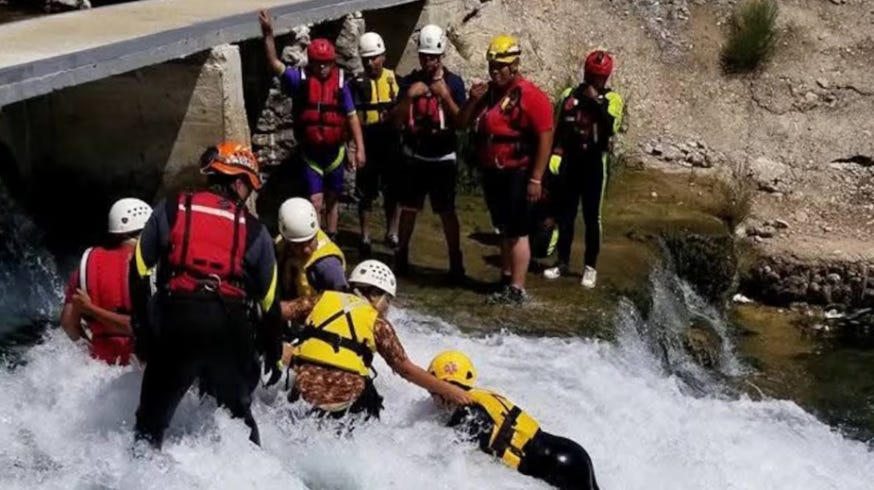
In an impressive display of cross-border solidarity, Mexico has deployed firefighters and rescue personnel to assist with flood search efforts in Texas after devastating July 4 floods.
The rescue team from Acuña, just south of Del Rio, Texas, arrived in Kerrville Sunday morning and has been tirelessly working to find survivors and help in the aftermath of one of the deadliest flood events in recent Texas history, which claimed over 80 lives—including many children. Among the tragedies, Camp Mystic lost 27 campers and staff when a sudden wall of water overwhelmed cabins along the Guadalupe River.
With at least 173 people still missing, every helping hand counts, and Mexico’s contribution has been publicly acknowledged by U.S. Ambassador to Mexico Ronald Johnson.
“Our people have always been united in the moments that matter most, guided by respect, empathy, and shared commitment,” Johnson wrote, thanking Mexico and President Claudia Sheinbaum for their support.
This joint effort underscores how disasters don’t respect borders, and neither should our responses. It’s heartening to see cooperation in action rather than empty political posturing when lives are on the line.
If you’re paying attention, this is exactly the kind of international teamwork we should be encouraging more often.
Source: Fox 8 News
Texas Flood Response Highlights Growing Debate Over FEMA’s Future
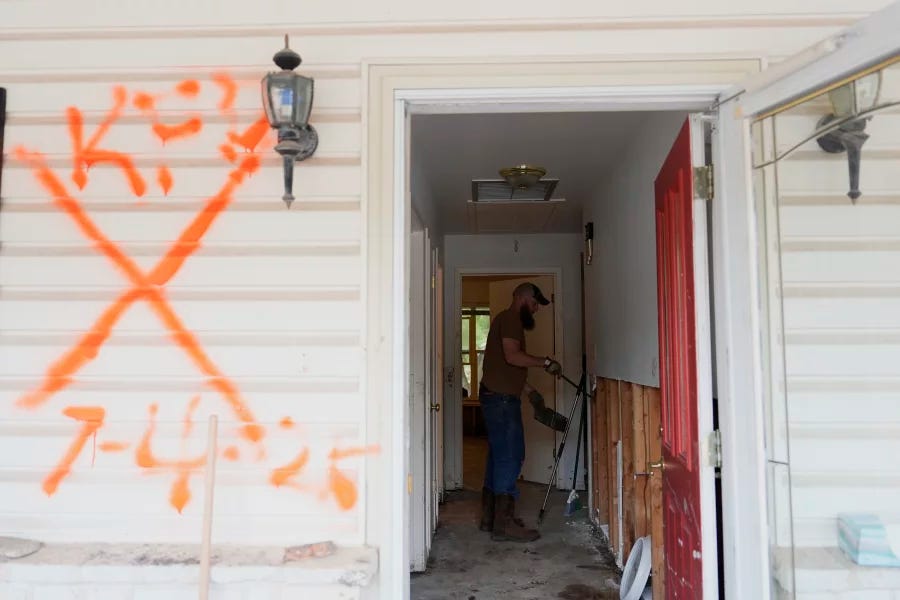
As Texas reels from devastating floods, Governor Greg Abbott praised President Trump’s swift disaster declaration—but the president’s push to gut FEMA threatens future aid when it’s needed most.
Trump quickly approved major disaster relief funding for Kerr County, the hardest-hit area, unlocking federal dollars for debris removal, search and rescue, and emergency housing. Abbott called the move “extraordinary help” during a crisis, but the celebration comes with a big caveat: Trump wants to eliminate FEMA as we know it, shifting disaster responsibility heavily onto states.
Abbott and Texas emergency chief W. Nim Kidd are on a federal council tasked with reimagining FEMA’s role—though a “nimble and swift” state response sounds great on paper, handling the nation’s largest disasters is a whole different beast.
The president’s proposals include shrinking FEMA’s budget, simplifying aid into block grants, and cutting back flood insurance and preparedness funding—all while climate change ramps up extreme weather events.
Congress, meanwhile, is pushing for a different approach: better preparedness, easier access to aid, and removing FEMA from Homeland Security for a more direct presidential line. Bipartisan bills aim to streamline federal disaster aid and incentivize states to invest in prevention, especially in vulnerable rural areas.
Here’s the deal: FEMA’s not perfect, but ditching it—or slashing its resources—in the face of more frequent, fiercer disasters is reckless. States can’t and shouldn’t carry this burden alone. The real question is whether political ambitions will trump practical disaster response when the next emergency hits.
Source: NPR
Tulsi Gabbard’s Intelligence Overhaul Raises Privacy and Political Alarms

Director of National Intelligence Tulsi Gabbard is pushing a sweeping effort to access emails and chats from top U.S. spy agencies, stirring concerns about politicizing intelligence and privacy risks.
Gabbard’s Director’s Initiative Group (DIG) aims to use AI tools to uncover what it calls “weaponization” within the intelligence community—essentially rooting out anyone perceived as disloyal to President Trump’s agenda. They’ve asked for access to sensitive communications from agencies like the CIA and NSA, a move that has startled senior intelligence officials worried about counterintelligence vulnerabilities and political misuse.
While Gabbard’s team claims this effort will “expose the truth” and end politicization, critics warn it risks creating an echo chamber that undermines objective intelligence. Rep. Jim Himes voiced concern over a potential “echo chamber” and counterintelligence risks, while GOP ally Rep. Rick Crawford praised her for seeking “accountability.”
Gabbard’s tenure has been marked by controversy: firing top analysts, mischaracterizing reports to fit political narratives, and sidelining experienced professionals. Despite her history as a privacy advocate, this broad data grab contradicts her past stance and raises serious questions about how intelligence should be handled in a politically charged environment.
At the end of the day, intelligence is supposed to serve national security, not political interests. If Gabbard’s efforts turn intelligence agencies into tools for enforcing loyalty, it could do more damage than the “weaponization” they claim to fight.
These swamp creatures ought to buy a mirror.
Source: WaPo (gift article)
BONUS:
Trump’s Tariff Threat Sends Copper Prices Soaring and Markets Reeling
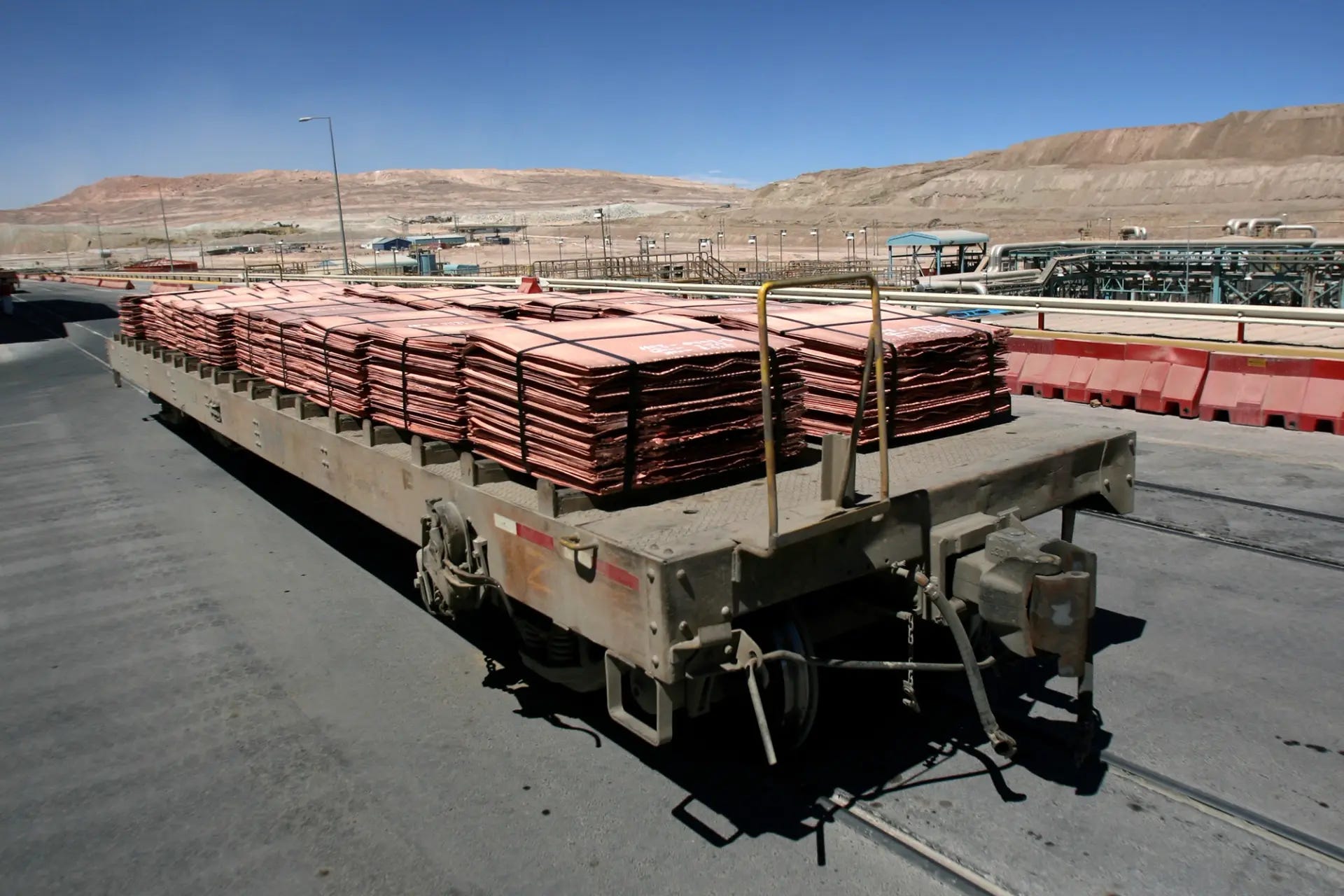
President Trump just doubled down on trade wars, slapping new 25% tariffs on major partners like Japan and South Korea, shaking global markets and raising the stakes for U.S. trade relations.
After extending his “Liberation Day” tariff deadline from July 9 to August 1, Trump sent official letters imposing hefty blanket tariffs on several countries, including key U.S. allies and trading partners. The move blindsided markets, sending copper prices soaring and stock indices tumbling, as investors brace for escalating tensions.
The tariffs target Japan, South Korea, Malaysia, Kazakhstan, South Africa, Laos, and Myanmar, signaling Trump’s intent to “play hardball” with nations he feels aren’t cutting favorable deals. Analysts see this as a serious setback to hopes for easing the ongoing trade war, with FXStreet calling the move a “wake-up jolt” to markets.
This isn’t just about economics—it’s a geopolitical power play that risks fracturing long-standing alliances and disrupting supply chains, especially in critical metals like copper, which is vital for industries from construction to electronics.
Brace yourself: Trump’s tariff gambit is far from over, and it’s looking like global markets will stay on edge as negotiations stall and uncertainty mounts.
Source: Semafor
Who got richer off this? You KNOW somebody in Trumplandia made some insider trades and got PAID!