


U.S. Strikes on Iran’s Nuclear Sites Delayed Program by Months, Not Years, Intelligence Finds
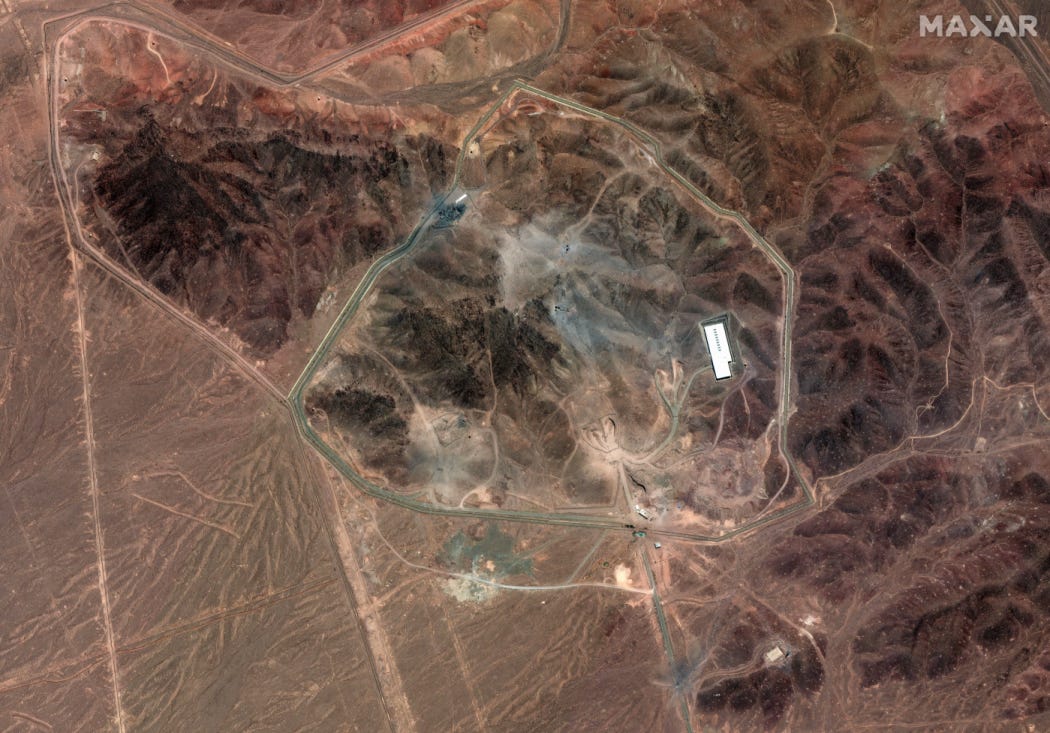
The latest classified U.S. intelligence report quietly undercuts the White House’s narrative, revealing that last weekend’s strikes on Iranian nuclear facilities only set Tehran back by a few months—not obliterated its program as publicly claimed.
According to the Defense Intelligence Agency’s preliminary damage assessment, while the strikes at Natanz, Isfahan, and Fordow did degrade some capabilities—like shutting tunnel entrances and hitting key enrichment plants—they did not collapse Iran’s underground nuclear infrastructure. Iran retains the ability to enrich uranium and may have relocated some materials beforehand.
White House Press Secretary Karoline Leavitt dismissed the report as “flat out wrong,” blaming a low-level intelligence leak. Meanwhile, Defense Secretary Pete Hegseth doubled down, insisting the bombing campaign “obliterated” Iran’s nuclear weapons capability and accusing critics of undermining the president’s success.
It’s a classic case of political messaging clashing with the messy reality of intelligence work. These early reports often evolve as new intel rolls in, and with multiple agencies involved, conflicting views are the norm. But the truth probably sits somewhere between “mission accomplished” and “minor setback.”
If you’ve been buying the “targets were obliterated” line, this report suggests you should pump the brakes. Iran’s nuclear ambitions aren’t derailed; they’re just running a bit behind schedule.
Oh, and this is a MAJOR blow to the efficacy of the GBU-57A/B MOP (Massive Ordnance Penetrator) 30,000-pound (14,000 kg) "bunker buster" bombs used on the three Iranian nuclear enrichment facilities. These were supposed to go through solid rock and destroy everything underneath. It was classic media hyperbole, fed “intel” by the military-industrial complex.
Source: WSJ: U.S. Strikes Set Back Iran Nuclear Program by a Few Months, Initial Report Says
Trump, Hegseth scoff at Iran damage assessment; leak probe underway
Iran’s Pickaxe Mountain: The Nuclear Fortress Trump’s Bombs Couldn’t Touch
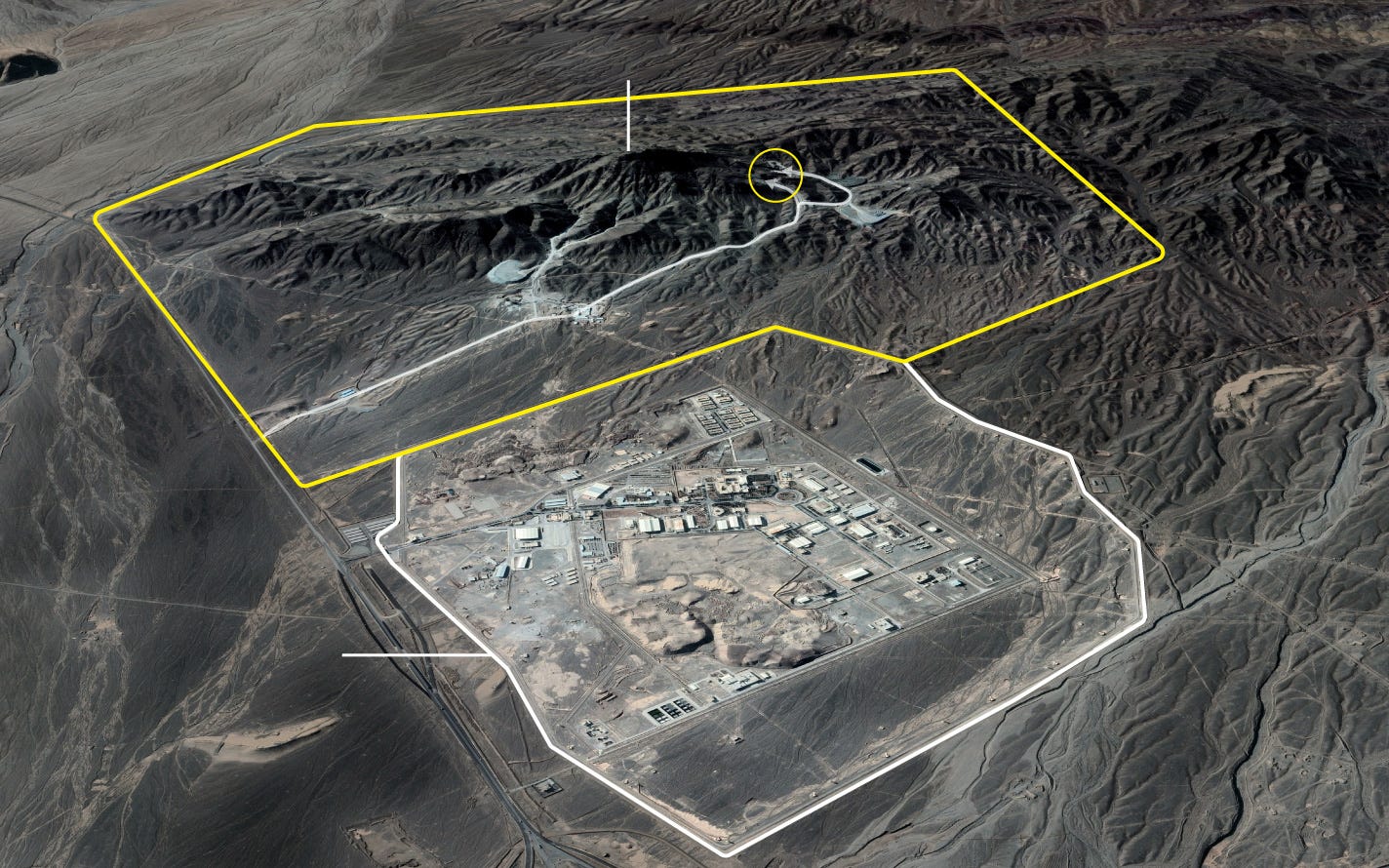
Deep beneath Pickaxe Mountain lies a new ultra-secure Iranian nuclear complex so hidden and fortified that even international inspectors get a curt “It’s none of your business.”
This sprawling underground fortress is reportedly far deeper and more impenetrable than the well-known Fordow site, making it the perfect vault for Iran’s “missing” uranium and covert nuclear activities. Despite the Trump administration’s aggressive bombing campaigns, this mountain keeps Iran’s nuclear ambitions alive and well—and just out of reach.
The International Atomic Energy Agency’s director general pressed Iran for transparency, only to be stonewalled with defiance, underscoring how much Tehran trusts this site’s secrecy. It’s a stark reminder that military strikes alone can’t solve what’s essentially a high-stakes geopolitical chess game.
If you think airstrikes shut down Iran’s nuclear program, this mountain is the reality check you need. Pickaxe Mountain is a hardened secret bunker where the real nuclear game is being played—and it’s a game that’s far from over.
Source: The Telegraph: Pickaxe Mountain: Iran’s New Hidden Nuclear Fortress
China Is Making Its Move to Globalize the Yuan as Confidence in the Dollar Wavers

China sees an unprecedented chance to push the yuan onto the world stage just as doubts about the U.S. dollar’s stability are mounting.
Beijing’s latest strategy isn’t just about easing trade payments—it’s a full-court press to embed the yuan deeply into global finance by opening markets, easing capital controls, and launching new financial products aimed at foreign investors. The goal? To chip away at the dollar’s decades-long dominance as the world’s reserve currency.
Chinese central bank governor Pan Gongsheng laid out a vision for a future global currency landscape where the yuan plays a starring role. Moves like establishing a digital yuan operation center in Shanghai and expanding cross-border payment systems show China is serious about turning that vision into reality.
“The measures to further integrate China with the global financial system feel like steps in the right direction,” said Lynn Song of ING Bank, highlighting China’s ambition to make the yuan one of the top global currencies.
But it’s not all smooth sailing—economic headwinds like slowing growth and deflation risk complicate Beijing’s push. Still, with the yuan already surpassing the dollar in parts of China’s trade settlements, this campaign could reshape global finance more quickly than many expect.
Source: My Daily Grind News: China Seizes Moment to Globalize Yuan as Dollar Doubts Mount
The Next Big Work-from-Home Trend? Try ‘War from Home’—And Defense Stocks Are Poised to Soar
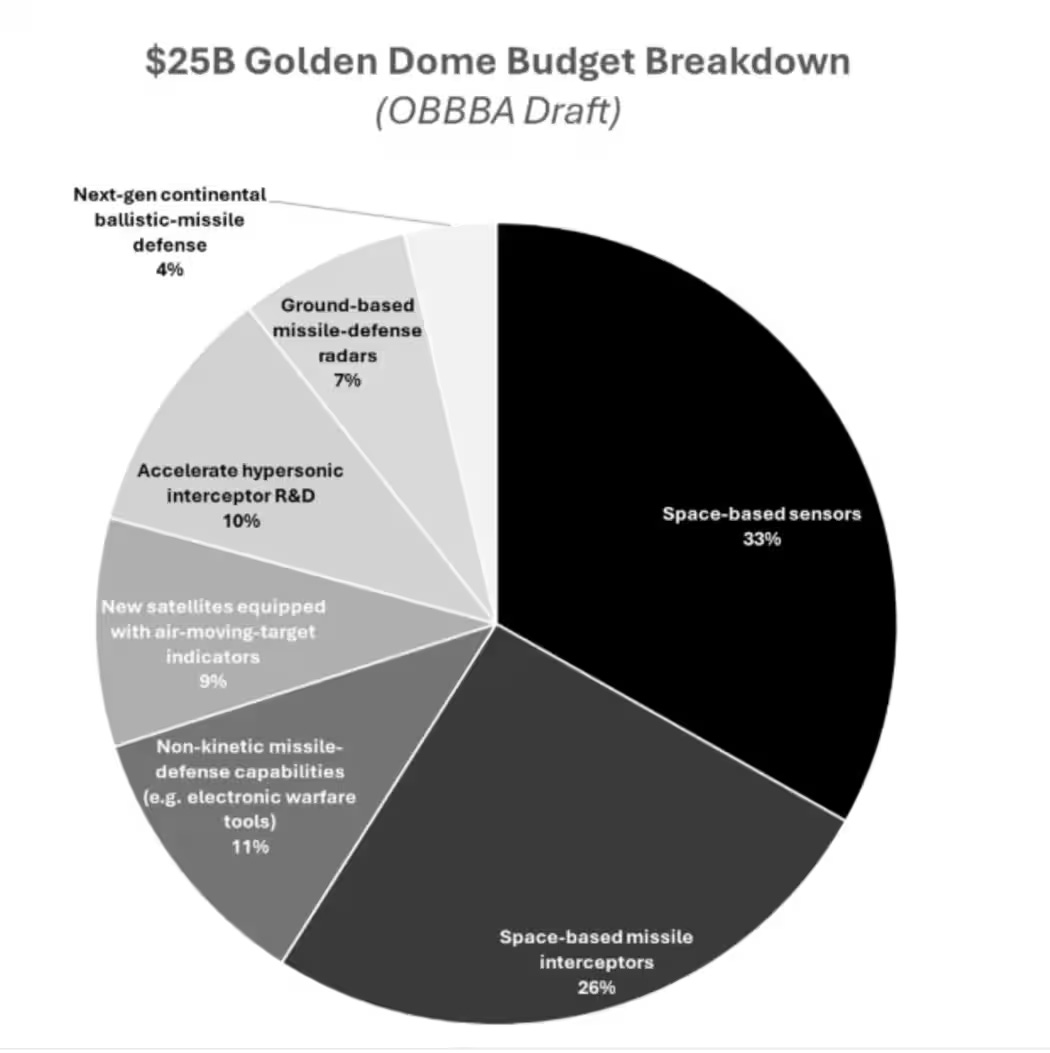
Forget your usual Zoom calls and pajama meetings—warfare is evolving, and “War from Home” is the new frontier, says strategist James van Geelen.
This isn’t your grandfather’s battlefield. Modern conflicts now rely heavily on remote drone strikes, missile defenses, electronic warfare, and surveillance—all managed from command centers thousands of miles away.
Israel and Ukraine have set the template: fights with zero boots on foreign soil but maximum impact. Even U.S. operations in recent conflicts have been run entirely from stateside facilities.
Defense stocks tied to these tech-heavy slices—think Palantir, DroneShield, Lockheed Martin, and others—have already surged this year, and van Geelen expects the momentum to continue as NATO members pledge rising budgets focused on procurement and cutting-edge tech over traditional troop deployments.
It’s a savvy—if not grifty—shift blending geopolitics and fiscal policy. As spending moves from personnel to drones and electronic warfare, investors ignoring this “War from Home” theme are missing the next major defense boom.
Source: MarketWatch: The Next Great WFH Trend Will Be ‘War from Home,’ Says This Strategist
Federal Judge Rules AI Training on Copyrighted Books Is Fair Use—But Piracy Allegations Still Trigger Trial

A federal judge just gave AI developers a win by saying training chatbots on copyrighted books can count as fair use—but Anthropic still faces trial over accusations it used pirated copies.
Judge William Alsup likened AI training to a writer reading copyrighted works “not to race ahead and replicate” but to “create something different,” underscoring the legal gray area around AI’s creative processes. This ruling marks a key moment for the AI industry, which has been battling copyright claims from authors and publishers.
However, Alsup slammed Anthropic for allegedly downloading over 7 million books from piracy sites when it could have purchased them legally, saying, “That Anthropic later bought a copy of a book it earlier stole off the internet will not absolve it of liability for the theft.” That part of the case will go to trial.
Anthropic hailed the fair use recognition as essential to innovation but disagreed with the piracy allegations and is “evaluating all options.” This case highlights the tension between AI’s rapid advance and intellectual property rights that creators fiercely protect.
If you think AI is just magic, think again—it’s riding a legal tightrope with big implications for creativity, copyright, and where we draw the line on “fair use.”
Source: The Washington Post: Federal Court Says Copyrighted Books Are Fair Use for AI Training
Cargo Ship Carrying Thousands of Electric Vehicles Catches Fire and Sinks in Pacific

After burning for three weeks off the coast of Alaska, the cargo ship Morning Midas finally sank, taking with it thousands of electric, hybrid, and conventional vehicles.
The 600-foot vessel, loaded with 70 electric vehicles, 681 hybrids, and over 2,000 traditional cars, caught fire while sailing from China to Mexico. Despite efforts to contain the blaze, the ship eventually succumbed to the damage and severe weather 360 nautical miles from land.
Fortunately, all 22 crew members evacuated safely shortly after the fire started on June 3. The Coast Guard reported no visible pollution yet, but concerns remain due to the 1,800 metric tons of fuel still onboard.
The ship’s owner, Zodiac Maritime, is investigating the cause alongside Liberia’s authorities. It remains unclear whether the electric vehicles' lithium-ion batteries, notorious for fire risks, contributed to the disaster.
This incident underscores the challenges of transporting electric vehicles safely at sea, especially as their numbers continue to climb globally.
Source: The New York Times: Cargo Ship That Caught Fire Carrying Electric Vehicles Sinks in the Pacific
("As spending moves from personnel to drones and electronic warfare, investors ignoring this “War from Home” theme are missing the next major defense boom.")
It's hard to ignore what's happening before our eyes unless of course they're closed. Now as we shift to AI, electronic warfare, drones and everything else we haven't imagined yet how does one country concede a defeat over another one? Would it be they limited ones ability to produce any more fighting robots or a $$$ defeat or ??? I can visualize either scenario or kinda like winning a video war game...lol I just can't get my mind accept a war victory without a battlefield with blood, guts and body parts strewn all over. Gross. Would be nice to fight wars without loss of life though.
("This incident underscores the challenges of transporting electric vehicles safely at sea, especially as their numbers continue to climb globally.")
Me thinks a good start at the answer would be "Batteries sold and shipped separately!"