

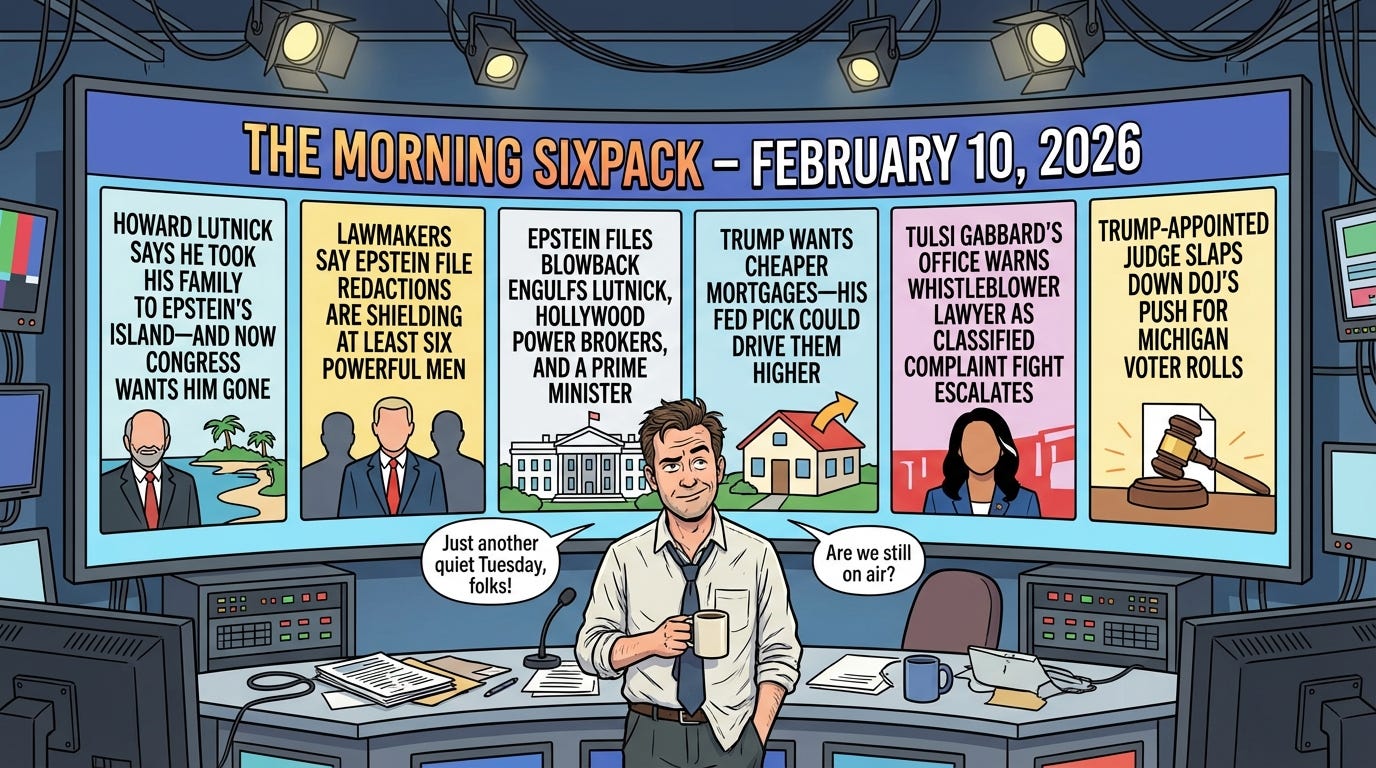
Howard Lutnick Says He Took His Family to Epstein’s Island—and Now Congress Wants Him Gone
The sitting Commerce Secretary just acknowledged a family lunch on Jeffrey Epstein’s private island—and it’s detonating what was left of his credibility.
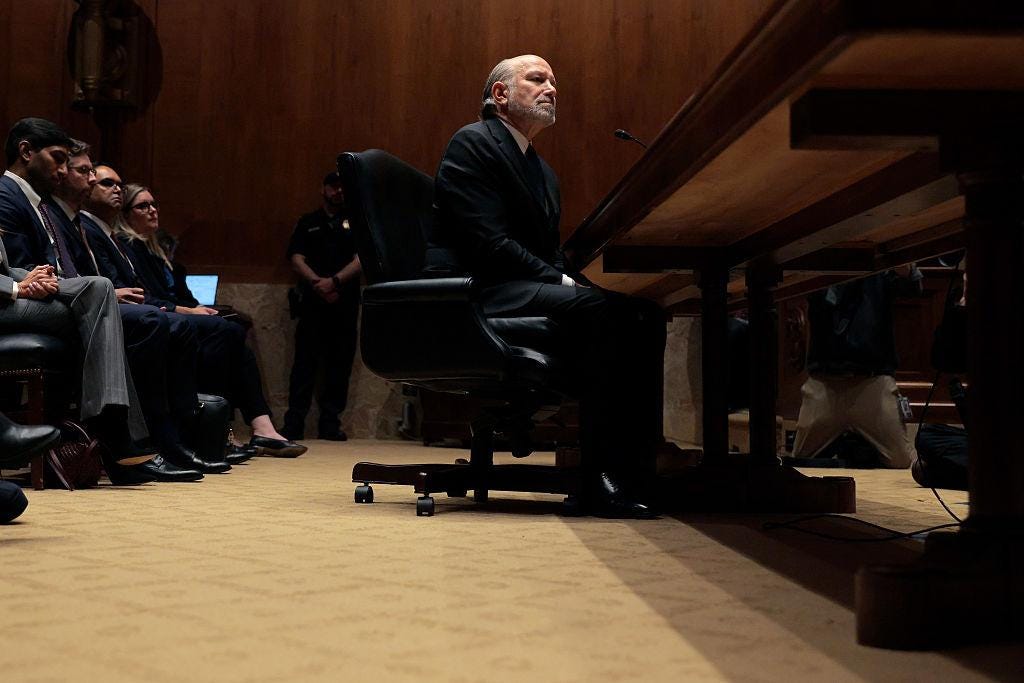
Trump administration Commerce Secretary Howard Lutnick (aka Howard Nut-Lick) told senators Tuesday that he, his wife, his four children, and their nannies spent about an hour having lunch on the private Caribbean island of Jeffrey Epstein during a 2012 family vacation. The admission came under oath before the Senate Appropriations Committee, as bipartisan calls for Lutnick’s resignation continue to grow.
Lutnick emphasized repeatedly that the visit was brief, supervised (why?), and uneventful. “And we had lunch on the island, that is true, for an hour,” he testified, adding that they left together as a family and saw nothing inappropriate beyond Epstein’s staff.
That testimony collides head-on with Lutnick’s earlier claims that he cut off all contact with Epstein after 2005—years before Epstein pleaded guilty in 2008 and was required to register as a sex offender. Newly released Justice Department records show continued communication, including a December 2012 invitation to lunch on the island and business dealings that reportedly stretched as late as 2014.
Pressed on the contradiction, Lutnick minimized the relationship, saying he “barely had anything to do with that person” and suggesting there may have been “10 emails” over 14 years. But Sen. Chris Van Hollen cut to the core of the issue, saying the problem isn’t misconduct—it’s credibility. The concern, he said, is that Lutnick “misled the country and the Congress” about the extent of his contact.
Source: CNBC
Editor: Lunch, kids, nannies, totally normal—except for the part where the host was Jeffrey Epstein and the story kept changing. If this is what “barely had anything to do with him” looks like, Washington might need a new dictionary.
Epstein Files Blowback Engulfs Lutnick, Hollywood Power Brokers, and a Prime Minister
The Epstein files are no longer a slow burn—they’re ripping through Washington, Hollywood, and even Downing Street all at once.
The latest release of Justice Department records tied to Jeffrey Epstein has intensified pressure on Commerce Secretary Howard Lutnick, entertainment mogul Casey Wasserman, and British Prime Minister Keir Starmer, according to the New York Times’ DealBook. Lawmakers, artists, and political insiders are openly questioning how much more remains hidden—and who’s being protected.
For Lutnick, the political damage is accelerating. Democrats and Republicans alike are calling for his resignation after new details showed deeper ties to Epstein than he previously disclosed. Sen. Adam Schiff was blunt: “Lutnick has no business being our commerce secretary, and he should resign immediately.” Rep. James Comer hasn’t ruled out a subpoena.
In Hollywood, Wasserman is facing open revolt. Artists have cut ties, agents inside his own firm are reportedly demanding his resignation, and his leadership of the LA28 Olympic organizing committee is under renewed scrutiny—even as the International Olympic Committee continues to back him. The message from talent is clear: proximity to Epstein is no longer a reputational inconvenience—it’s radioactive.
Across the Atlantic, Starmer is fighting political shrapnel of his own after appointing Peter Mandelson, a longtime Epstein associate, as Britain’s ambassador to the U.S. Two senior aides have already resigned, and prediction markets now put Starmer’s odds of losing his job by September at 65 percent.
Hovering over all of it is a bipartisan group of U.S. lawmakers—including Thomas Massie and Ro Khanna—who say key names are still improperly redacted from the Epstein files. They’ve threatened to reveal at least six men themselves if the Justice Department doesn’t stop dragging its feet.
Source: The New York Times
Editor: This is what happens when transparency arrives years late and half redacted—everyone touched by Epstein is suddenly learning that “I barely knew him” doesn’t survive contact with documents. And it’s not clear who’s more nervous right now: the politicians, the moguls, or the people still blacked out.
Lawmakers Say Epstein File Redactions Are Shielding at Least Six Powerful Men
Two lawmakers who forced the Epstein files into daylight now say the Justice Department is still keeping some of the most damaging names in the dark.
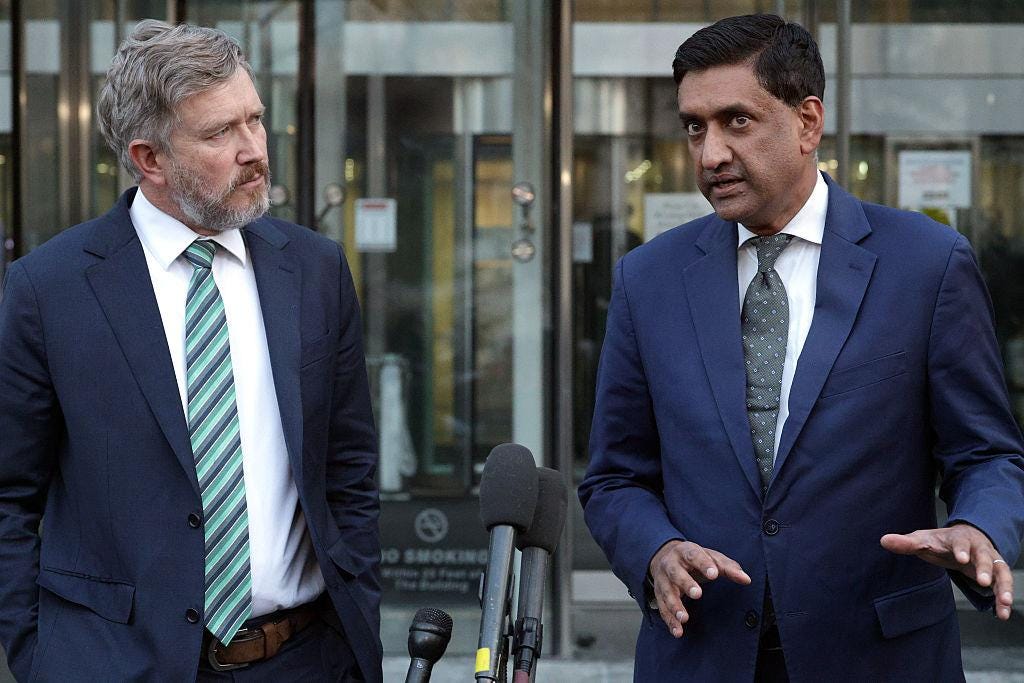
Reps. Thomas Massie and Ro Khanna said Monday that redactions in the Jeffrey Epstein files appear to protect at least six men who may be implicated in the documents. After reviewing unredacted versions made available to Congress, the pair accused the FBI and DOJ of failing to comply with the Epstein Files Transparency Act—the law they co-sponsored to force the release.
“The core issue is that they’re not complying with… my law, because these were scrubbed back in March by Donald Trump’s FBI,” Khanna said, arguing that the DOJ merely passed along files that had already been heavily redacted months earlier. Massie added that in one document listing about 20 names, “every name was redacted except for Epstein’s and Ghislaine Maxwell’s.”
The controversy exploded further after lawyers for Epstein’s victims said the public release exposed identifying details of survivors while concealing the names of powerful men. Survivors called the disclosures “outrageous,” saying they were being retraumatized while alleged abusers remained hidden.
Deputy Attorney General Todd Blanche pushed back, saying the DOJ had already unredacted “all non-victim names” in at least one disputed document and insisting, “The DOJ is committed to transparency.” He accused Massie of grandstanding and said remaining blackouts involved legally protected personal information like email addresses.
That explanation hasn’t satisfied lawmakers. Massie said the improper redactions prove the department “needs to do a little more homework,” while Khanna argued the fixes came only after public pressure—and still fall short of the law’s requirements. Other members who viewed the files echoed concerns, with Rep. Lauren Boebert saying, “I think there are folks who are definitely implicated,” and Rep. Jamie Raskin calling the limited access for lawmakers a “cover up.”
Source: BBC News
Editor: When victims’ names leak but powerful men stay blacked out, that’s not transparency—it’s triage. If DOJ really wants sunlight, it should stop needing a Twitter pile-on to follow the law.
Trump Wants Cheaper Mortgages—His Fed Pick Could Drive Them Higher
Donald Trump keeps promising lower mortgage rates, but the man he wants running the Fed has spent years arguing for policies that could push them up.
Trump’s pick to lead the Federal Reserve, Kevin Warsh, is a longtime critic of the Fed’s $6.6 trillion balance sheet, calling it bloated, distortionary, and harmful to markets. Shrinking that portfolio—especially mortgage-backed securities—would likely raise long-term interest rates, including mortgages, undercutting one of Trump’s core economic talking points.
Trump has made housing affordability a political priority, repeatedly saying he wants mortgage rates to fall. “We can drop interest rates to a level… we should be paying a much lower interest than we are,” he said recently. But while presidents can jawbone, markets don’t listen to speeches—they react to policy.
Warsh’s worldview is clear. He’s blasted quantitative easing as a legacy mistake that fueled deficits and inflation, arguing the Fed’s massive bond buying artificially suppressed long-term rates. In one speech, he warned: “Each time the Fed jumps into action, the more it expands its size and scope… more debt is accumulated… more capital is misallocated… risks of future shocks are magnified.”
The basic math is the problem. When the Fed buys bonds, rates fall. When it stops—or shrinks its holdings—rates tend to rise as private investors demand higher yields. Even with the Fed cutting short-term rates over the past 18 months, mortgage rates barely budged, showing how little control the White House has over the long end of the market.
Some economists think reality will slow Warsh down, forcing gradualism instead of shock therapy. Maybe. But the contradiction is already baked in: Trump wants cheaper mortgages fast, and his Fed nominee believes the central bank’s biggest lever keeping them low was a mistake in the first place.
Source: Washington Post (free)
Editor: You can’t campaign against the Fed’s balance sheet for a decade and then magically use it to juice cheaper mortgages. Trump wants rates down; Warsh wants the Fed on a diet. Markets are going to notice the difference.
Tulsi Gabbard’s Office Warns Whistleblower Lawyer as Classified Complaint Fight Escalates
The intelligence chief’s office is now warning a whistleblower’s lawyer that talking directly to Congress about a top-secret complaint could land him in criminal trouble.
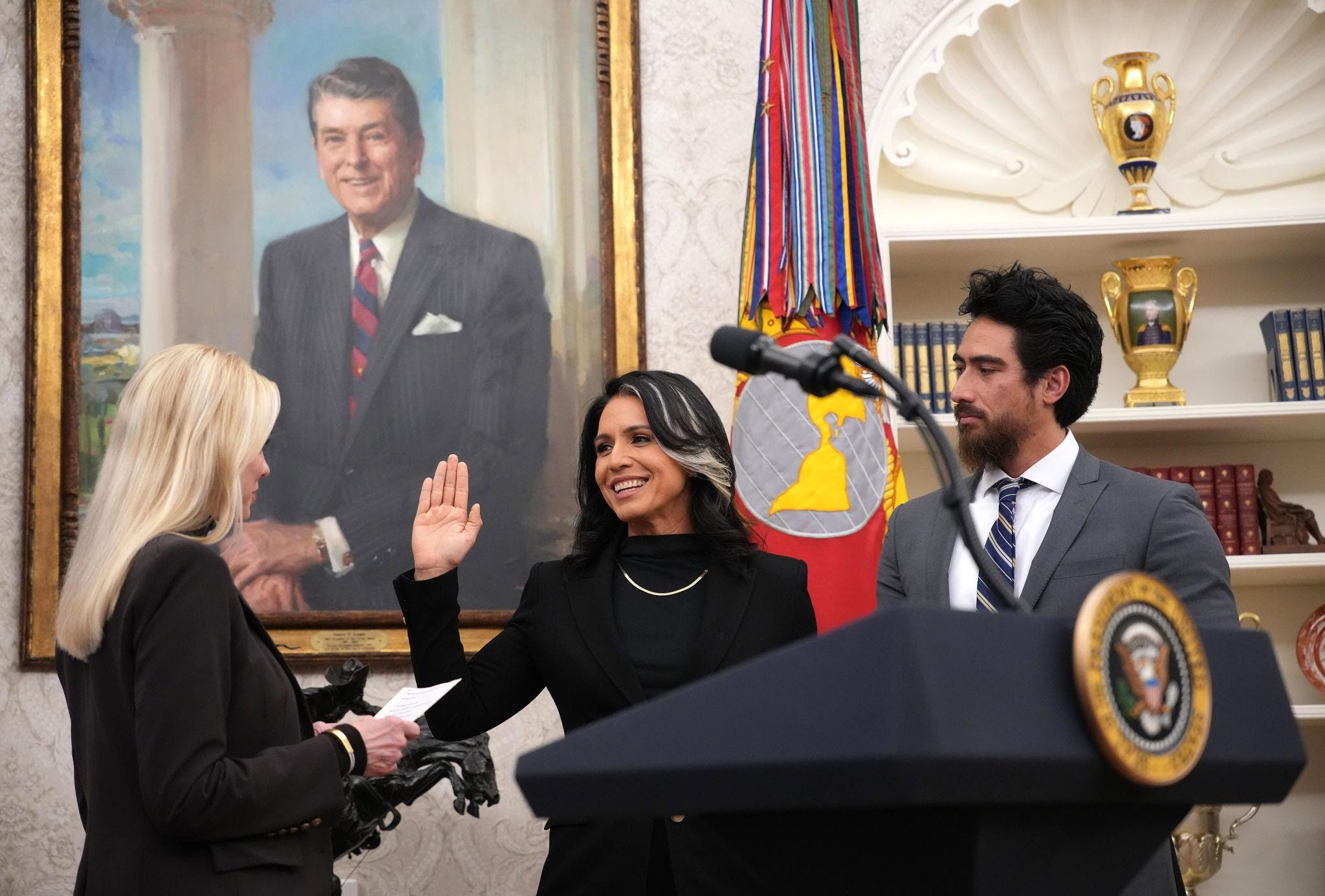
The general counsel for Tulsi Gabbard sent a pointed letter Monday to attorney Andrew Bakaj, cautioning him not to personally brief lawmakers on a classified complaint accusing Gabbard of mishandling sensitive intelligence. The warning marks the sharpest escalation yet in a dispute that has dragged on for months and is now fully political.
The complaint—filed in May by an anonymous intelligence employee—alleged that Gabbard withheld a highly classified report for political reasons and that her general counsel failed to refer a potential crime to the Justice Department. Two inspectors general reviewed the matter and found the central allegation not credible. The current watchdog said he would have deemed it non-urgent, meaning it never would have gone to Congress at all.
Still, Democrats are furious about the delay. It took roughly eight months for the complaint to reach lawmakers, despite whistleblower laws requiring timely notification. Sen. Mark Warner, the top Democrat on the Senate Intelligence Committee, said the lag alone is alarming. “The fact that this sat out there for six, seven, eight months now and we are only seeing it now, raises huge concerns in and of itself,” Warner said.
Gabbard’s office pushed back hard. In its letter to Bakaj, the ODNI warned that any direct briefing risks illegal disclosure. “The highly classified nature of the underlying complaint increases the risk that you or your client inadvertently or otherwise breaks the law by divulging or mishandling classified information,” the letter said. “You may have other means of appearing in front of Congress, but this is not it.”
Republicans are largely siding with Gabbard. Sen. Tom Cotton, who chairs the Senate Intelligence Committee, dismissed the episode as partisan warfare, calling it “an effort by the president’s critics to undermine him.” Gabbard herself says inspectors already debunked the core claim and accuses Democrats and the media of smearing her name.
Source: AP News
Editor: When a complaint is ruled non-credible but still detonates eight months later, something broke in the process—or someone wanted the slowest possible fuse. Either way, warning lawyers about jail time is not how transparency usually announces itself.
Trump-Appointed Judge Slaps Down DOJ’s Push for Michigan Voter Rolls
A Trump-appointed federal judge just told the Justice Department it can’t bully states into handing over sensitive voter data.
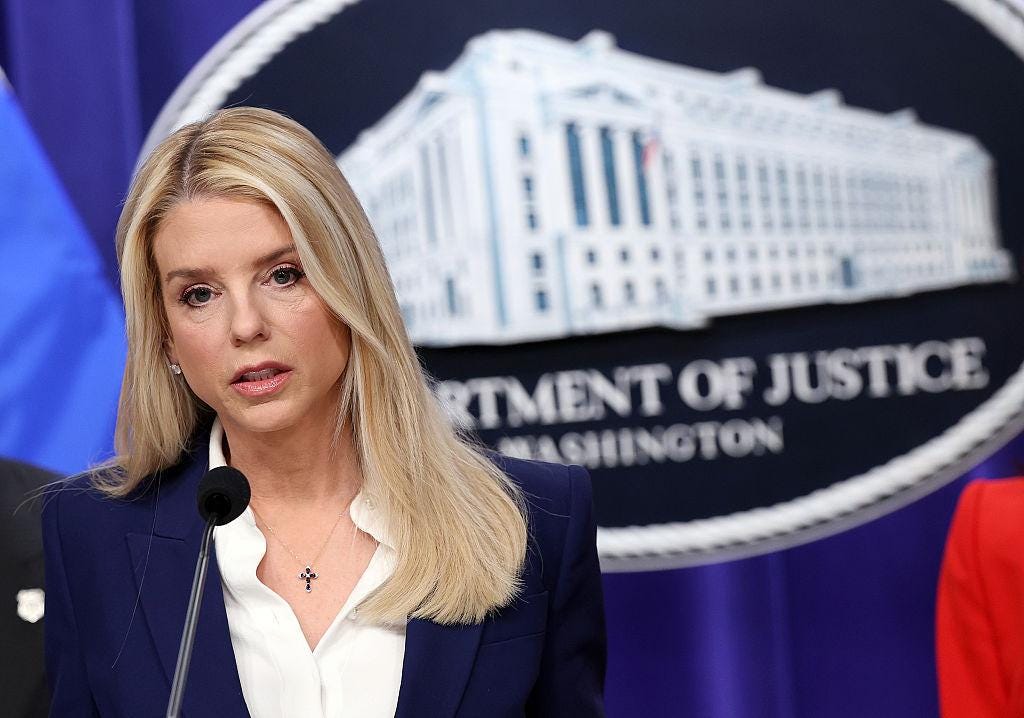
In a sharp setback for the U.S. Department of Justice, U.S. District Judge Hala Jarbou dismissed the DOJ’s lawsuit seeking Michigan’s unredacted voter rolls. The ruling undercuts a broader national effort—backed by Attorney General Pam Bondi—to force states to turn over detailed voter information.
The DOJ sued after Michigan Secretary of State Jocelyn Benson refused to provide voter list maintenance records and a full, unredacted registration list. Michigan is one of roughly two dozen states pushing back against what Democrats have warned is an “intensifying pressure campaign” from Washington.
Jarbou didn’t mince words, rejecting the DOJ’s legal theory outright. “There is simply no basis in the Federal Rules of Civil Procedure for the United States’s suggestion that it can file a HAVA [Help America Vote Act] claim, allege no violations of HAVA, and obtain information to support its (as-yet-nonexistent) claim via discovery,” she wrote.
The decision follows a similar ruling out of Oregon last week, where another judge said the DOJ can no longer be presumed to be acting in good faith. Together, the losses suggest courts are increasingly skeptical of the department’s tactics in election-related cases.
Democracy groups hailed the Michigan ruling as a check on federal overreach, noting that states—not Washington—control voter rolls. For now, at least, the DOJ’s voter-data dragnet just hit a brick wall.
Source: Democracy Docket
Editor: When even Trump-appointed judges are telling DOJ to slow its roll, maybe the problem isn’t the states. Calling it “discovery” doesn’t magically turn a fishing expedition into the law.