


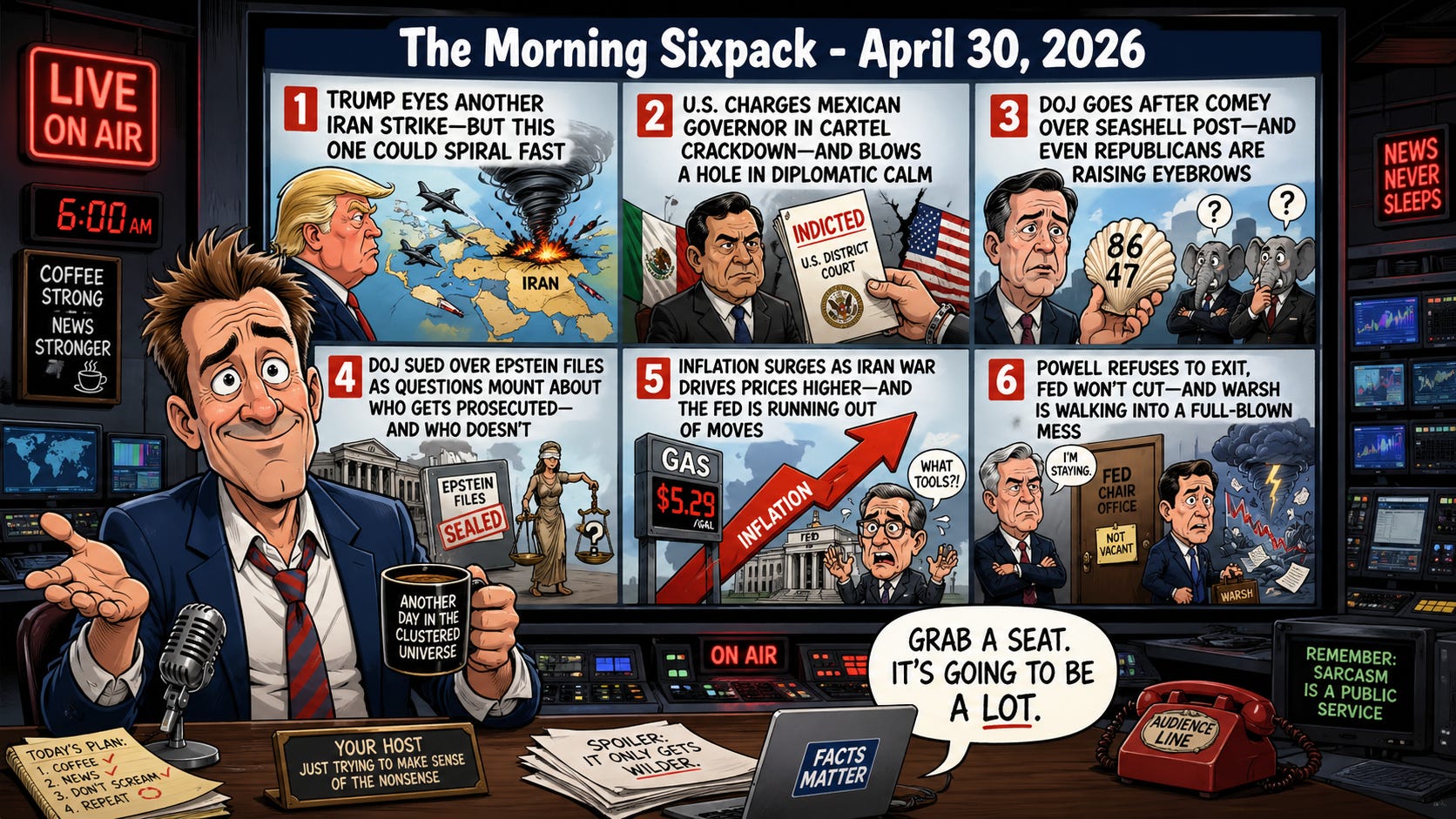
Trump Eyes Another Iran Strike—But This One Will Spiral Fast
Trump is weighing a new U.S.-led military campaign against Iran, and this time the risks go way beyond a quick, contained operation. Last year’s limited strikes wrapped in under two weeks with zero American casualties—but this potential sequel looks bigger, murkier, and a lot harder to control.
The Pentagon is already ramping up its largest Middle East buildup in 20 years—and nobody seems entirely clear on the endgame.
Back in June, Donald Trump authorized targeted strikes on Iran’s nuclear facilities, piggybacking on Israel’s offensive. The mission was narrow: slow Tehran’s nuclear ambitions. It worked—at least temporarily. A cease-fire came together quickly, and the U.S. walked away without casualties.
This time, the scope looks a lot less defined. The administration hasn’t said whether the goal is another surgical hit on nuclear sites or something broader—like dismantling Iran’s ballistic missile program, which Tehran has repeatedly said is off the table in negotiations. That ambiguity is where things get dangerous. Mission creep isn’t a theory here—it’s practically tradition.
A larger, U.S.-led campaign raises the odds of retaliation, escalation, and a drawn-out conflict that could pull in regional players and stretch far beyond a 12-day timeline. The phrase “limited engagement” starts to lose meaning when the objectives aren’t clearly spelled out.
Source: New York Times
Editor: Nothing says “controlled military strategy” like ramping up forces while still figuring out what you’re trying to accomplish. History’s got a few notes on how that usually ends.
U.S. Charges Mexican Governor in Cartel Crackdown—And Blows a Hole in Diplomatic Calm
The U.S. just indicted a sitting Mexican governor for alleged cartel ties, dragging politics directly into the drug war fight. That’s not a tweak to policy—that’s a full-on escalation with diplomatic consequences baked in.
Washington isn’t just targeting traffickers anymore—it’s going after the people allegedly helping them run the system.
The Justice Department says Rubén Rocha worked with the Sinaloa Cartel to funnel massive amounts of narcotics into the U.S., trading political protection for bribes and backing. According to prosecutors, Rocha’s 2021 election was aided by “Los Chapitos,” the faction tied to Joaquín “El Chapo” Guzmán’s sons—allegedly using intimidation to clear his path to power.
Rocha is calling the charges baseless, blasting them as an attack on Mexico’s ruling movement. But the indictment lands squarely in the lap of President Claudia Sheinbaum, who now has to navigate accusations hitting someone in her own political circle—with ties back to former leader Andrés Manuel López Obrador.
The broader message from the U.S. is unmistakable. As U.S. Attorney Jay Clayton put it: “Let these charges send a clear message…no matter your title or position, we are committed to bringing you to justice.” Translation: if you’re on the take, your job title won’t save you.
This kind of move is rare—and risky. Indicting a sitting foreign official cranks up tension between Washington and Mexico, especially as extradition disputes and questions over evidence are already bubbling. Mexico says it’s reviewing the case, but not exactly rushing to comply.
Source: Reuters
Editor: When your anti-cartel strategy starts reading like a political takedown list, don’t expect the neighbor you’re naming names about to just nod along politely.
DOJ Goes After Comey Over Seashell Post—And Even Republicans Are Raising Eyebrows
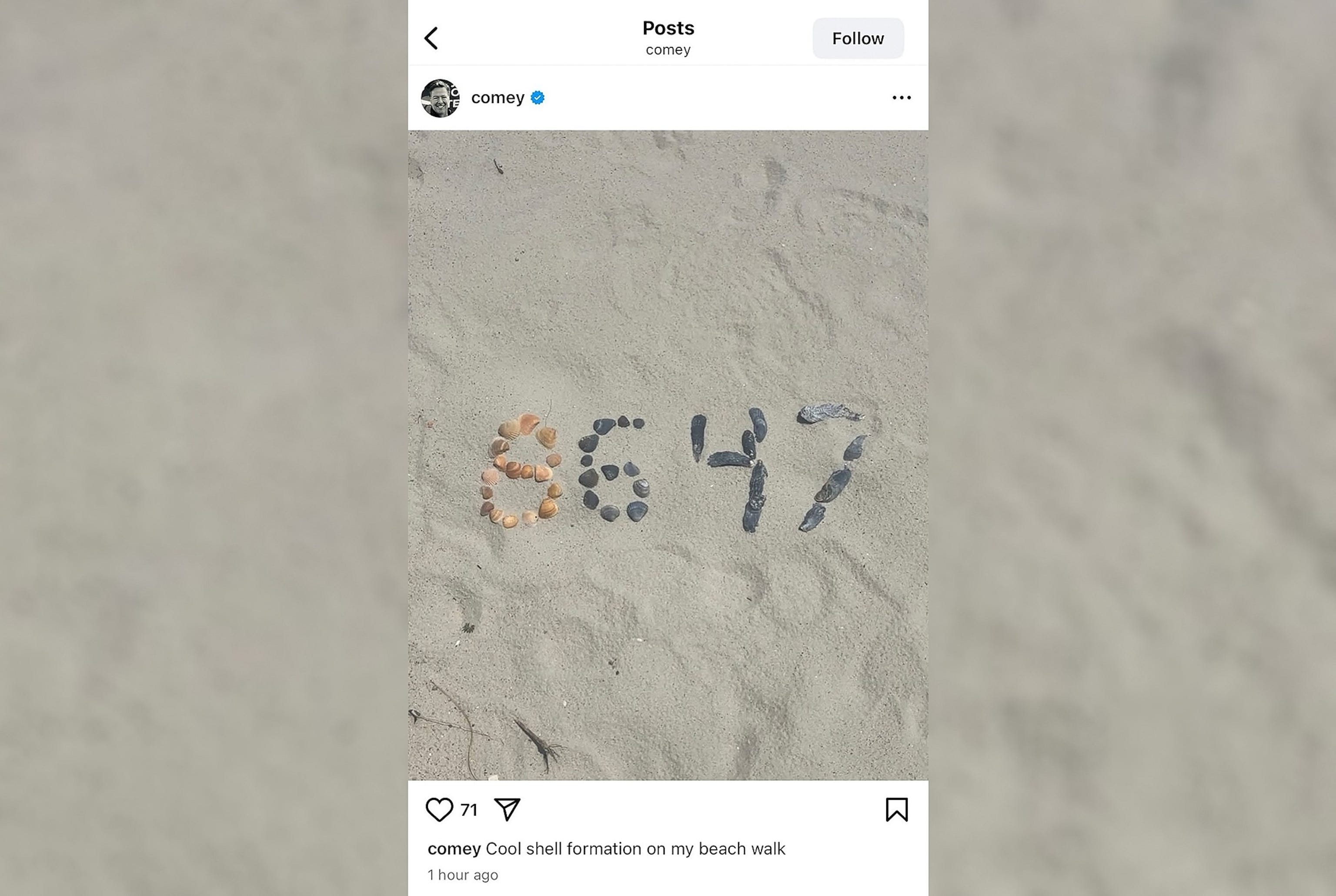
The Justice Department is prosecuting former FBI Director James Comey over a cryptic seashell photo—and critics across both parties are calling it a dangerous stretch. What might sound like a joke case is quickly turning into a serious test of how far presidential power can reach into the justice system.
When your own allies start calling the case “a stretch,” you’ve got a credibility problem you can’t spin away.
At the center of it all is James Comey, now facing charges tied to a photo spelling out “86 47”—which prosecutors claim was a threat against Donald Trump, the 47th president. Comey says he didn’t intend any threat and pulled the post once controversy erupted. The case itself? Just two pages long, with no evidence beyond the image.
Democrats are calling foul in no uncertain terms. Jamie Raskin labeled the charges “surreal and absurd,” while Alexandria Ocasio-Cortez argued the DOJ is being turned into “an arm of political retribution.” The administration, for its part, insists the case was built independently after nearly a year of investigation.
But here’s where it gets messy: Trump’s long-running feud with Comey is well documented—complete with hundreds of social media posts blasting him as everything from a “dirty cop” to worse. That history makes claims of political motivation hard to dismiss, even if prosecutors say otherwise.
Even some Republicans aren’t buying it. Lawmakers and conservative legal voices are warning the case sets a low bar—and could come back to haunt the GOP when power inevitably flips. If this is the new standard, don’t expect it to stay a one-party tool for long.
Source: The Hill
Editor: If a beach photo can land you a federal indictment, social media managers everywhere might want to start lawyering up.
DOJ Sued Over Epstein Files as Questions Mount About Who Gets Prosecuted—and Who Doesn’t
Legal analyst Katie Phang is suing the Justice Department to force the release of Epstein-related records, arguing the government is dodging its own transparency laws. The case isn’t just about missing documents—it’s about whether justice is being applied consistently or selectively at the highest levels.
When the DOJ can fast-track prosecutions but slow-walk transparency, people start connecting dots—and not in a good way.
Katie Phang is taking the fight directly to the courts, claiming the DOJ is withholding files tied to Jeffrey Epstein despite legal requirements to release them. Her argument is blunt: the law was written without real enforcement teeth, and now that loophole is being exploited. As she put it, “If you can’t see it, you can’t report it.”
The timing raises bigger questions. While Acting Attorney General Todd Blanche pushes forward with an indictment of James Comey—a case already drawing skepticism—Phang is asking why transparency laws seem to take a back seat. Same department, very different urgency.
And then there’s the response when those questions get asked. When pressed about potential conflicts tied to the Epstein files, Blanche didn’t engage—security did. That kind of shutdown doesn’t exactly scream confidence in the process.
Phang’s broader point lands hard: this isn’t just about Epstein. It’s about how decisions are made, who gets targeted, and whether the rules apply evenly—or just conveniently.
Source: The Red Letter
Editor: Transparency laws without enforcement are basically polite suggestions—and right now, the DOJ seems very comfortable declining the invitation.
There will be another #EpsteinFiles post later today. Stay tuned!
Inflation Surges as Iran War Drives Prices Higher—And the Fed Is Running Out of Moves
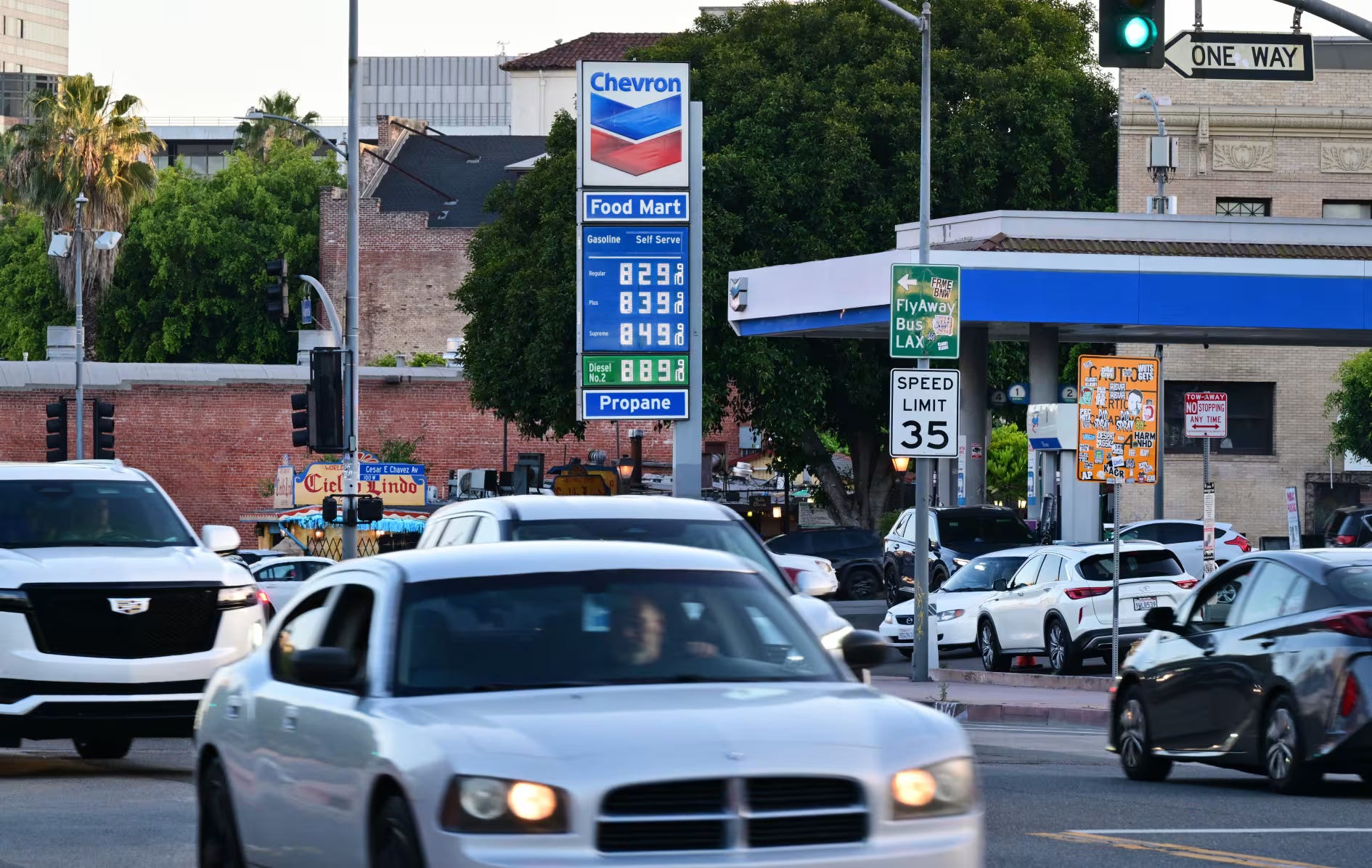
U.S. inflation just hit its highest level in nearly three years, fueled largely by soaring energy costs tied to the Iran conflict. What was already a stubborn economic problem just got a geopolitical accelerant—and now the Federal Reserve is stuck reacting instead of steering.
When gas spikes and inflation follows, the Fed doesn’t get to play offense—it’s forced into damage control.
The Fed’s preferred gauge, the personal consumption expenditures index, jumped 3.5% year-over-year in March, with a sharp 0.7% monthly increase—the biggest since 2022. Blame a lot of that on oil, with prices surging as tensions between the U.S. and Iran drag on and keep energy markets on edge.
That spike is already rippling through the economy. Higher fuel costs are pushing up prices across the board, squeezing consumers whose incomes aren’t keeping pace. And while spending is still holding up, much of that increase is just Americans paying more for the same goods—not buying more.
Inside the Fed, the mood is shifting. Outgoing Chair Jerome Powell acknowledged inflation remains a persistent issue, while divisions are growing among policymakers about what to do next. President Donald Trump has been pushing for rate cuts—but rising inflation may tie the hands of incoming leadership before they even get started.
The bottom line: as long as oil stays elevated and the conflict drags on, inflation isn’t likely to cool anytime soon. And that means interest rates could stay higher for longer—whether Washington likes it or not.
Source: MarketWatch (gift)
Editor: Nothing complicates economic policy quite like a war halfway around the world showing up in your gas tank—and your grocery bill.
Powell Refuses to Exit, Fed Won’t Cut—And Warsh Is Walking into a Full-Blown Mess
The Federal Reserve is heading into a leadership change with internal divisions, political pressure, and stubborn inflation all colliding at once. What should be a routine transition is turning into something far more chaotic—and far less predictable.
When the outgoing chair won’t leave and the incoming one can’t cut rates, you’re not inheriting a system—you’re inheriting a standoff.
Jerome Powell just broke with decades of precedent by announcing he’ll stay on the Fed’s board even after stepping down as chair, meaning Kevin Warsh won’t get a clean slate when he takes over. That’s not just awkward—it signals how much pressure the institution is under from Donald Trump and the broader political environment.
Inside the Fed, things aren’t exactly harmonious either. Multiple officials are openly dissenting—not just on policy, but on how to even talk about policy. Translation: the old model where the chair sets the tone and everyone falls in line is starting to crack.
And then there’s the economic reality. Inflation is still hovering around 3%, energy prices are climbing thanks to the Iran conflict, and tariffs are still working their way through the system. That’s a recipe for higher-for-longer rates, whether the White House likes it or not.
Warsh isn’t just stepping into the top job—he’s stepping into a knife fight. He’ll need to build consensus in a room that’s already splintering, manage political pressure that isn’t going away, and navigate an economy that refuses to cooperate.
Powell, for his part, made it clear what’s at stake: “I worry that these attacks are battering the institution.” That’s not just about policy—that’s about whether the Fed can still operate independently at all.
Source: Wall Street Journal (gift)
Editor: Nothing steadies financial markets like a central bank that looks like it’s holding a family argument in public while the house is on fire.