

Tensions between the U.S. and Panama are reaching a boiling point over control of the Panama Canal, with the stakes growing by the day. Senator Marco Rubio’s upcoming visit to Panama is expected to reveal the Trump administration’s strategy in handling the escalating dispute.
Former Panamanian President Ernesto Pérez Balladares issued a stark warning: “I think there will be many, many casualties on our side, and international condemnation of the U.S.”
Meanwhile, Trump’s envoy to Latin America, Mauricio Claver-Carone, has been pushing for Panama to grant U.S. Navy and Coast Guard ships free passage, adding fuel to the already volatile situation. With rising rhetoric, international scrutiny, and threats of economic retaliation, the question remains: will diplomacy prevail, or is a major geopolitical crisis inevitable?
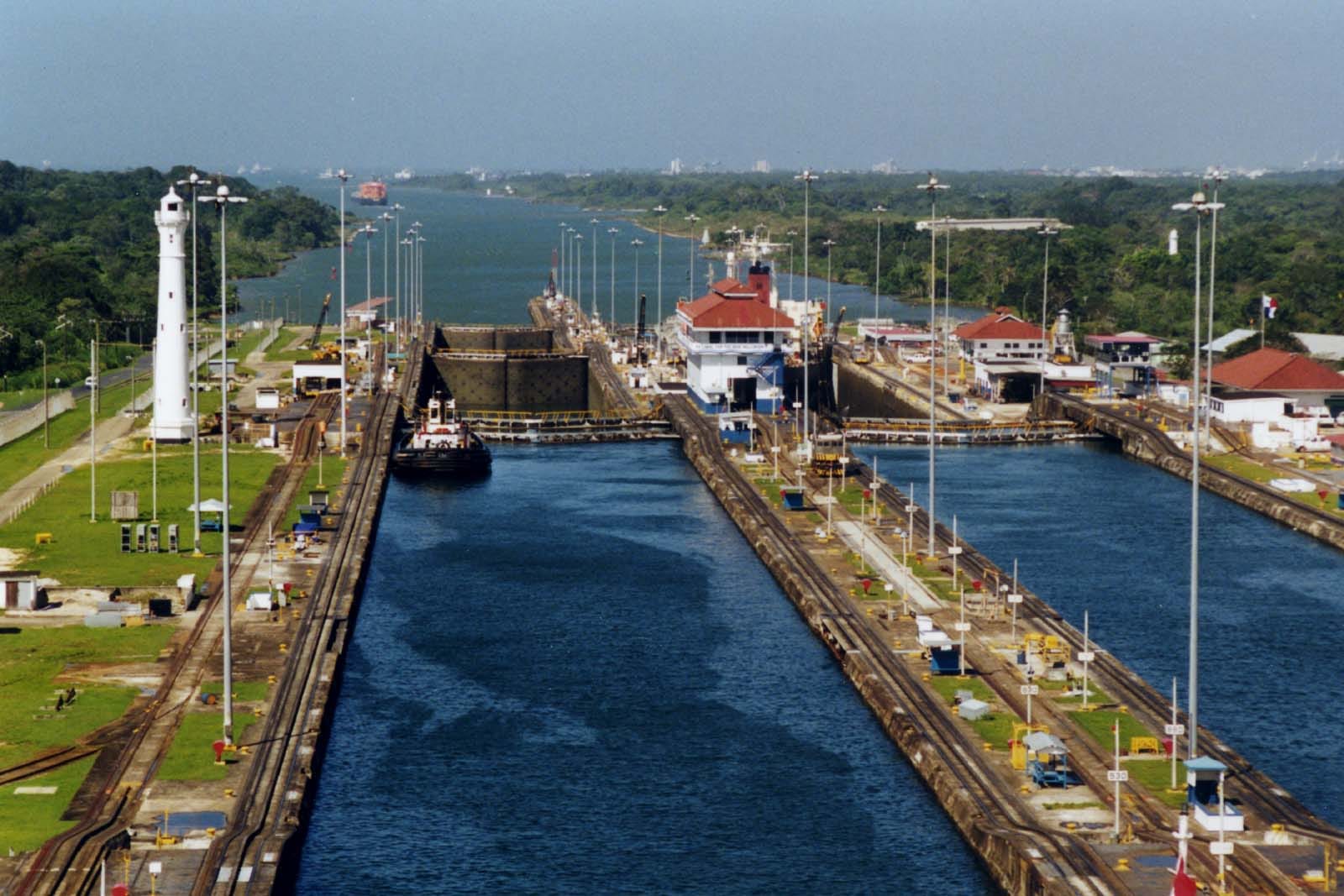
For Panama, the canal is not just an economic asset—it’s a symbol of national sovereignty. Control of the canal was handed over by the U.S. in 1999, and since then, Panama has transformed it into one of the most efficiently run infrastructure projects in the world. However, Trump’s recent claims about “taking back” the canal have raised alarm bells, prompting Panamanian President José Raúl Mulino to take the issue to the United Nations. Panama has also attempted to fact-check Trump’s accusations that China has a military presence in the canal, emphasizing that transit fees remain uniform and legally mandated. Despite these efforts, the Trump administration appears unfazed.
Claver-Carone dismissed Panama’s concerns outright, reportedly saying, “I don’t care what the secretary-general of OAS says, I don’t care what some columnist says. … Do you think that we give a shit?”
Beyond politics, economic and strategic factors are shaping Washington’s concerns. China’s growing influence in Latin America—through trade deals, infrastructure investments, and port acquisitions—has heightened U.S. fears of Beijing gaining a foothold in the region. While Panamanian leaders insist their dealings with China do not undermine U.S. interests, Trump’s allies argue otherwise. Meanwhile, Panama is weighing its options, with Balladares hinting that if tensions escalate, his country could retaliate by easing restrictions on migrants moving through the Darién Gap—creating a political nightmare for Washington. As history has shown, U.S.-Panama disputes over the canal rarely end quietly. Whether Rubio’s visit will de-escalate tensions or harden positions remains to be seen, but one thing is clear: both nations are walking a dangerous tightrope.
Source: MDGN