


How Ratings Agencies and Derivatives Turned a Mortgage Problem into a Financial Inferno
In Part 1, we covered the spark:
A collapse in confidence about what mortgage-related assets were actually worth. You can read about that here:

Today’s Economic Primer is about what poured fuel on that spark.
Two things mattered most:
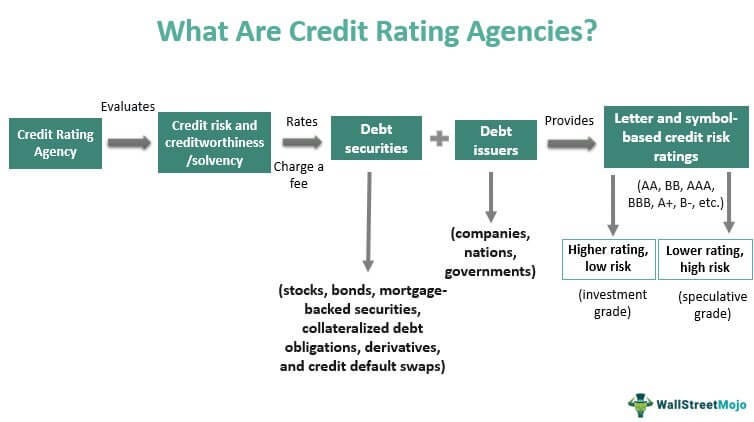
Credit rating agencies gave risky assets a false sense of safety
A derivatives market multiplied exposure far beyond the actual mortgages
Neither caused the initial loss of confidence. But together, they made sure that once confidence cracked, the damage spread everywhere—like a PG&E negligence-fueled wild fire.
Let’s break it down.
One: Ratings Weren’t Opinions—They Were Permissions
Most people think of bond ratings as advice. They weren’t.
In the years leading up to 2008, credit ratings functioned as permission slips. If something was rated:
“AAA”
“Investment Grade”
Then:
Pension funds were allowed to buy it
Banks could hold it with little capital
Regulators treated it as safe
Risk managers stopped asking questions
In short:
Ratings didn’t just describe risk—they defined what institutions were allowed to own.
That made rating agencies systemically important.
Two: The Models Behind the Ratings Were Fragile
So what went wrong? The ratings on mortgage securities relied on models that assumed:
Housing markets in different regions wouldn’t fall together
Mortgage defaults would be scattered, not correlated
Pooling loans reduced risk no matter what
Past data from good years applied to bad ones
Those assumptions weren’t crazy. They were just too confident. When housing prices began falling nationally, those models didn’t bend.
They broke.
Three: “AAA” Turned Out to Mean “Model-Dependent”
Here’s the key problem. Mortgage-backed securities didn’t suddenly stop paying interest. What changed was belief.
Once investors realized:
The models might be wrong
Correlations might spike
Losses could cluster
Then “AAA” stopped meaning “safe” and started meaning:
“Safe as long as the math works.”
And once that doubt set in, ratings collapsed fast. Not slowly. Not gradually. All at once.
That triggered forced selling by institutions that were no longer allowed to hold downgraded assets.
Four: Derivatives Didn’t Spread Risk—They Replicated It
Now let’s talk derivatives. The most important one was the credit default swap (CDS).
In theory:
CDS were insurance against default
They were supposed to reduce risk
In practice:
Anyone could buy CDS without owning the bond
The same mortgage risk could be insured many times
No new capital was created to back those promises
This meant:
Mortgage risk didn’t move—it multiplied.
One mortgage pool could generate:
Direct losses
Synthetic losses
Counterparty exposure
Margin calls across the system
Five: Derivatives Created Invisible Chains
Derivatives did something else that turned out to be fatal. They linked institutions together invisibly. Banks didn’t just face mortgage risk. They faced:
Counterparty risk
Collateral risk
Liquidity risk
No one knew:
Who owed whom
Who could pay
Who would fail next
So when confidence cracked:
Everyone pulled back
Funding froze
Trust vanished system-wide
This is how firms that never wrote a mortgage still ended up in danger.
Six: When Valuation Broke, Everything Else Followed
Here’s the crucial ordering—and this is where Part 1 and Part 2 connect.
Mortgage values became uncertain
Ratings lost credibility
Downgrades triggered forced selling
Derivatives magnified losses
Margin calls exploded
Counterparty trust vanished
None of this required fraud (though there was a lot of it). None of this required mass defaults (again, there was a lot of this, too).
It only required disagreement about value. Once prices were no longer trusted, the entire structure built on those prices collapsed.
The Big Idea (Still No Econ Degree Required)
Here’s the clean takeaway from Part 2:
Ratings told the system what was “safe”
The models behind them were brittle
When confidence broke, ratings failed suddenly
Derivatives multiplied exposure without adding capital
Losses spread faster than anyone could track
Ratings and derivatives didn’t start the fire. They made sure it couldn’t be contained.
Why This Matters (Before We Get to Part 3)
Any time you see:
Complex assets rated as “safe”
Heavy reliance on models
Risk being “insured” without new capital
Exposure that’s hard to see or trace
You’re looking at the same basic structure. Different assets. Same dynamics.
Coming Next: Part 3
Why this crisis logic didn’t end in 2008—and where it shows up today.
That’s where we tie this all together.
Stay tuned.